
 Women Leaders Academy2025 Report
 Women Leaders Academy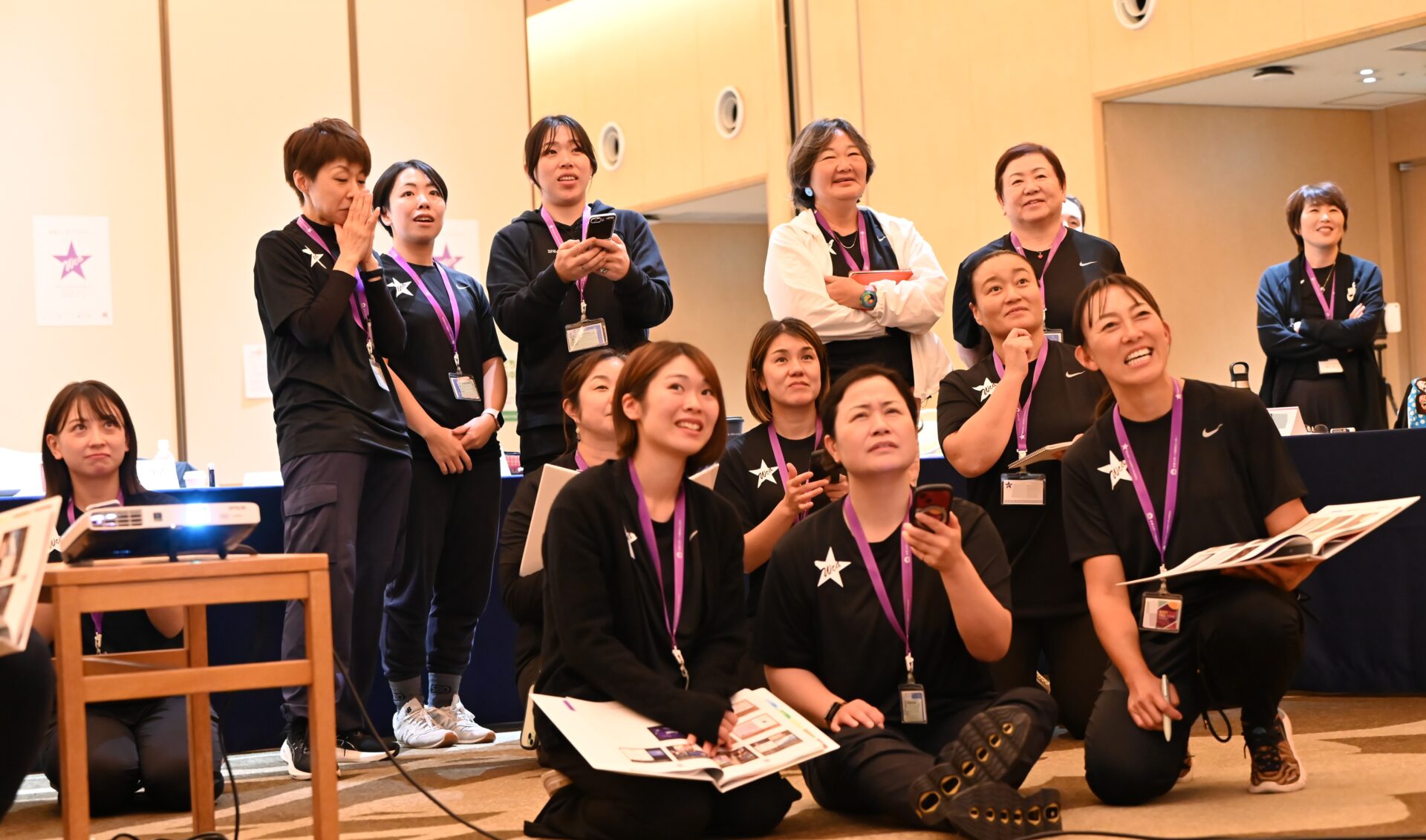
Program
Date : October 7-9, 2025
-
Day1
-
01Opening (Introduction)
-
02Women in Sport
Dr. Etsuko Ogasawara, Executive Director, Japanese Center for Research on Women in Sport (JCRWS)
-
03Conditioning for Female Athletes
Dr. Natsue Koikawa, Deputy Director, Japanese Center for Research on Women in Sport (JCRWS)
-
04Sports Nutrition
Dr. Shihoko Suzuki, Professor, Department of Nutrition, Faculty of Health and Welfare, Kanagawa University of Human Services
-
05Creating Body Confident Sport
Dr. Nicole LaVoi, Co-Director, Tucker Center for Research on Girls & Women in Sport, University of Minnesota
-
-
Day2
-
06The Professional Coach and Woman Leader in Sport
Ms. Marlene Bjornsrud, Former Executive Director, Alliance of Women Coaches (WeCOACH)
-
07Motivation Strategy for Leaders
Dr. Nicole LaVoi, Co-Director, Tucker Center for Research on Girls & Women in Sport, University of Minnesota
-
08Mental training for thinking and emotions
Dr. Miyako Tanaka-Oulevey, Certified Mental Training Advanced Consultant, Japanese Society of Sport Psychology, Project Associate Professor, Keio University
-
09CoachDISC Program
Ms. Elizabeth Masen, CEO, Athlete Assessments
Dr. Maki Itoh, Associate Professor, Sport Management Department of Sports and Health Studies, Hosei University -
10CoachDISC Case Study
Ms. Maki Moriya, President, Laurelgate Co., Ltd.
-
11The Significance of Diversity and Inclusion and How to Promote Them
Dr. Kanae Haneishi, Professor, Western Colorado University
-
12Sport and Gender
Dr. Rieko Yamaguchi, Associate Professor, Faculty of Business Administration, Josai University
-
-
Day3
-
13Leadership & Collaboration
Ms. Lisa O’Keefe, IWG Secretary General (2022-2026)
-
14Navigating the Future
for Women Sports LeadersPanelists:
Dr. Nicole LaVoi
Ms. Elizabeth Masen
Ms. Lisa O'Keefe
Dr. Kanae Haneishi, Ms. Miyuki Kobayashi
Dr. Rieko Yamaguchi, Dr. Maki Itoh
Ms. Maki Moriya, Dr. Natsue Koikawa
Coordinator:
Dr. Etsuko Ogasawara -
15Networking
Ms. Miyuki Kobayashi, President, Japan University Women Football Association
-
16 Closing Ceremony
-

Venue:Karuizawa Prince Hotel West
Address:Karuizawa, Karuizawa-machi, Kitasaku-gun, Nagano, 389-0193 Japan
OrganizerJapanese Center for Research on Women in Sport (JCRWS)
Co-OrganizerJapanese Association for Women in Sport (JWS) , WeCOACH
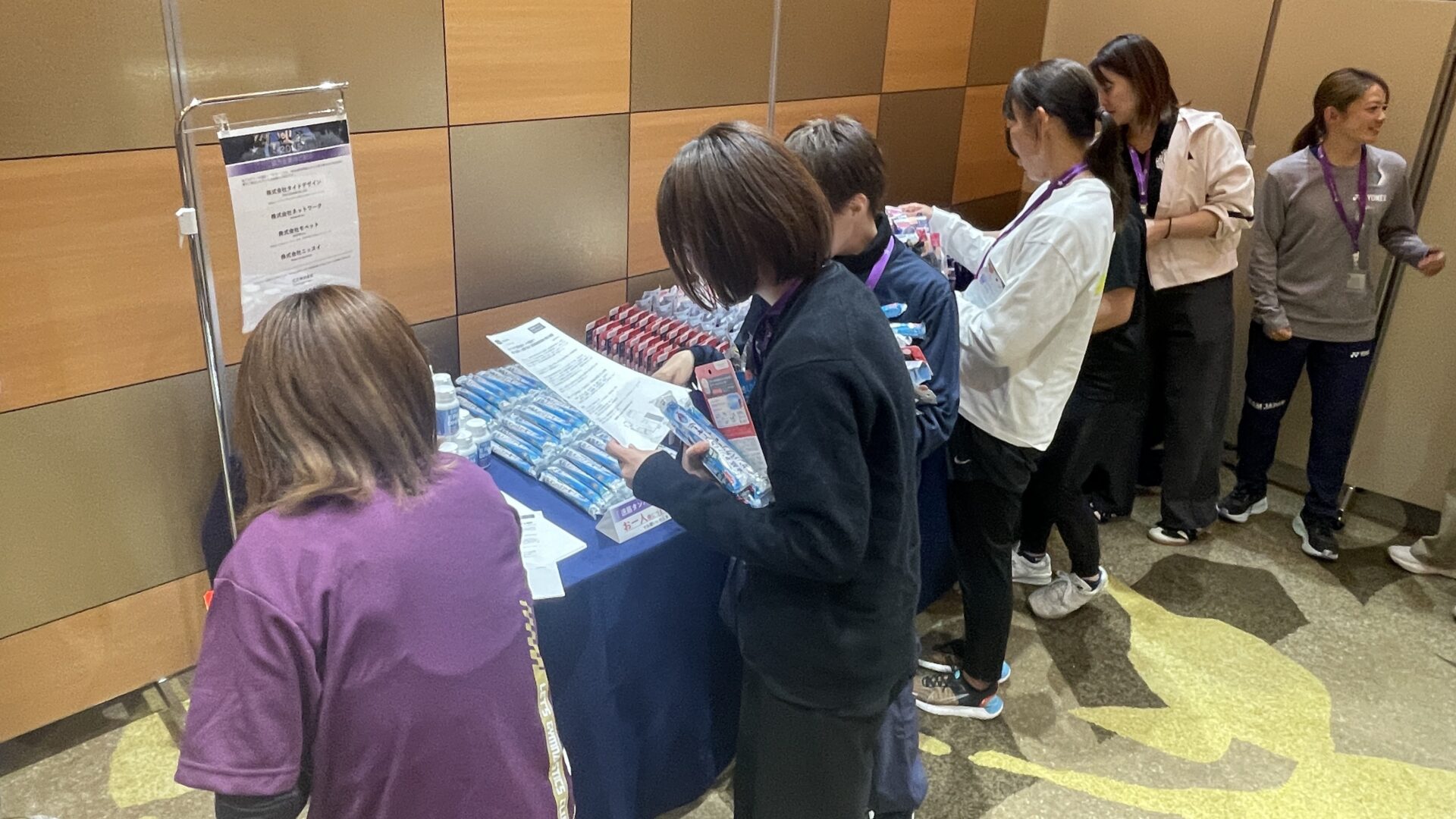
Supporting CompanyTIDE DESIGN CO.,LTD.
MOPED Inc.
Nissui Corporation
Kao Corporation
Unicharm Corporation
01Opening (Introduction)
FacilitatorsDr. Etsuko Ogasawara, Executive Director, JCRWS
Dr. Natsue Koikawa, Deputy Director, JCRWS
Ms. Akiko Sekiguchi, staff, JCRWS
“Women Leaders Academy 2025” starts a new learning in early autumn in Karuizawa!
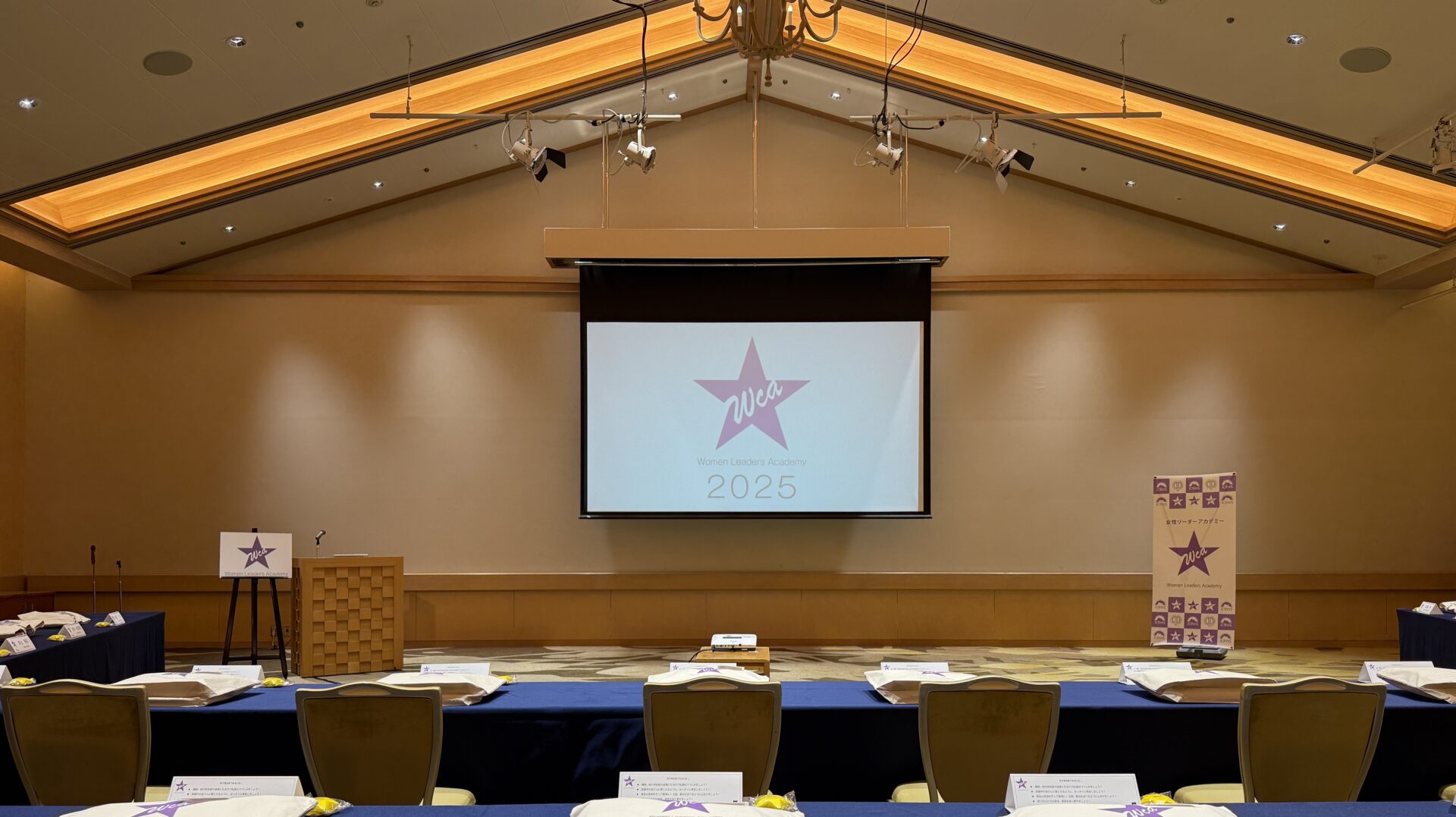
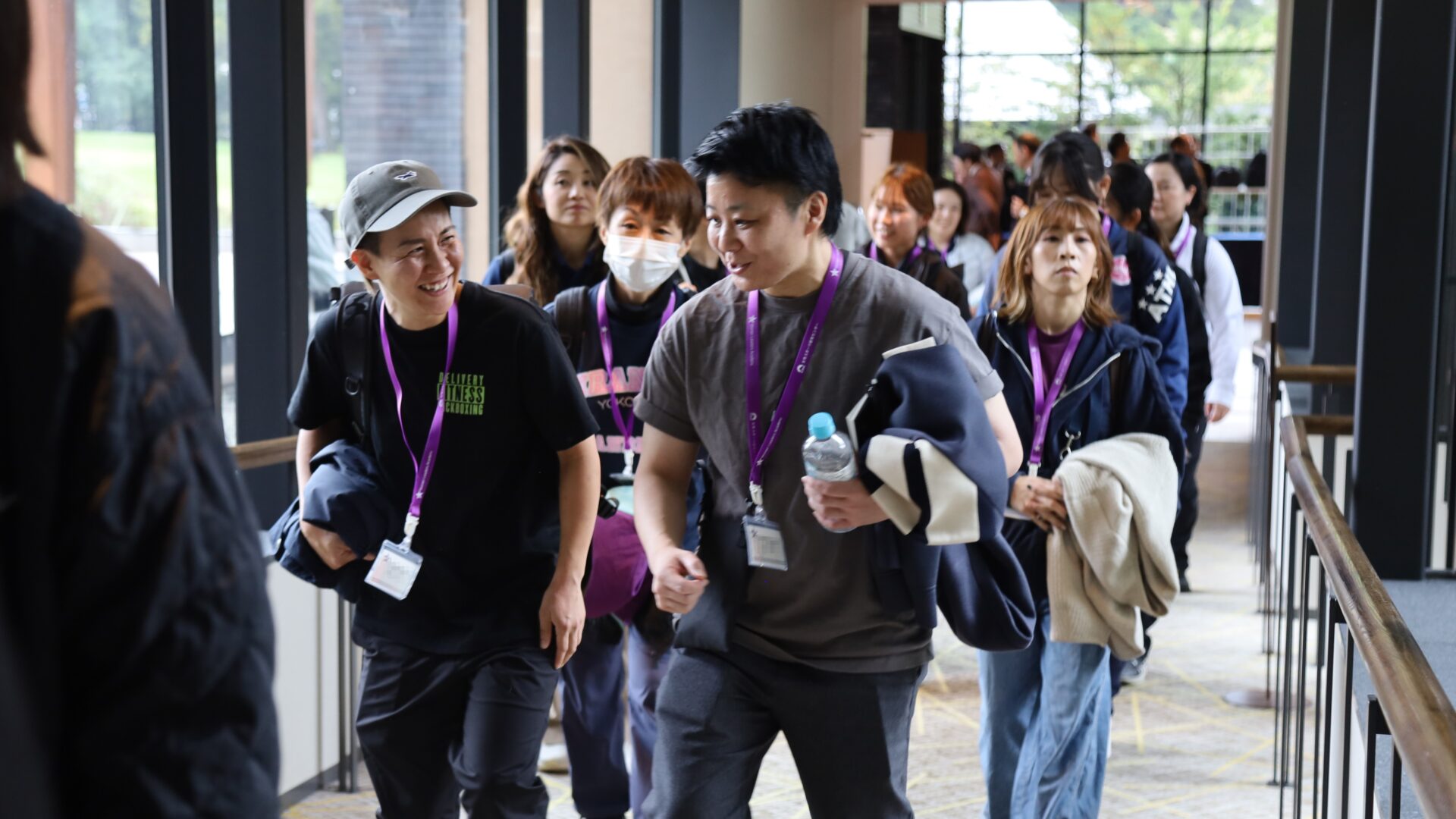
The 11th Women Leaders Academy (WCA) opened in Karuizawa, where the refreshing breeze of early autumn set the stage for a new learning journey.
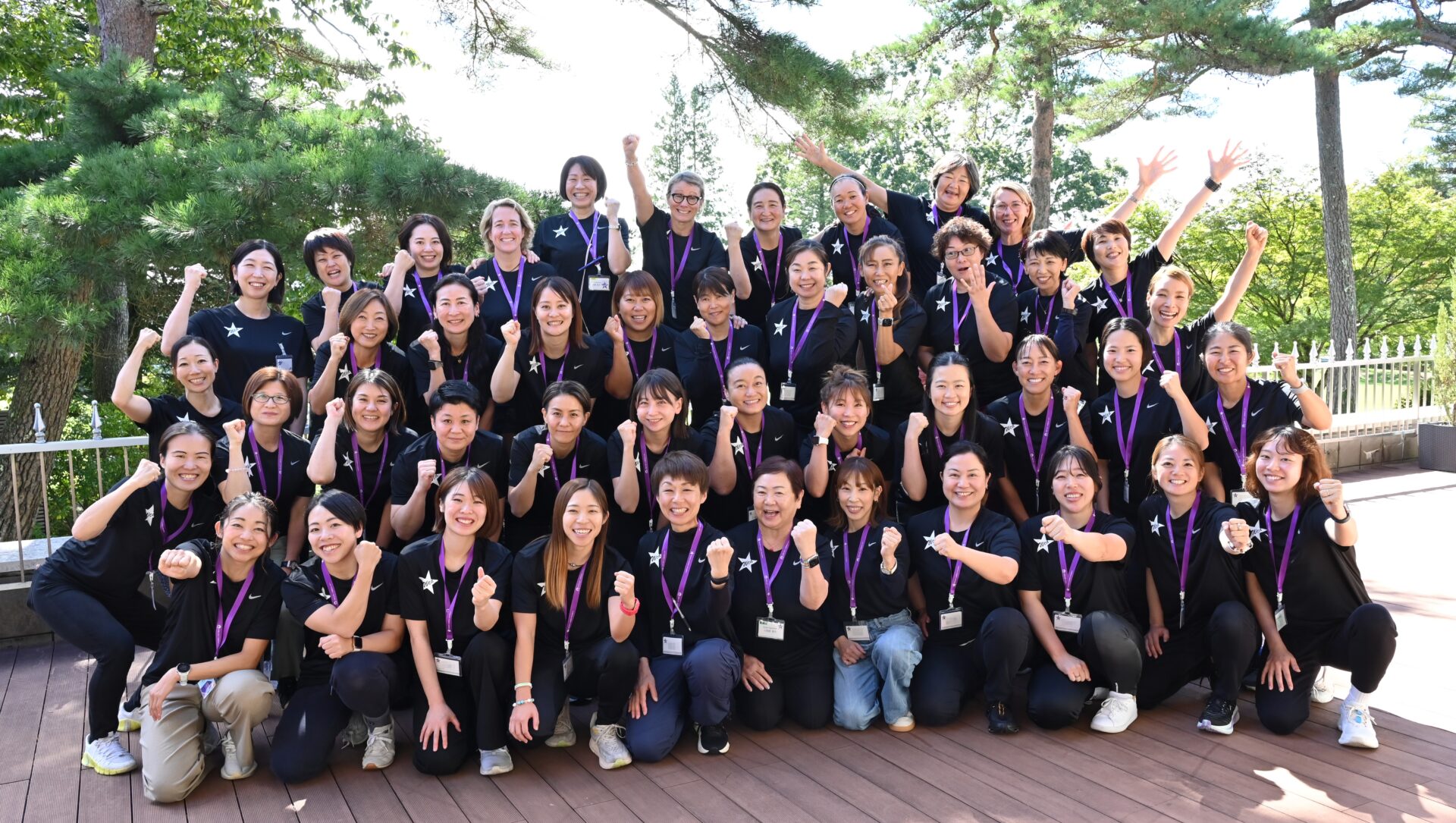
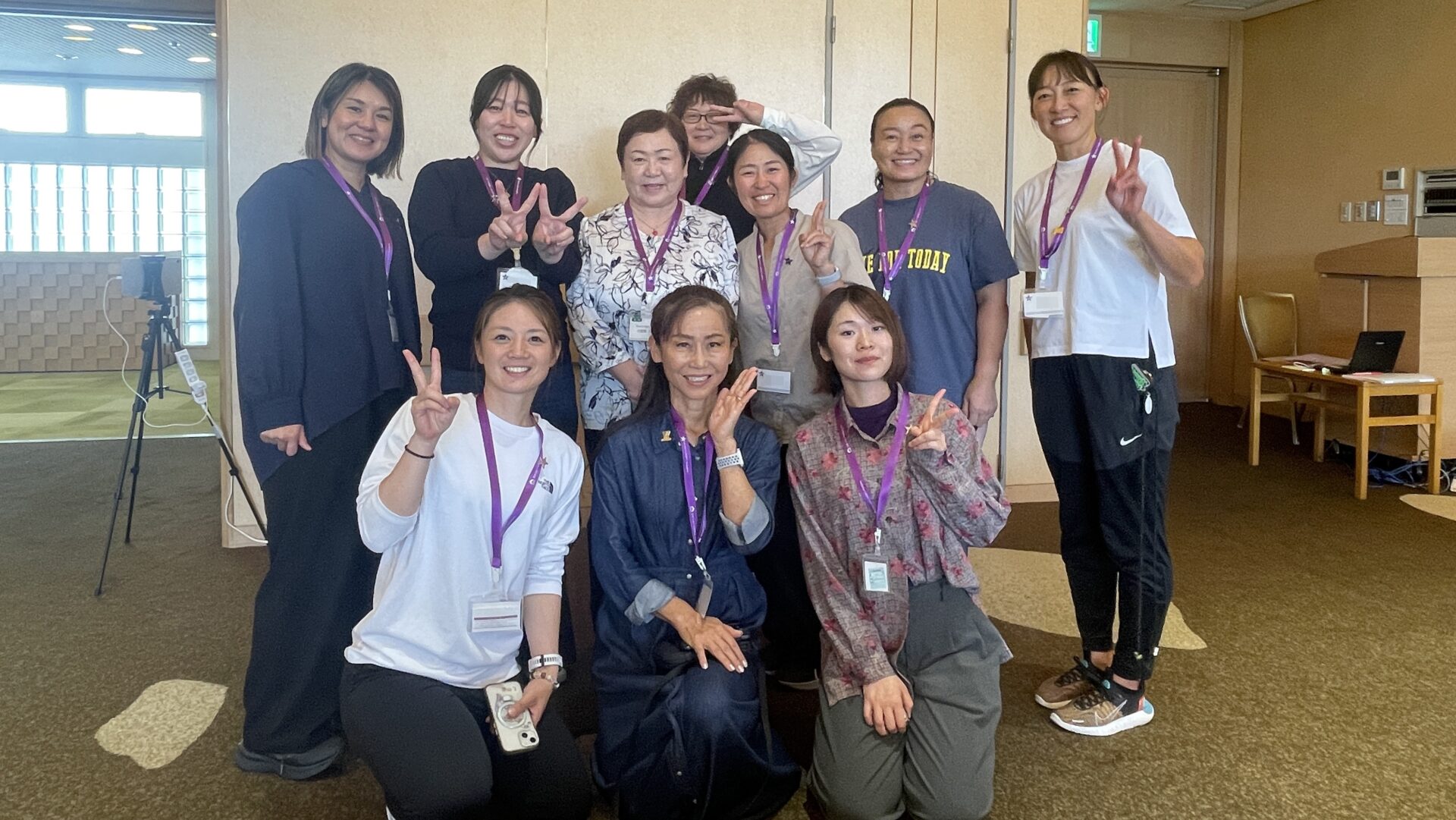
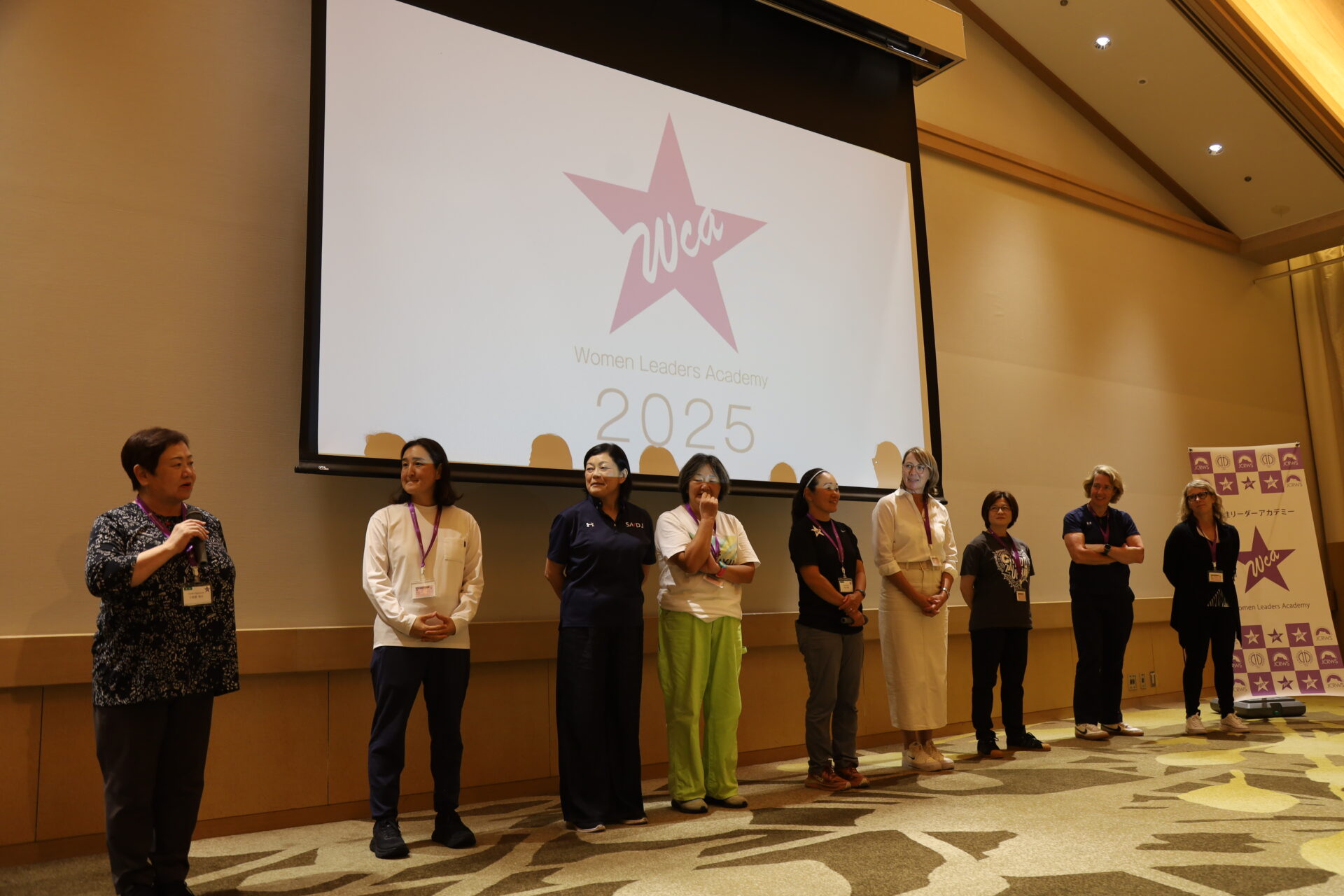
Thirty women leaders from across Japan—ranging from Olympians and para-sport professionals to community-based coaches—came together, representing a wide variety of backgrounds. This year also welcomed the first participant from the Deaf sports community, making the lively opening a true embodiment of diversity.
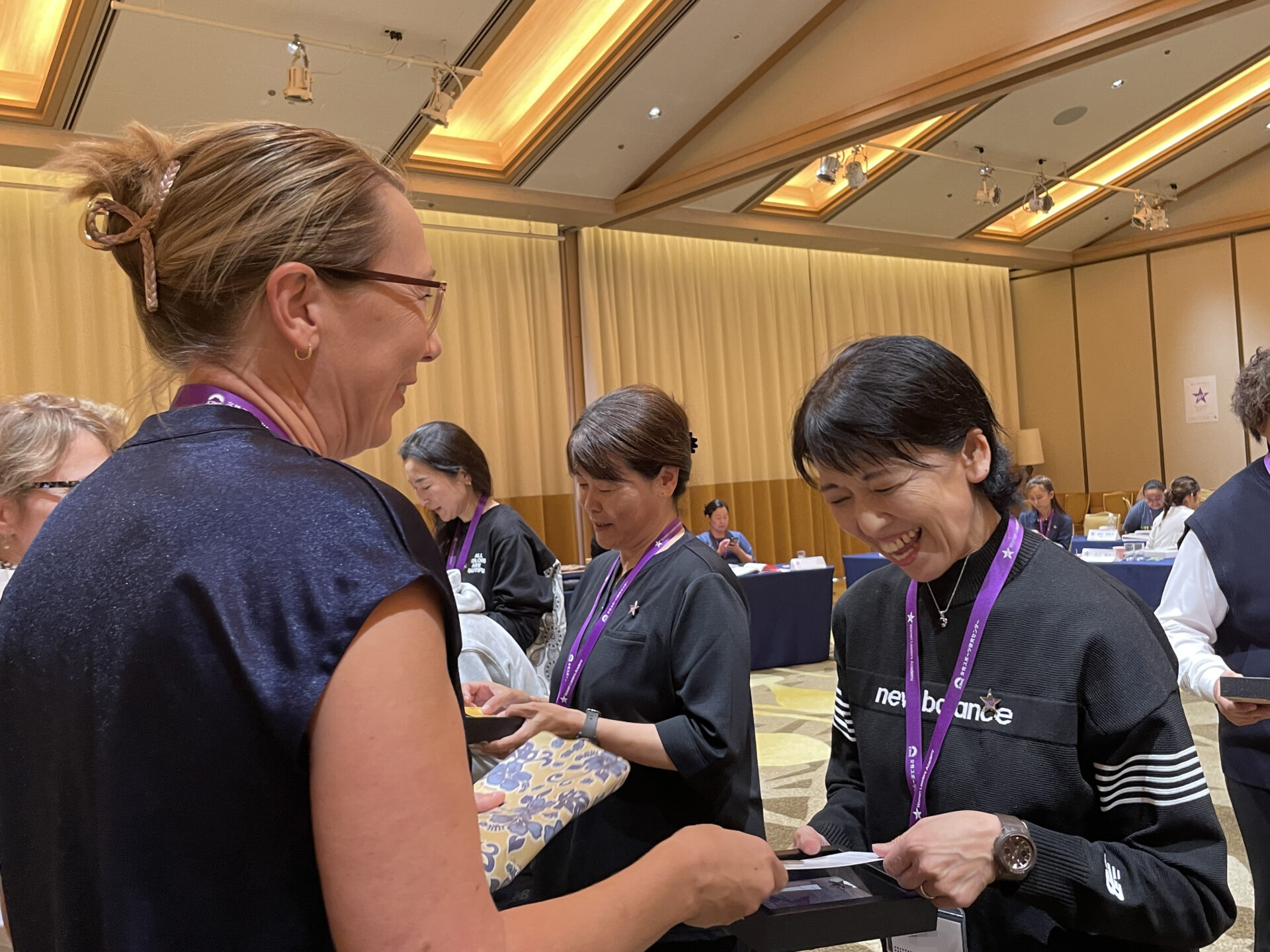
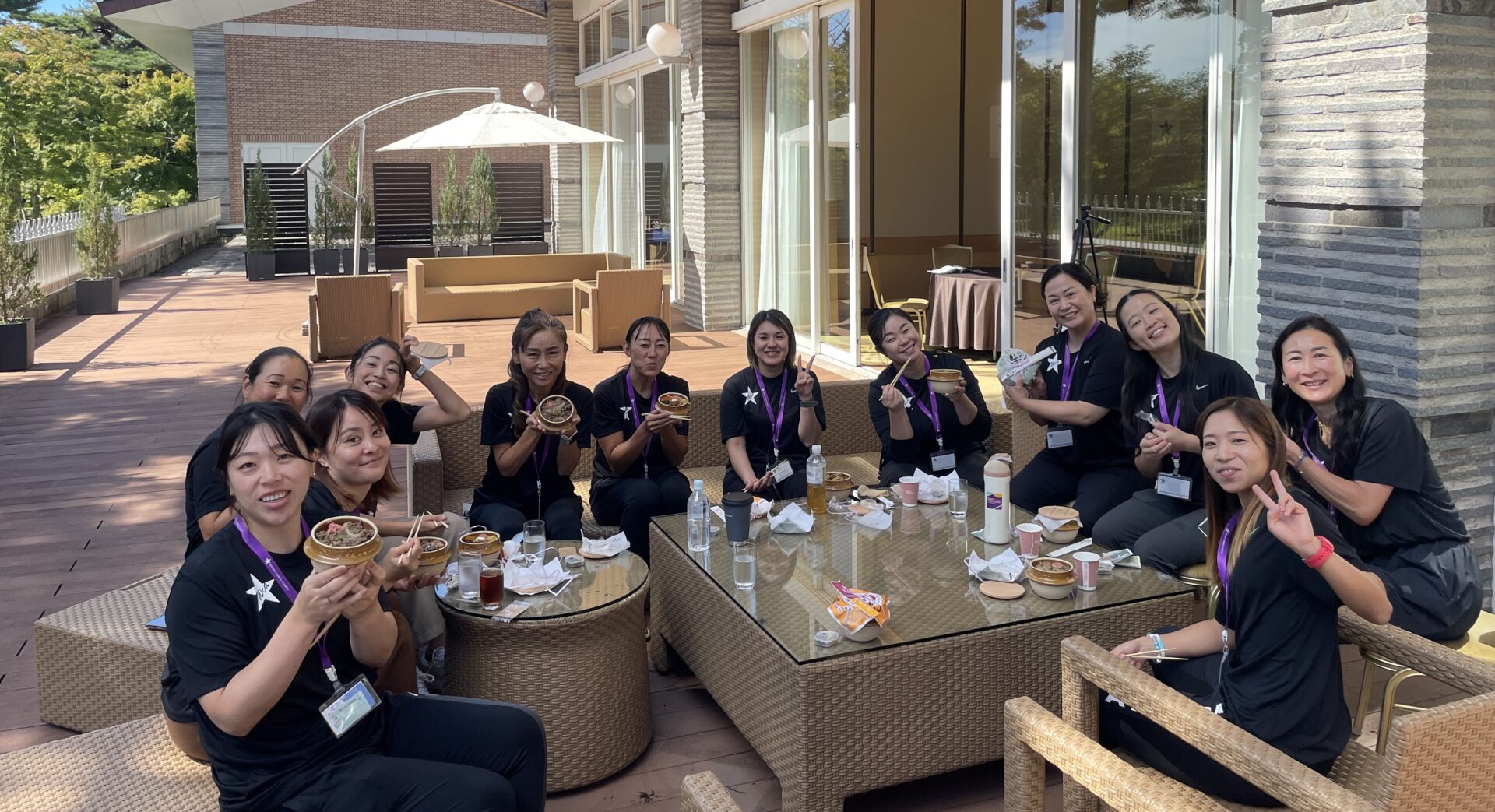
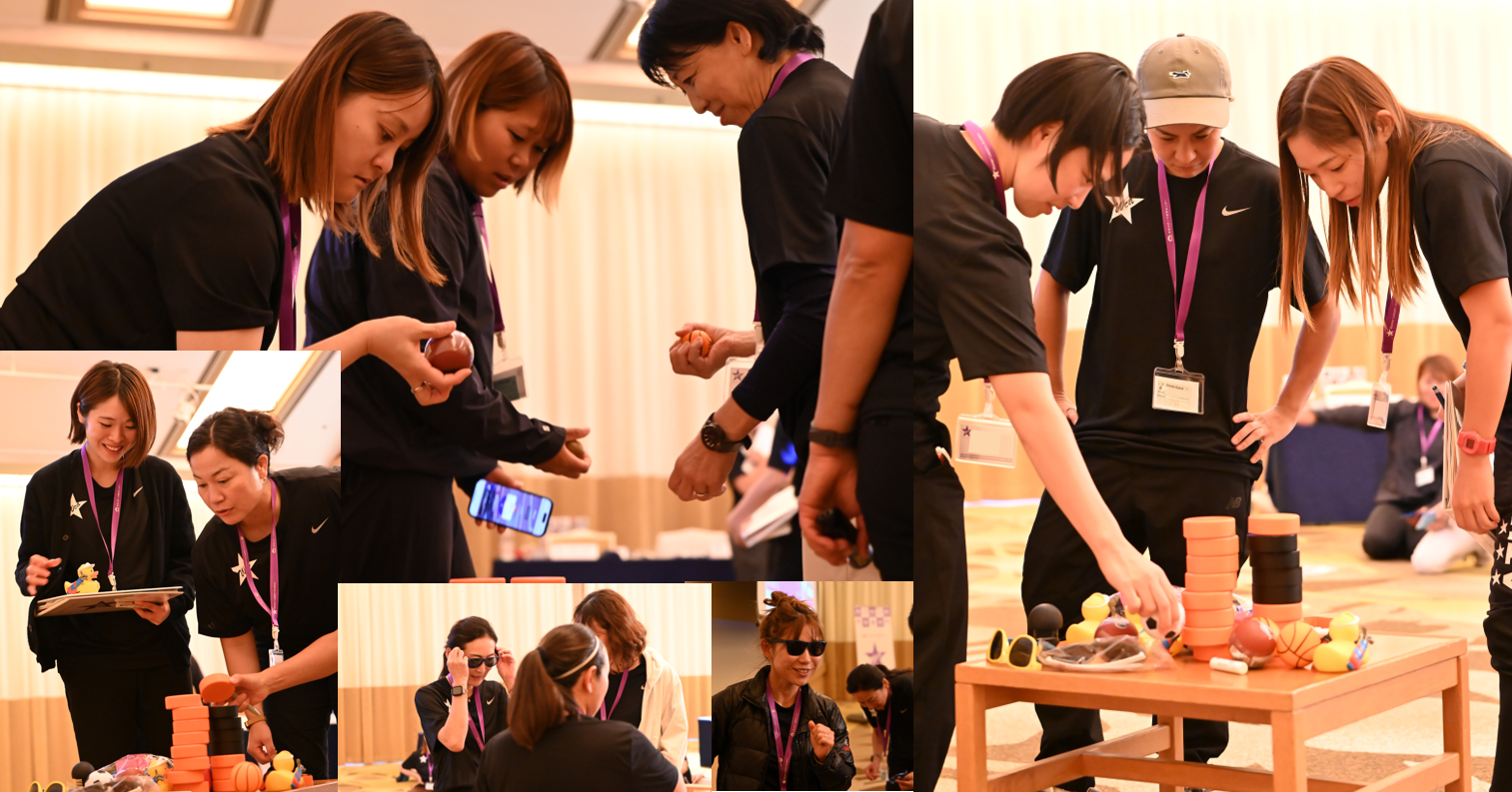
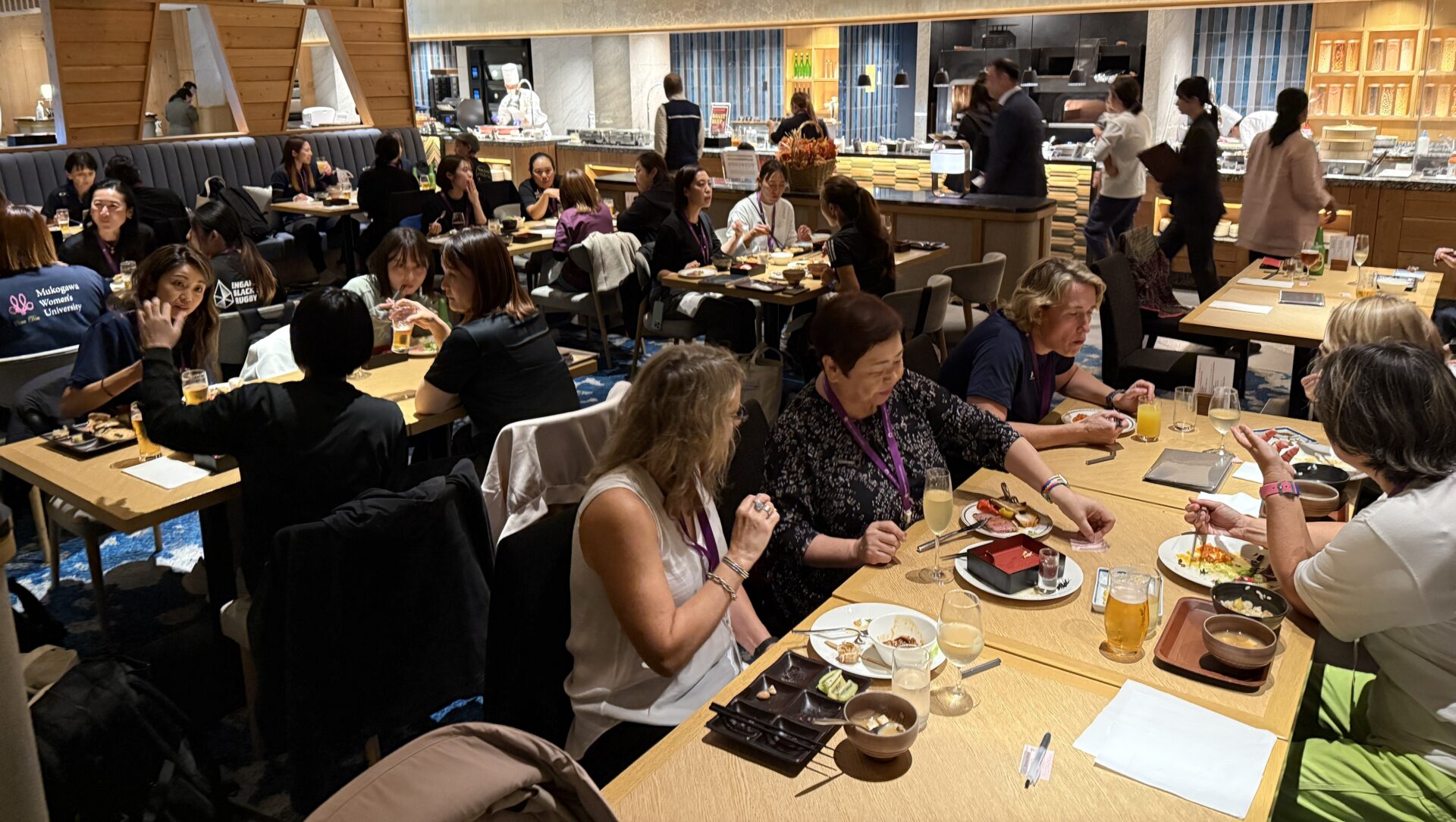
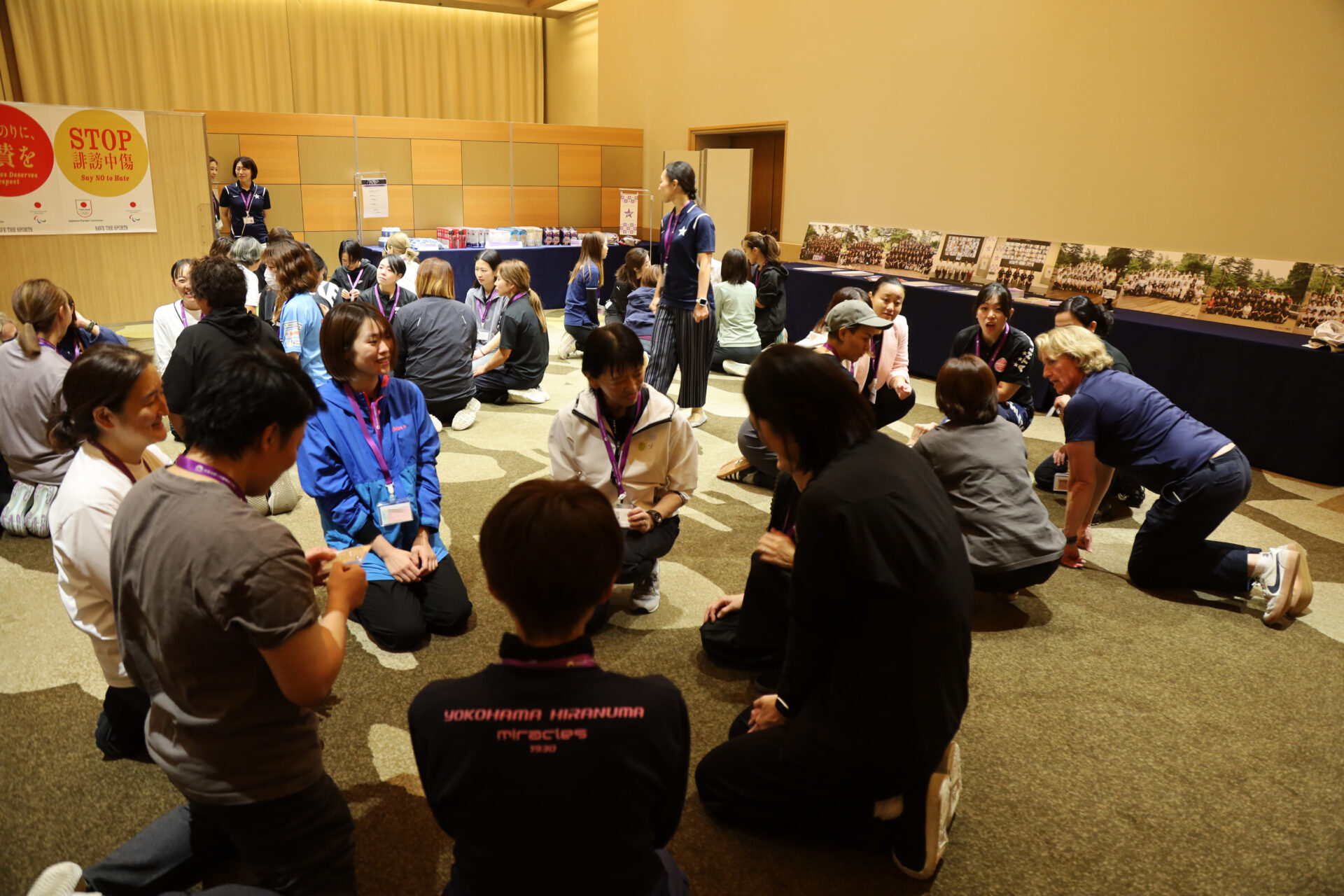
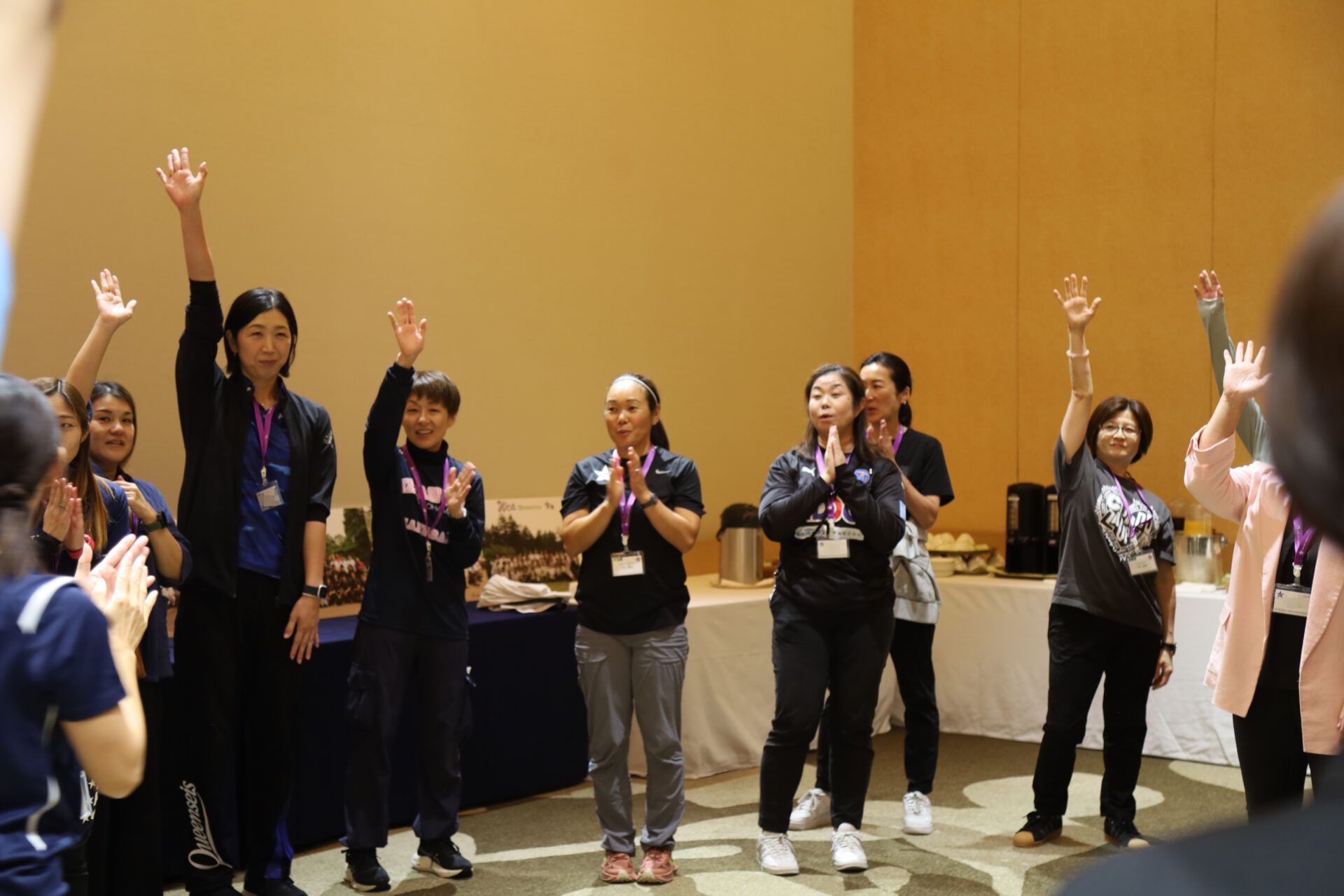
The program began with the traditional icebreaker. As participants relaxed and exchanged smiles, warm interactions naturally began to emerge.
In the self-introduction session that followed, participants listened attentively to one another as they shared humorous and creative self-presentations. The venue was filled with a consistently warm and welcoming atmosphere as the group embarked on three days of shared learning together.
With a shared sense of motivation and anticipation, each participant stepped into the program ready for new growth and discovery.
02Women in Sport
LecturerDr. Etsuko Ogasawara, Executive Director,
Japanese Center for Research on Women in Sport (JCRWS)
The future of sport illustrated by diverse leaders
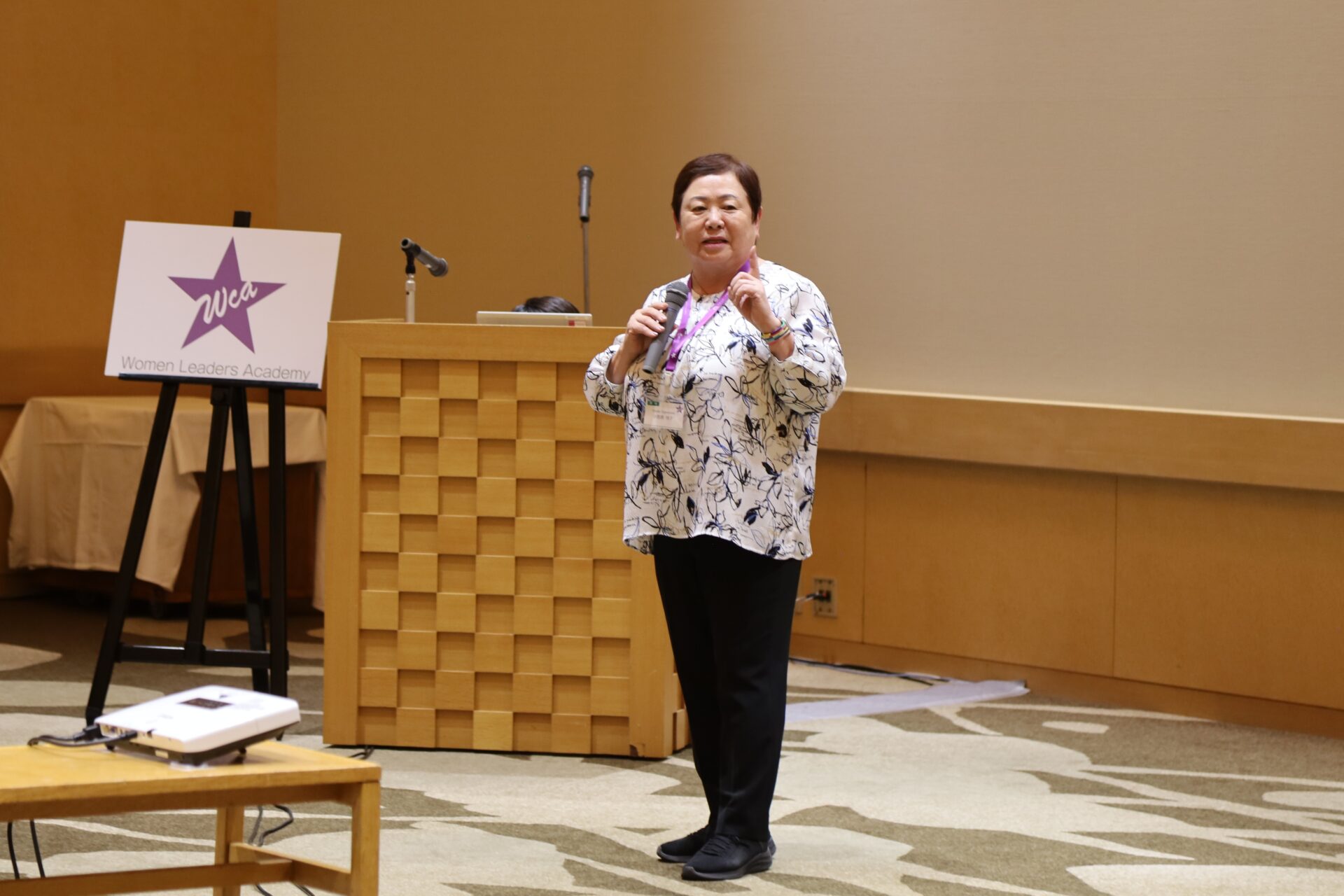
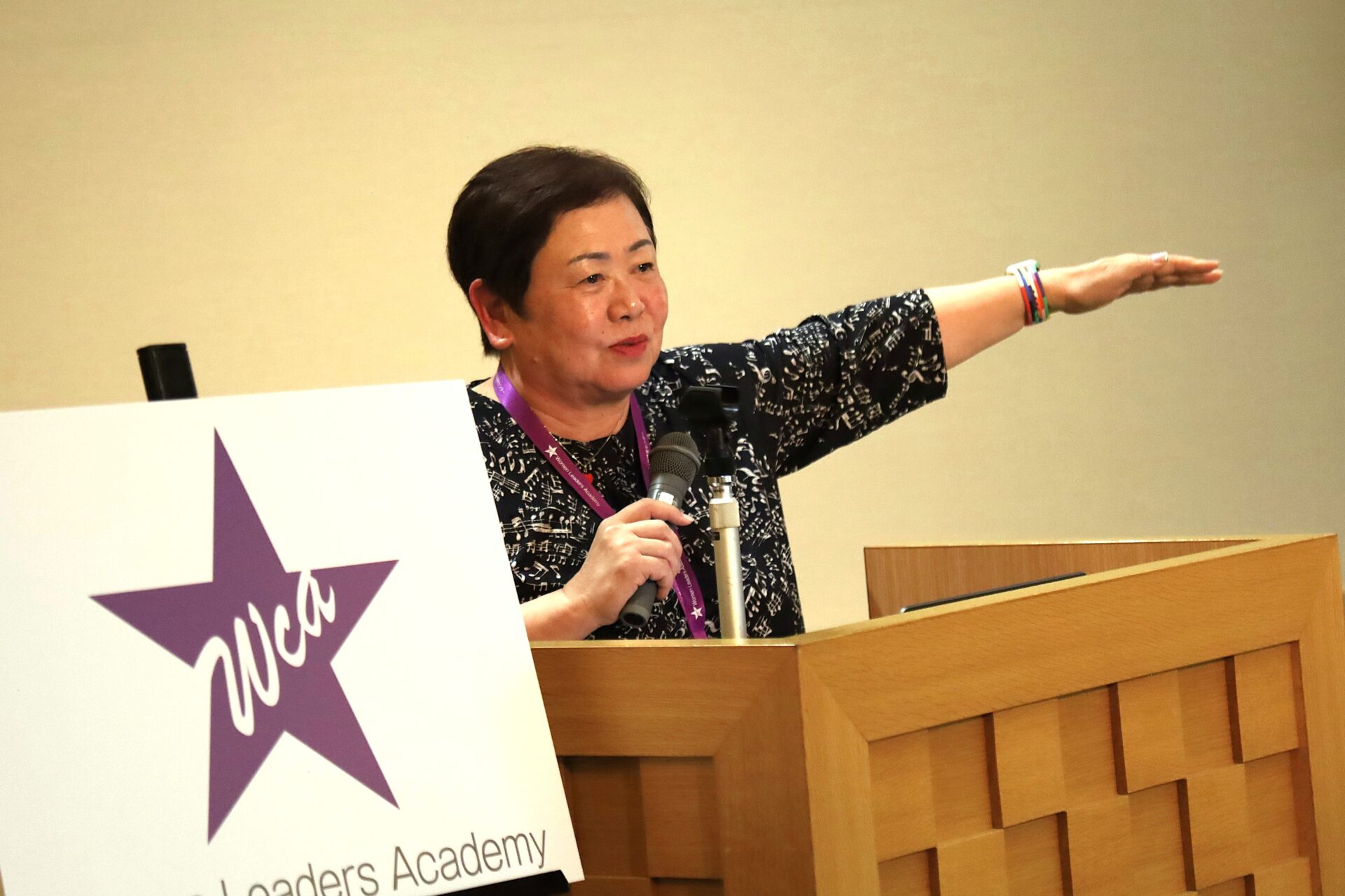
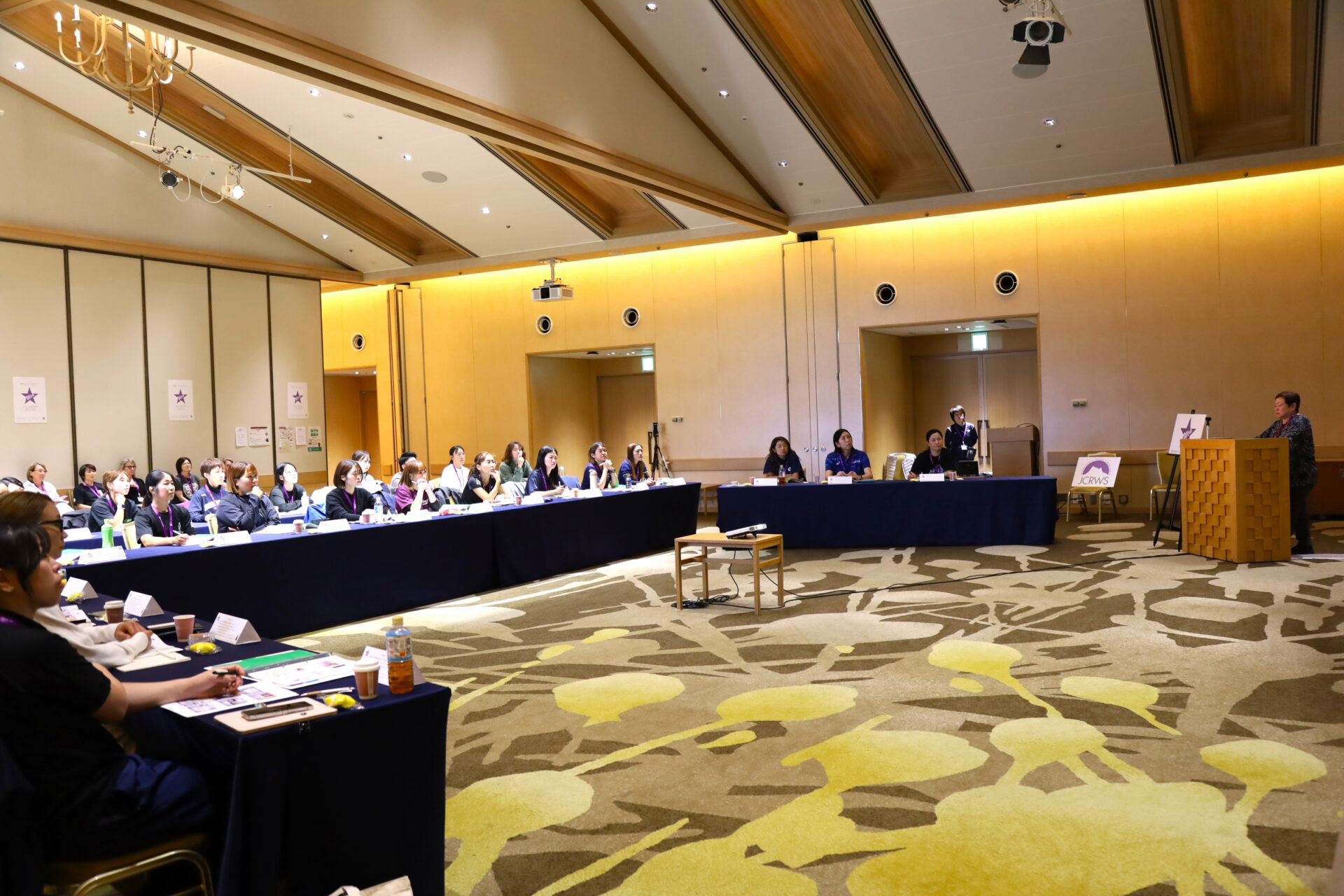
The first lecture, delivered by Dr. Etsuko Ogasawara, Executive Director of the Center for Research on Women in Sport, introduced the global movements shaping the advancement of women in sport. Referring to international developments—such as the activities of the International Working Group (IWG) on Women and Sport and the significance of the Brighton Declaration—she clearly explained global trends, along with related efforts in Japan.
At the Paris 2024 Olympic Games, a nearly 50 percent gender balance was achieved for the first time in Olympic history. While this represented a major step toward gender equality, the International Olympic Committee (IOC) has also drawn attention to the fact that women still account for only about 13 percent of coaches worldwide. Dr. Ogasawara emphasized that while increasing the number of women leaders is important, the quality of leadership is even more critical, underscoring the need to strengthen both quantity and quality.
As Professor Kaori Yamaguchi—who usually delivers the annual “Women in Sport II” session—was unable to attend this year, Dr. Ogasawara shared key messages that Professor Yamaguchi has conveyed in previous WCA programs. Through these messages, participants were encouraged to carry forward the aspirations of those who paved the way and to take action for the benefit of the next generation.
03Conditioning for Female Athletes
LecturerDr. Natsue Koikawa, Deputy Director,
Japanese Center for Research on Women in Sport (JCRWS)
Don’t miss the warning signs
A new perspective on protecting the health of female athletes
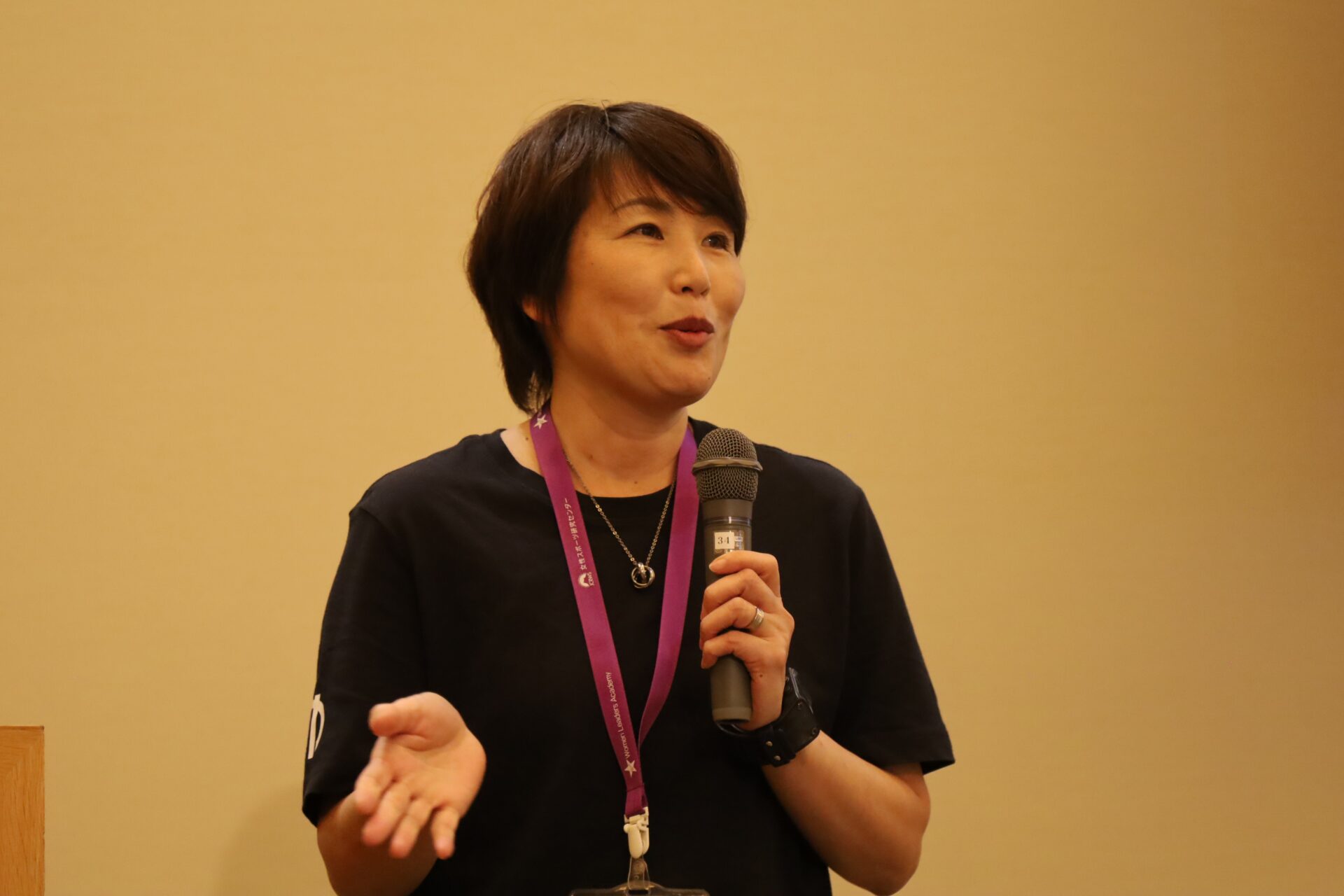
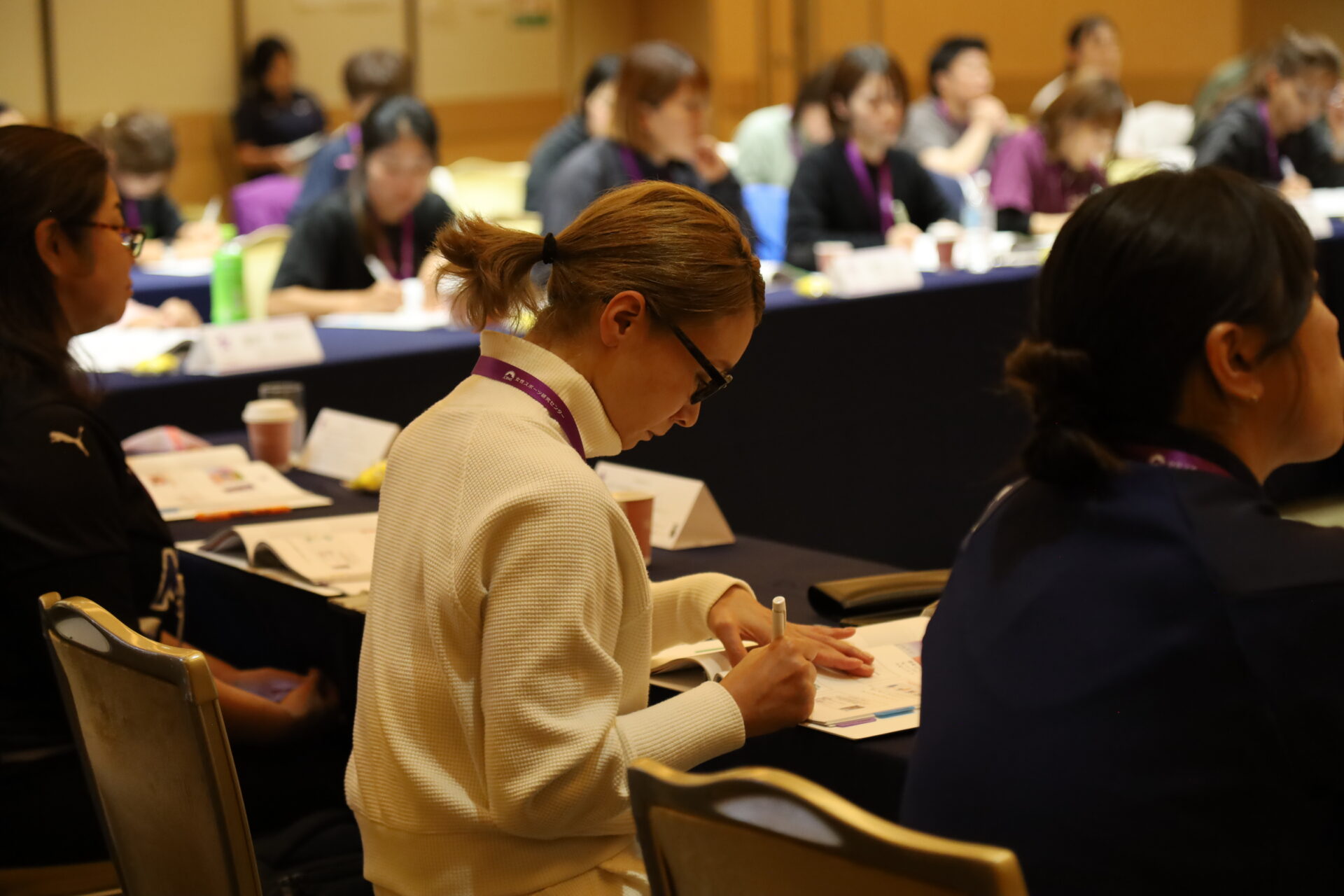
In this lecture, Deputy Director Dr. Koikawa explained that conditioning is “not only about athletes preparing themselves, but also about those who support them sharing the same mindset and readiness.” She then discussed the Female Athlete Triad (FAT)—a condition to which female athletes are particularly prone—as well as the more recently recognized Male Athlete Triad (MAT). Using concrete examples, she outlined how low energy availability affects both physical and mental health, emphasizing the importance of menstruation, bone mineral density, and sleep.
Toward the end of the session, she highlighted the importance of creating an environment in which female athletes feel safe to speak openly. She concluded by stressing the value of noticing early signs of physical or mental distress through everyday conversations and maintaining a supportive approach in collaboration with medical and other specialists.
04Sports Nutrition
LecturerDr. Shihoko Suzuki, Professor,
Department of Nutrition, Faculty of Health and Welfare,
Kanagawa University of Human Services
From “Management” to “Strategy”
Sports Nutrition That Supports Performance
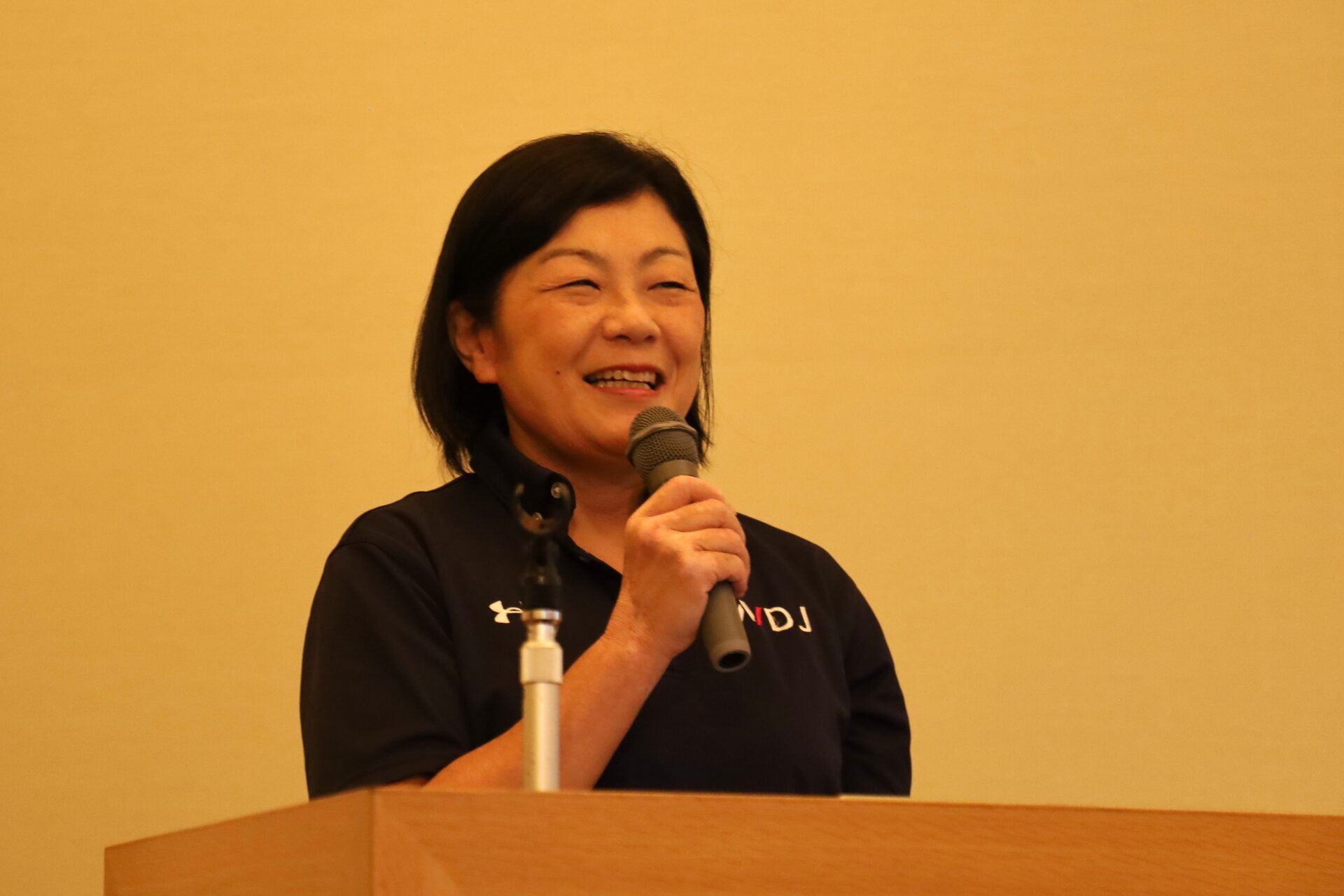
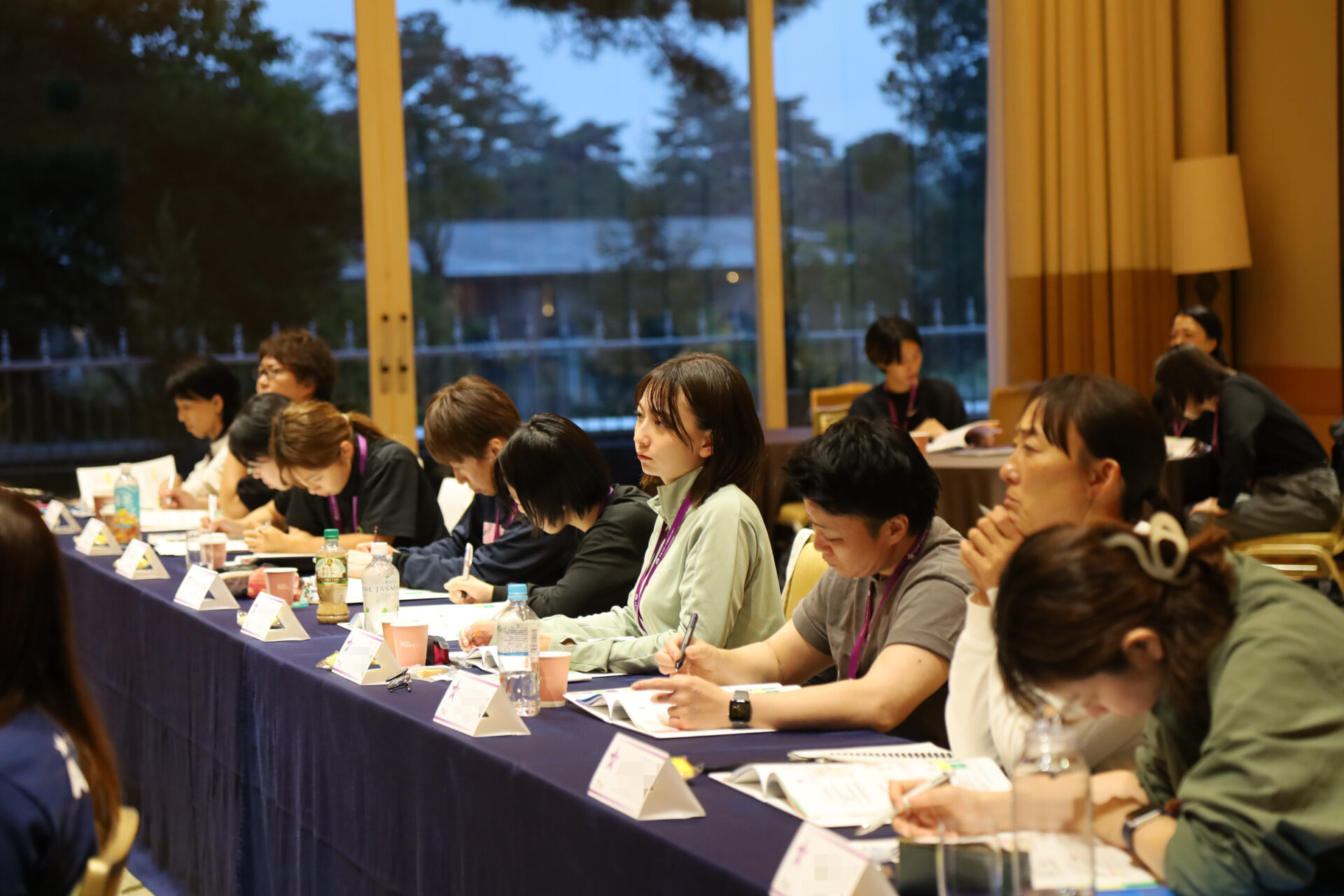
In this lecture, Dr. Shihoko Suzuki provided a comprehensive explanation of the fundamental concepts of sports nutrition, grounded in scientific evidence and informed by practical application. She emphasized that nutrition is not merely “diet management,” but a holistic discipline based on understanding nutrient metabolism and its impact on performance. She highlighted the importance of energy management tailored to activity levels, nutrition strategies to enhance competitive performance, and personalized guidance that considers each athlete’s age, sport characteristics, and physical condition.
Regarding the use of supplements, she stated that athletes must first understand their dietary intake, then make evidence-based choices, ensuring that products are certified for anti-doping compliance.
For junior athletes, she stressed the importance of regularly monitoring growth curves to understand developmental status and prevent issues such as anemia, stress fractures, and growth impairment caused by insufficient energy intake. She also addressed the health impacts of REDs (Relative Energy Deficiency in Sport), emphasizing the importance of collaboration among coaches, athletes, nutrition professionals, and medical staff to position meals not merely as “health management” but as a strategic approach that supports athletic performance.
05Creating Body Confident Sport
LecturerDr. Nicole LaVoi, Co-Director,
Tucker Center for Research on Girls & Women in Sport, University of Minnesota
InterpreterMs. Miyuki Kobayashi, President,
Japan University Women Football Association
Making Sport a “Safe Space”
From the practical lesson of Body Confident Sport
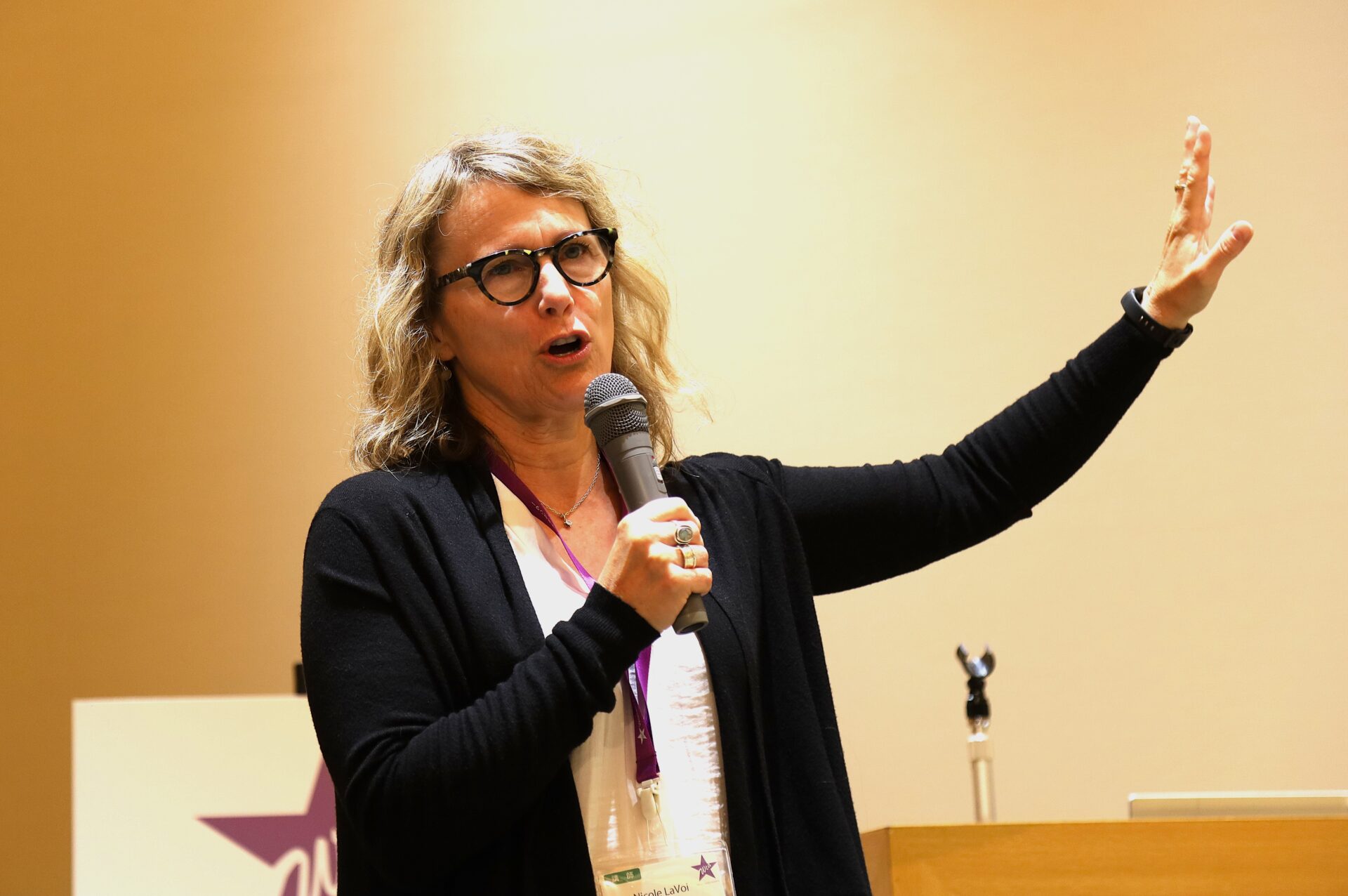
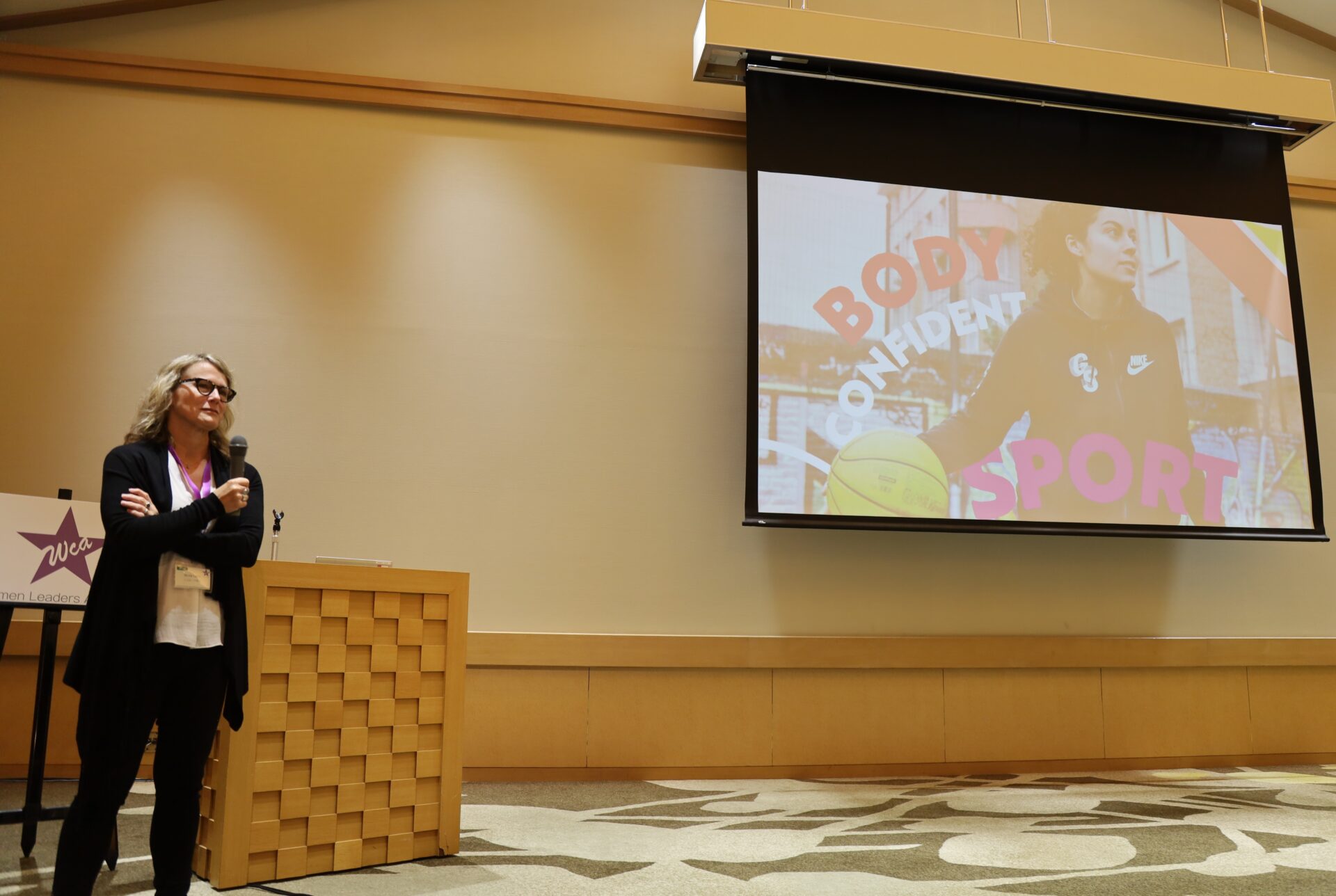
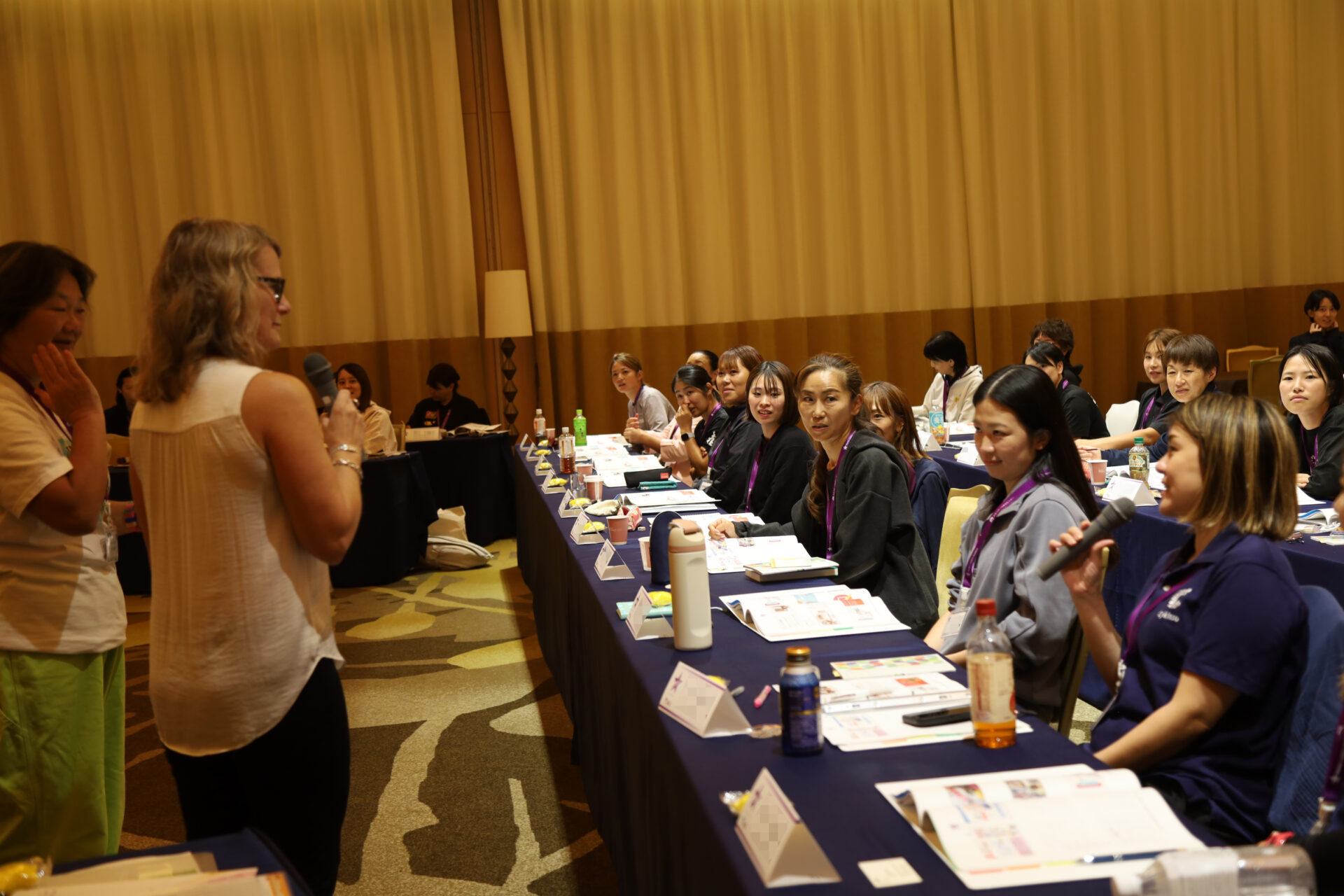
A new addition to this year’s curriculum was a lecture by Dr. Nicole LaVoy, one of the developers of Body Confident Sport. Body Confident Sport is a global initiative aimed at creating environments where girls can enjoy sport without fear of body image concerns that may otherwise lead them to drop out.
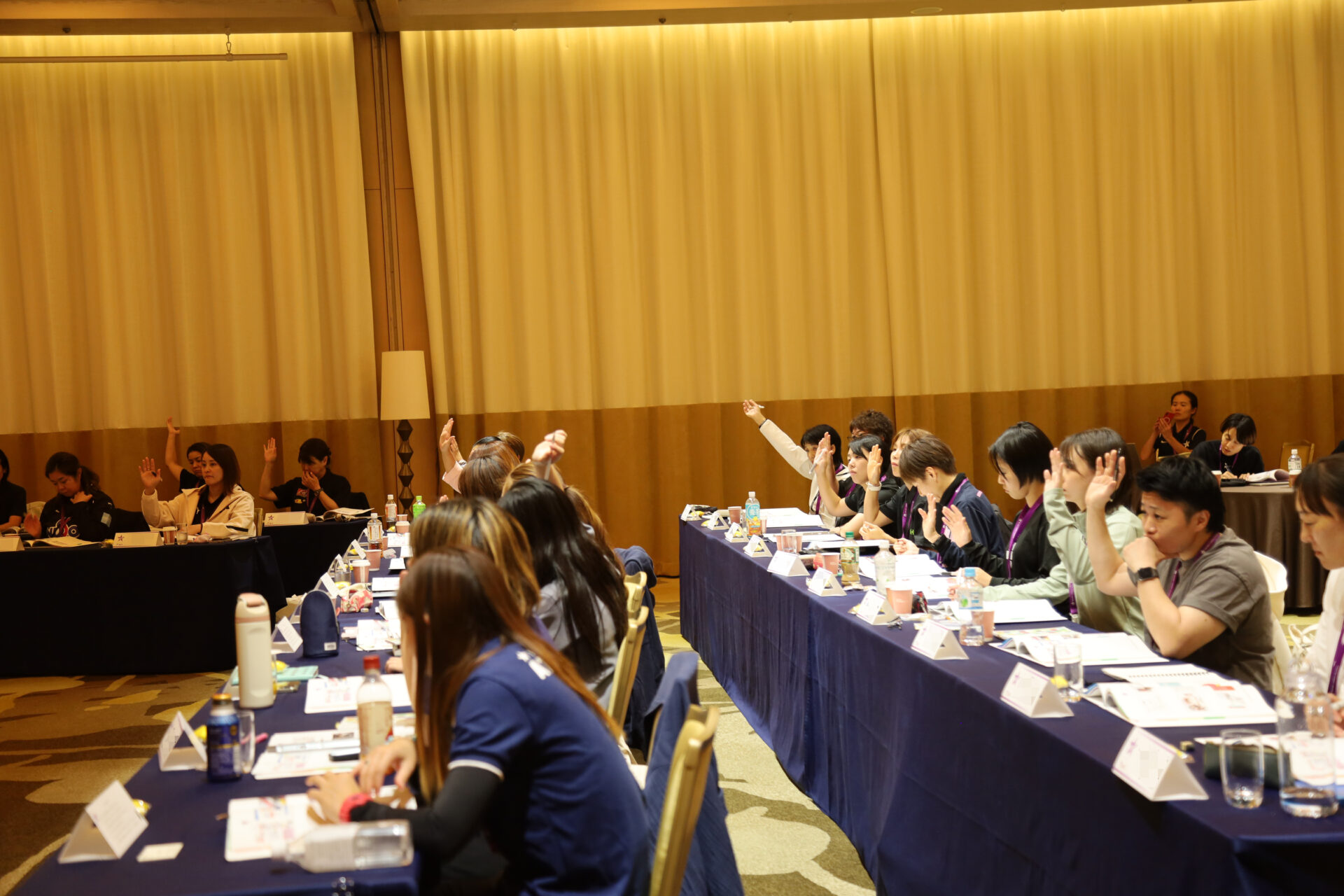
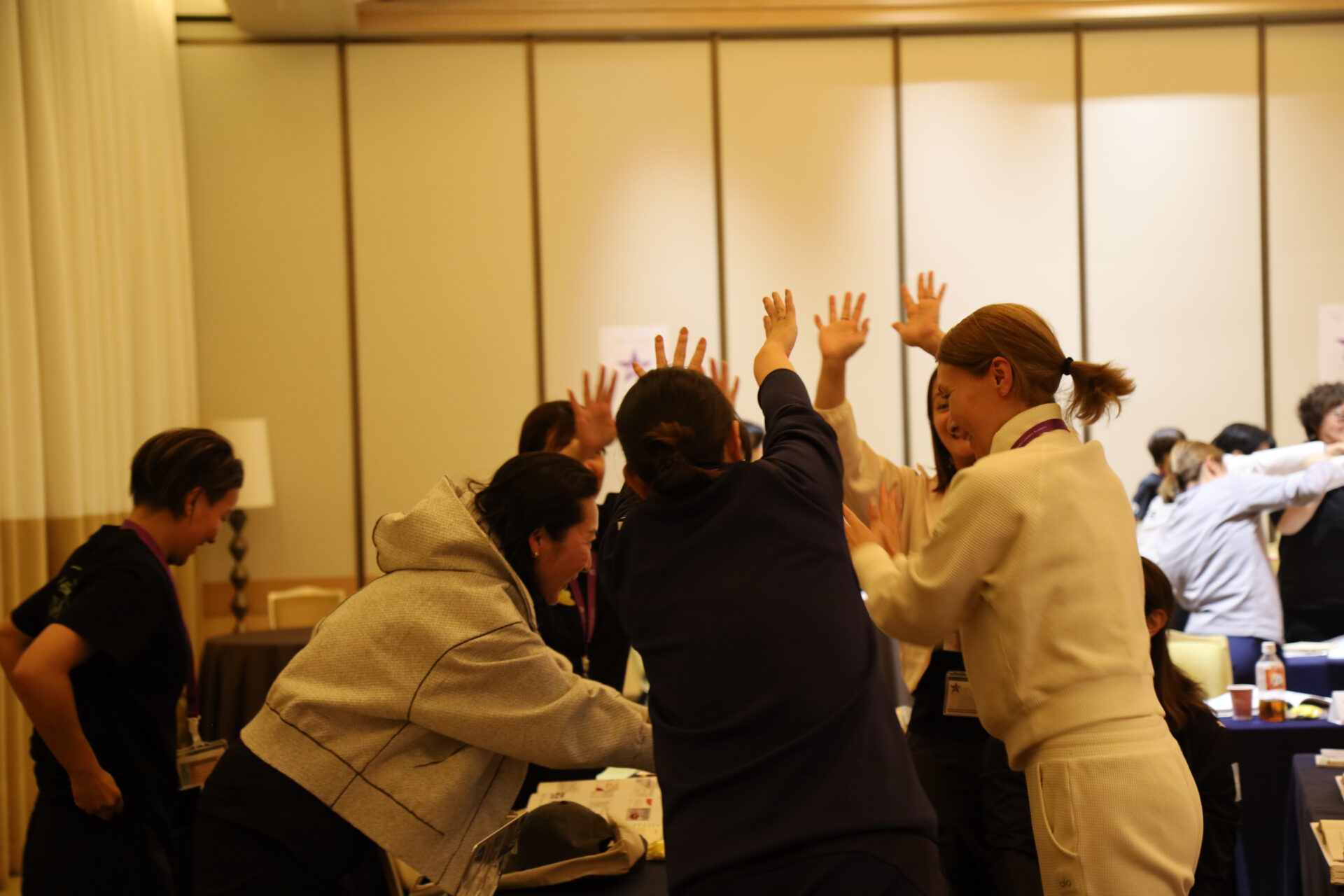
Dr. LaVoy highlighted how societal and media-driven “ideal female images,” as well as gender stereotypes, can lower self-esteem among female athletes and contribute to their disengagement from sport. Using examples of athletes from different sports, participants learned through practical exercises about the risks of preconceived notions limiting an athlete’s potential. Dr. LaVoy also shared her personal experiences, emphasizing the profound impact that a coach’s words can have on an athlete’s life.
In the latter part of the session, the importance of communication that avoids “body talk”—defined as body-focused comments—and instead emphasizes physical function and feelings was discussed. All participants received “Body Talk Free Zone” stickers, reinforcing their awareness of the need to create a more positive and safe sporting environment.
06The Professional Coach and
Woman Leader in Sport
LecturerMs. Marlene Bjornsrud, Former Executive Director,
Alliance of Women Coaches (WeCOACH)
InterpreterDr. Maki Itoh, Associate Professor,
Sport Management Department of Sports and
Health Studies, Hosei University
Cultivating and elevating the self
The essentials of a professional coach and leader
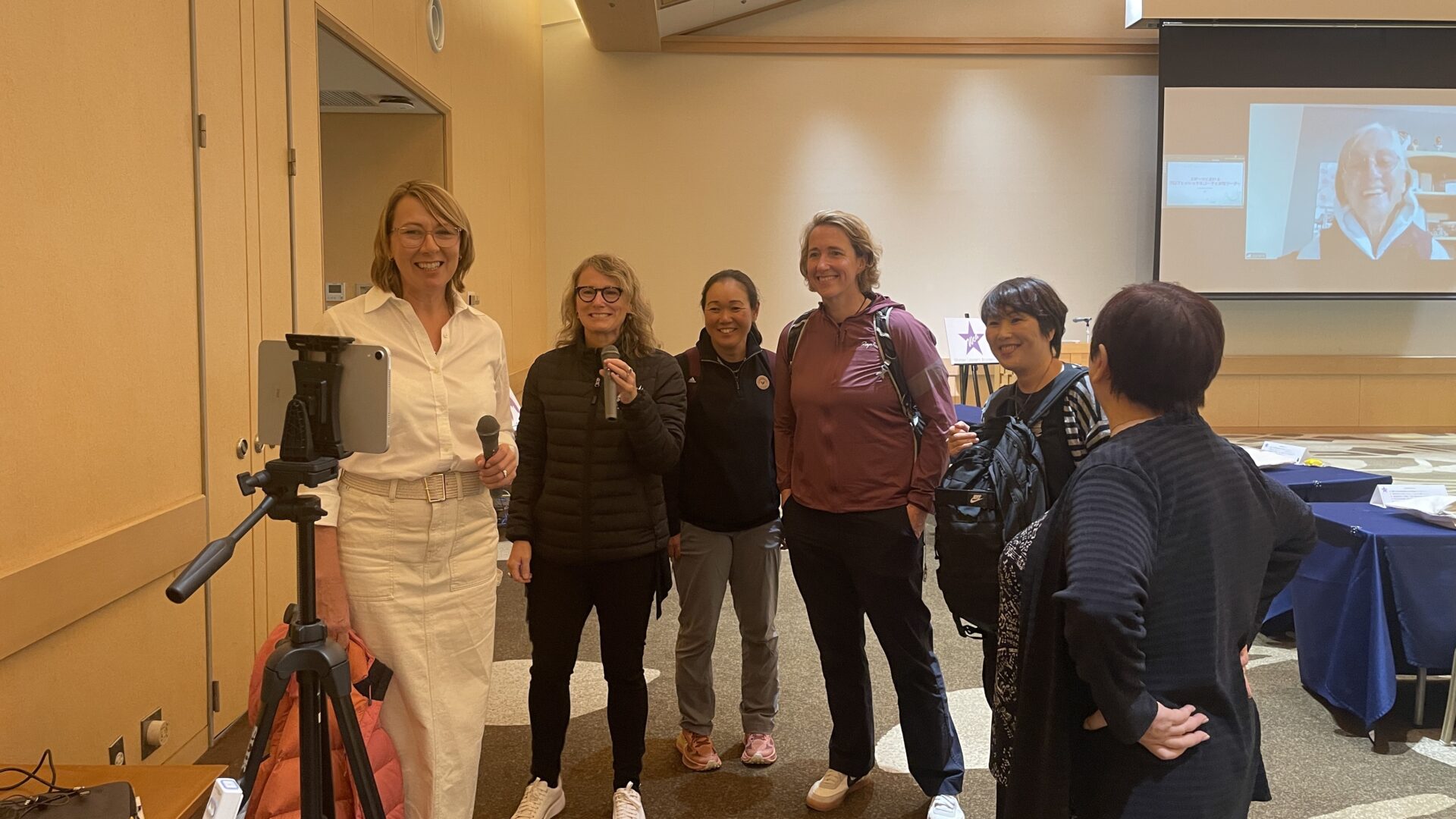
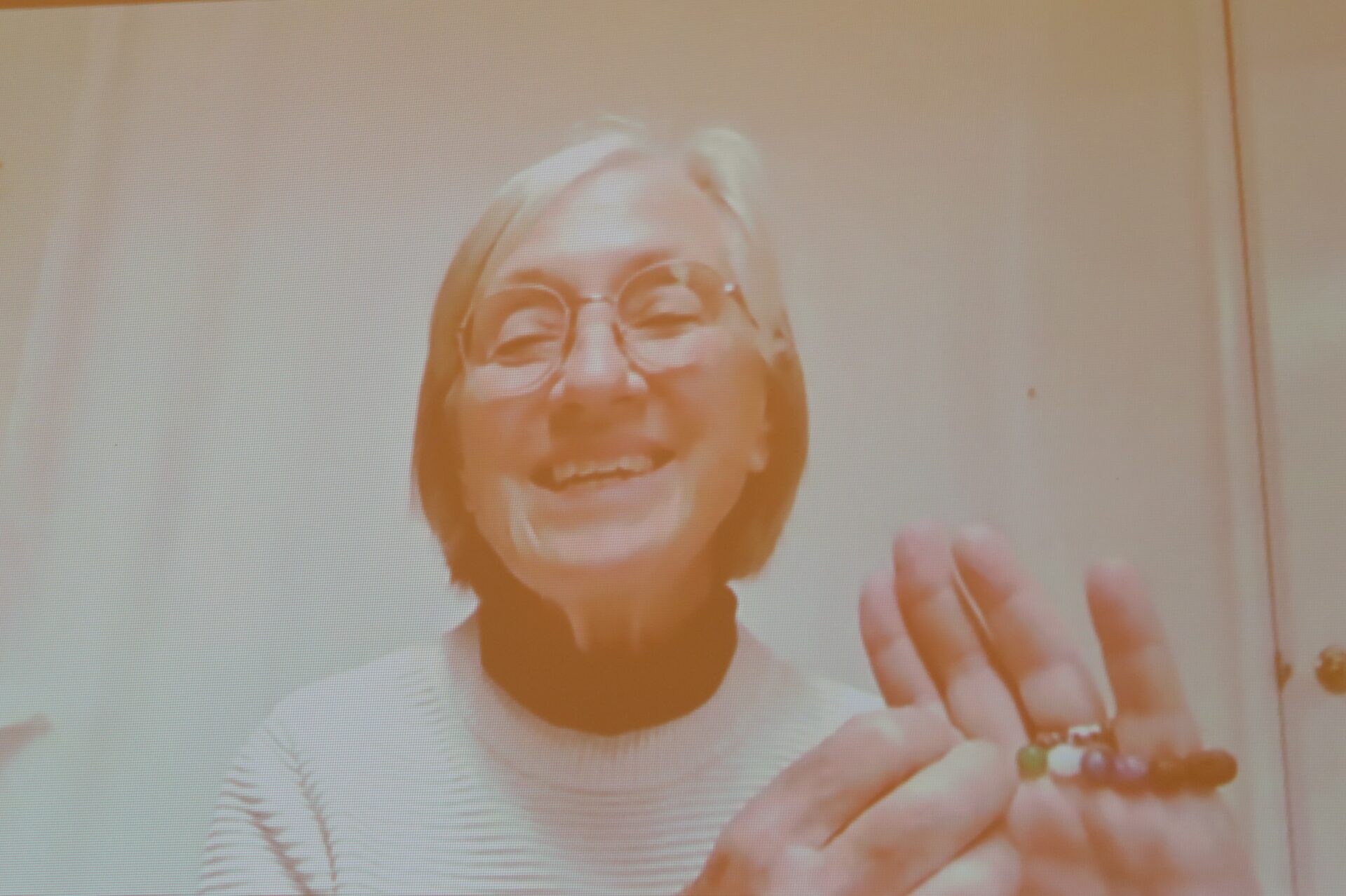
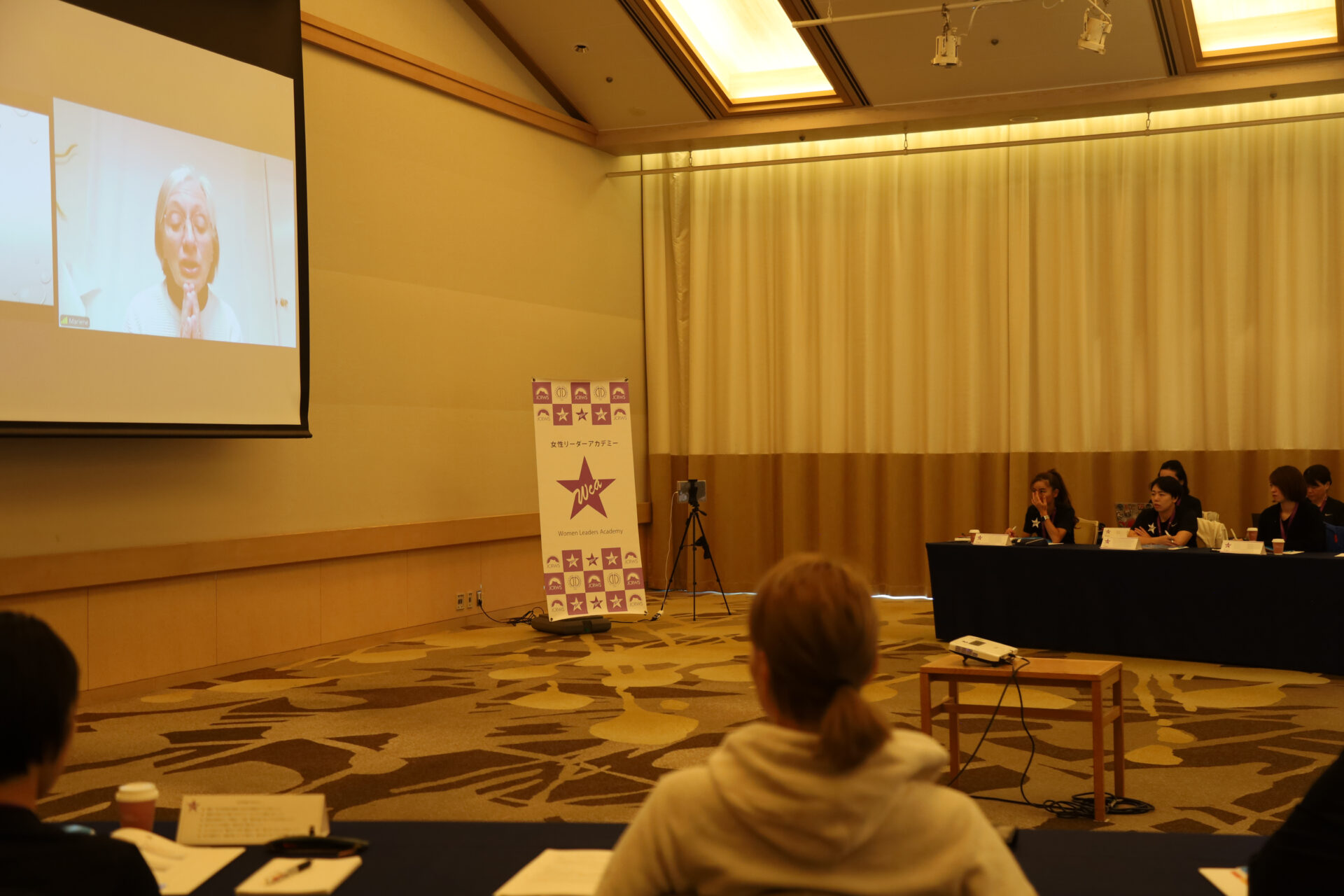
Ms. Marlene Bjornsrud delivered her lecture online, connecting Colorado Springs in the United States with Karuizawa.
She began by identifying two key qualities of great leaders: knowing and living their purpose, and knowing and living their values. She shared her own core values—“Love, Peace, Generosity, Simplicity, and Humility”—which she consciously strives to live by every day. She then explained that the responsibilities of a great woman leader include creating conditions in which everyone can discover their gifts, providing a sense of safety both inside and outside the workplace, and walking alongside others every step of the way. She also highlighted the importance of leaders managing their own energy and caring for their mental and physical well-being. Introducing self-reflection as a way to strengthen self-worth, she drew on her extensive experience in the world of sport to offer practical insights that resonated deeply with participants.
Concluding her session, she delivered a powerful message: “You are a unique and irreplaceable individual, and you have the power to change the world.” In that moment, even through the online format, the warmth of her encouragement felt close—gently supporting and empowering everyone in the room.
07Motivation Strategy for Leaders
LecturerDr. Nicole LaVoi, Co-Director, Tucker Center for
Research on Girls & Women in Sport,
University of Minnesota
InterpreterDr. Kanae Haneishi, Professor, Western Colorado University
The power to make change happen
Women’s leadership that drives social transformation
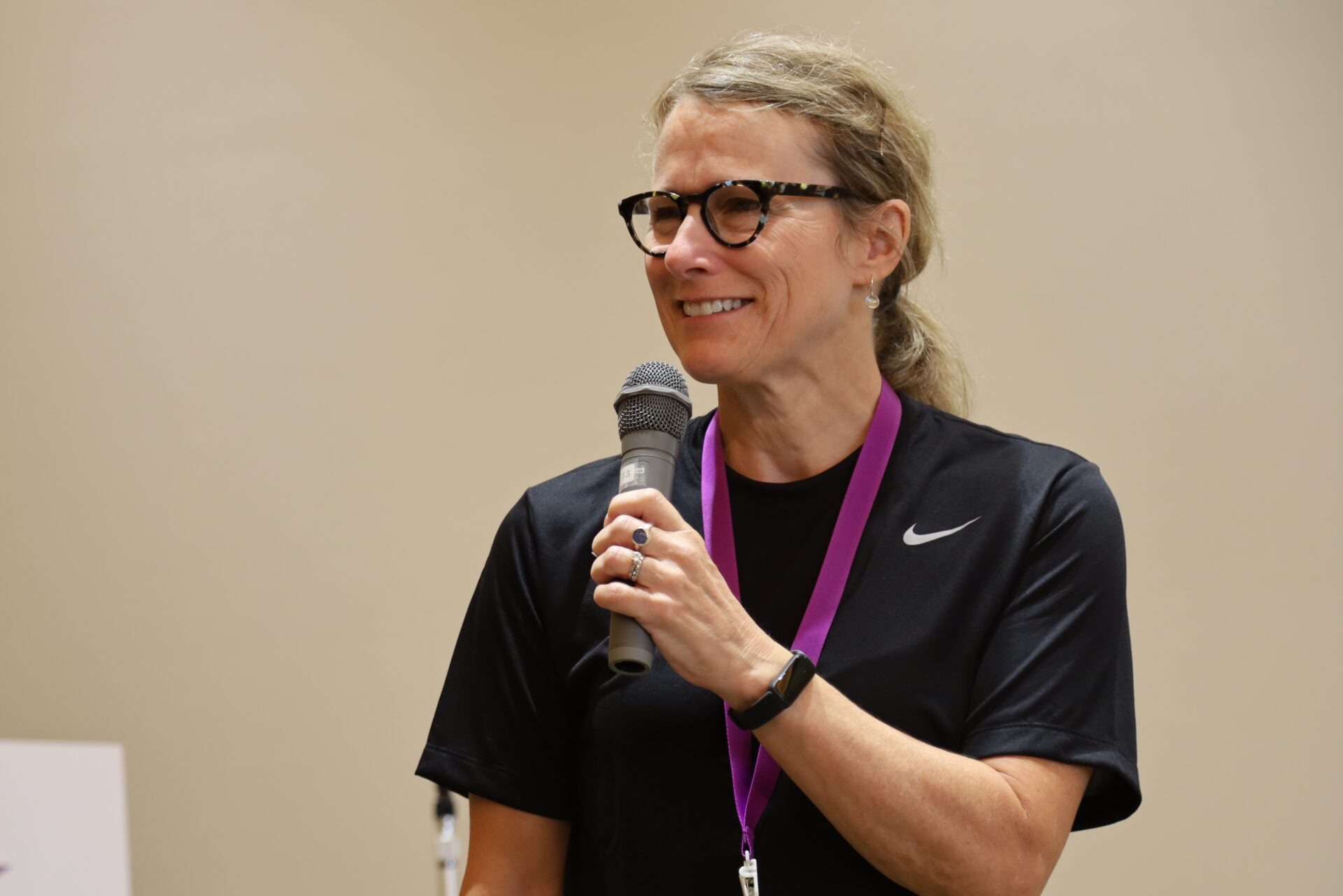
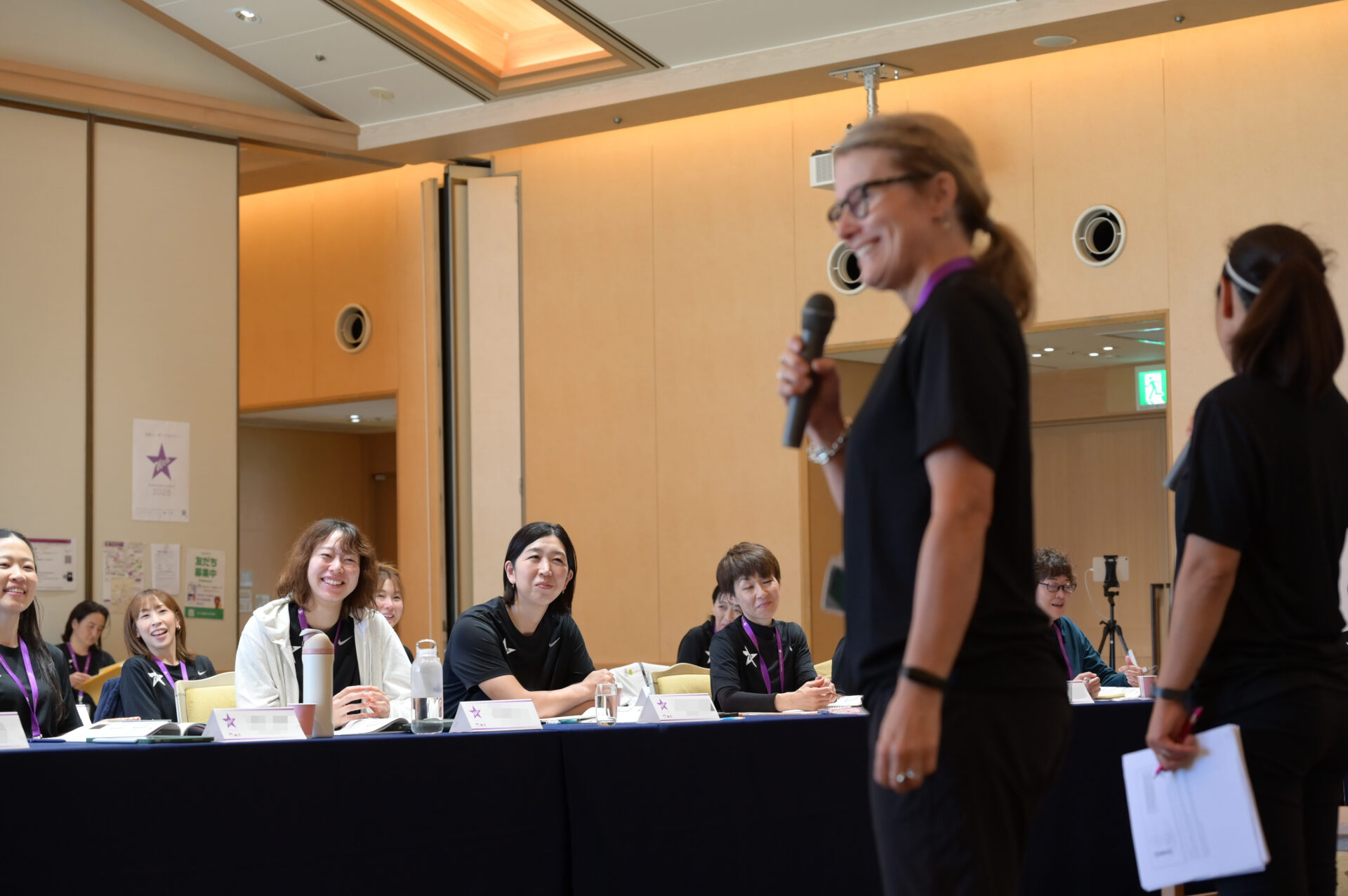
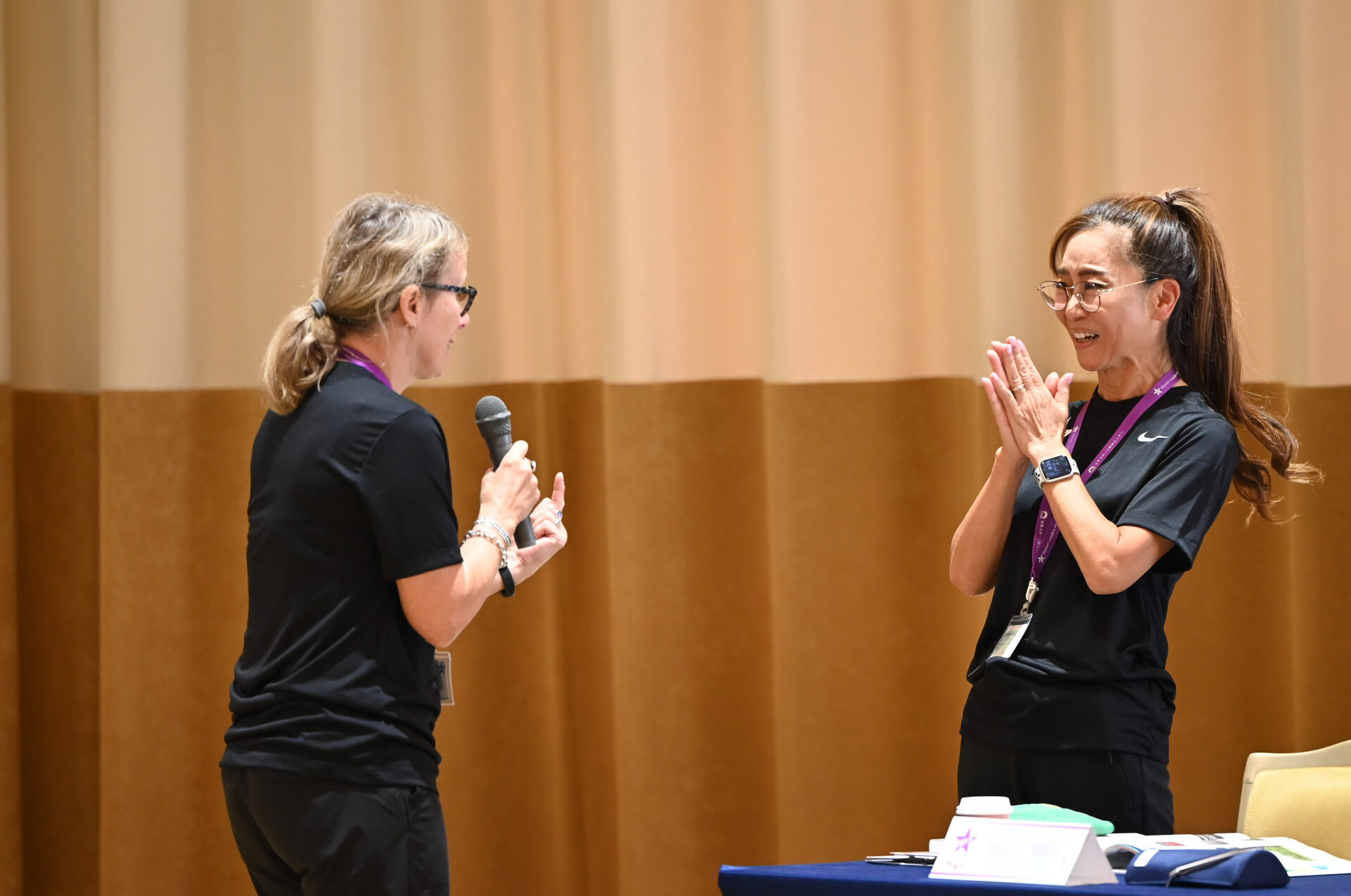
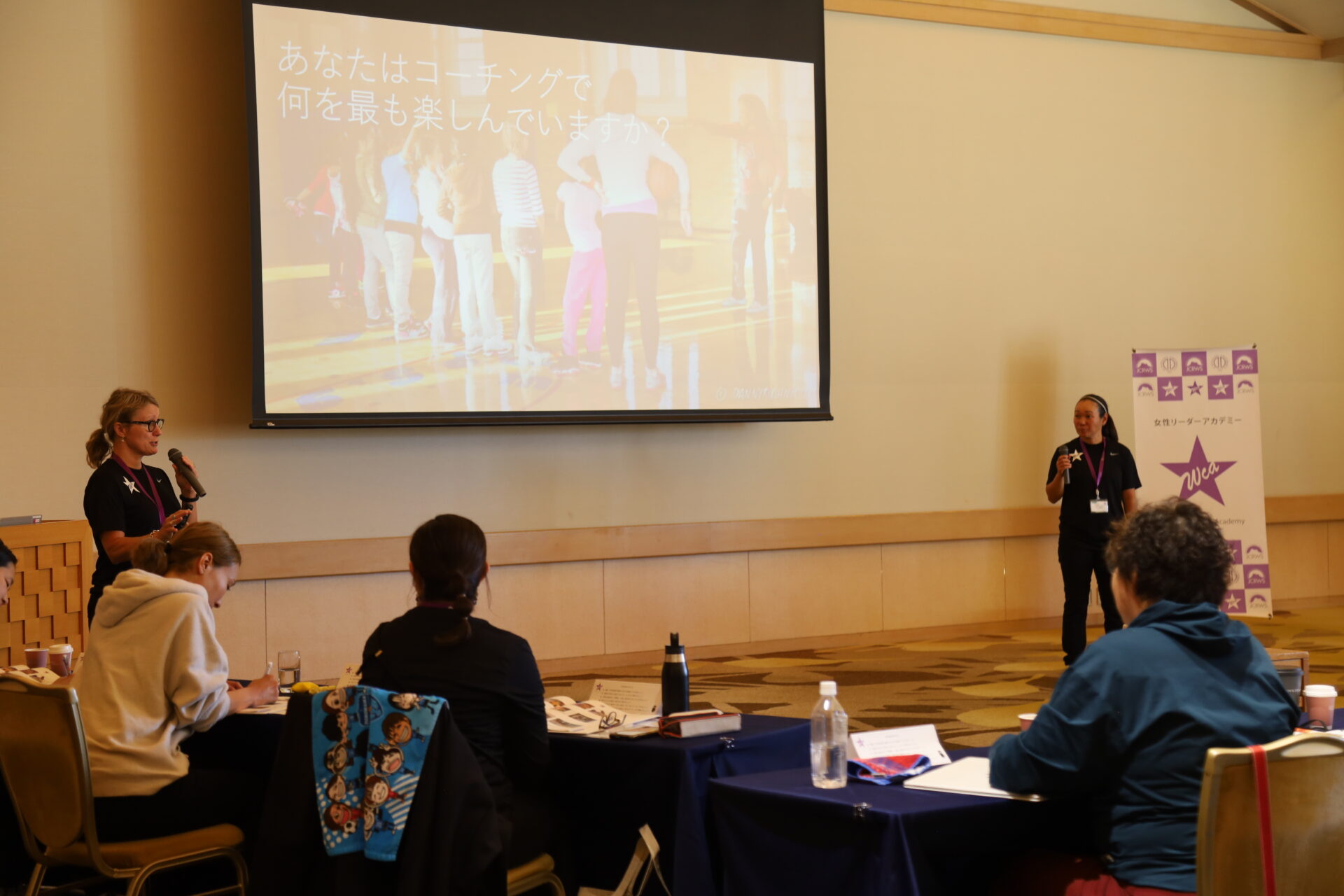
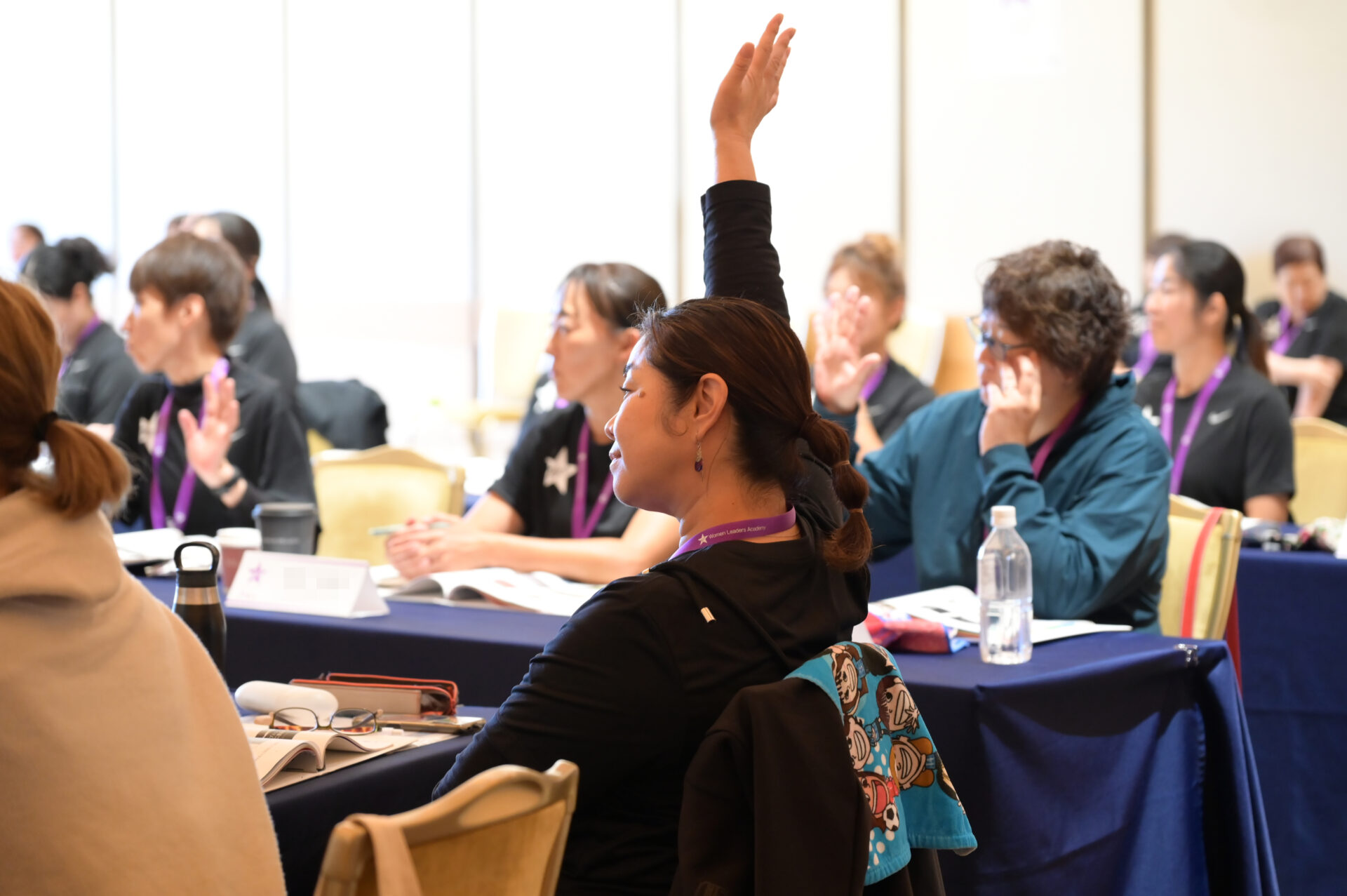
In this session, Dr. Nicole LaVoi, Director of the Tucker Center for Research on Girls & Women in Sport at the University of Minnesota, delivered a lecture grounded in compelling data and her extensive professional experience.
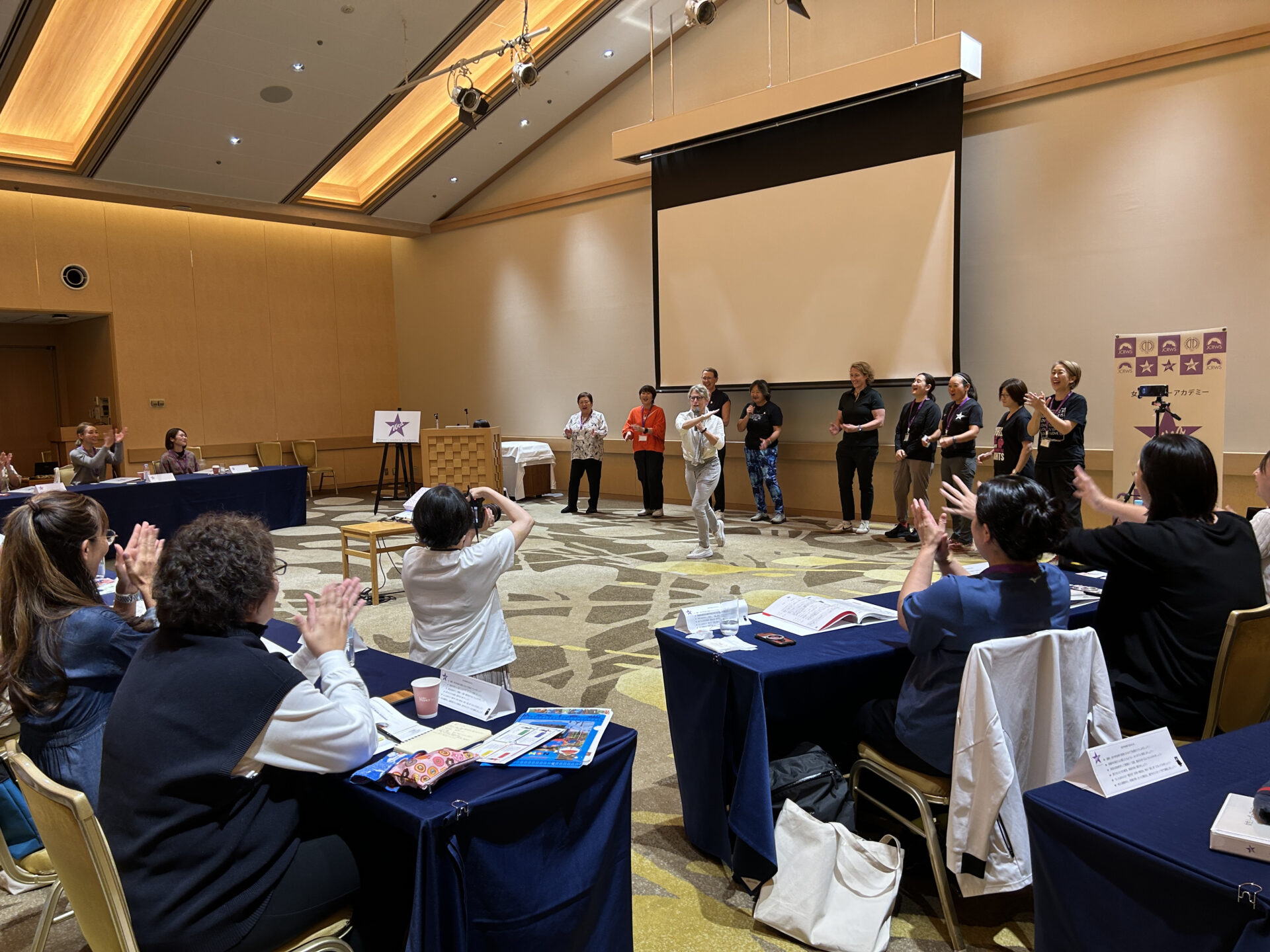
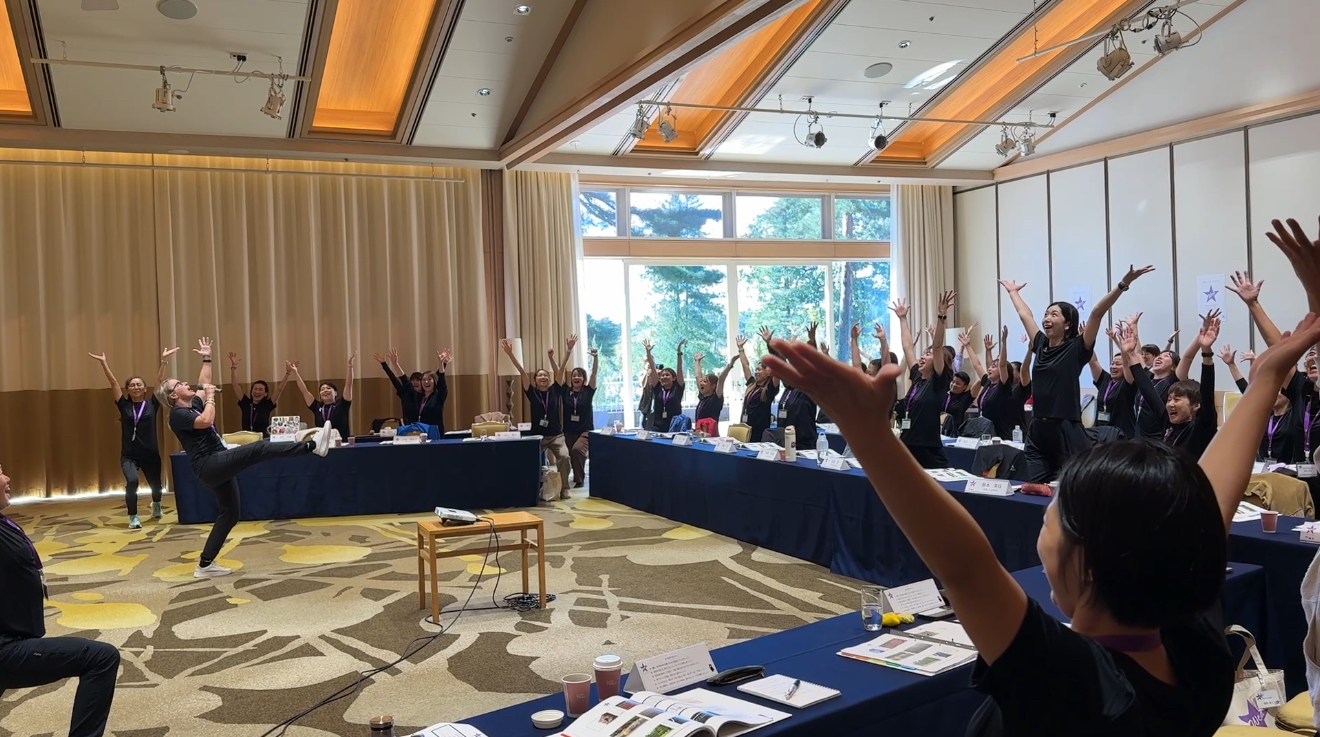
She introduced the Ecological Systems Model—comprising social, organizational, interpersonal, and individual levels—and explained that the challenges faced by women leaders are not individual shortcomings, but are rooted in broader social structures. Through dialogue with participants, real issues such as feelings of isolation and double standards surfaced, highlighting the importance of building supportive networks, including allies and understanding male colleagues. Dr. LaVoi also discussed the psychological benefits of integrating gratitude into daily life, as well as the value of sharing gratitude at both individual and organizational levels. As has become a tradition at WCA, participants practiced the “power pose” together, experiencing how confident body language can empower effective action.
In closing, Dr. LaVoi delivered a resonant message: “The power to create change lies within you.” This encouraged participants to reflect on their own actions and the influence they can have on those around them.
08Mental training for
thinking and emotions
LecturerDr. Miyako Tanaka-Oulevey, Certified Mental Training Advanced Consultant,
Japanese Society of Sport Psychology, Project Associate Professor, Keio University
Turning emotions into strength
Mental training to clarify thinking and move forward
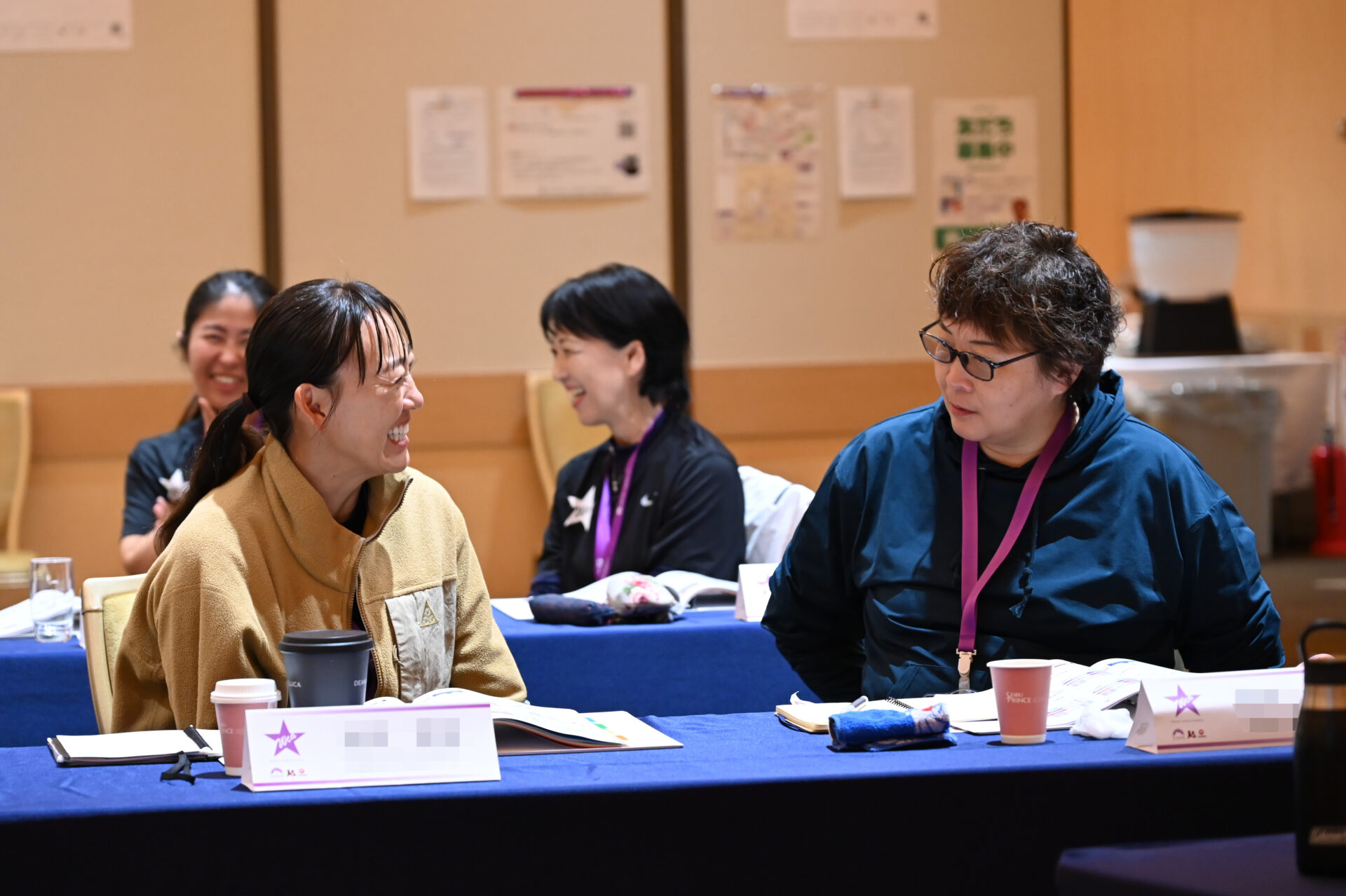
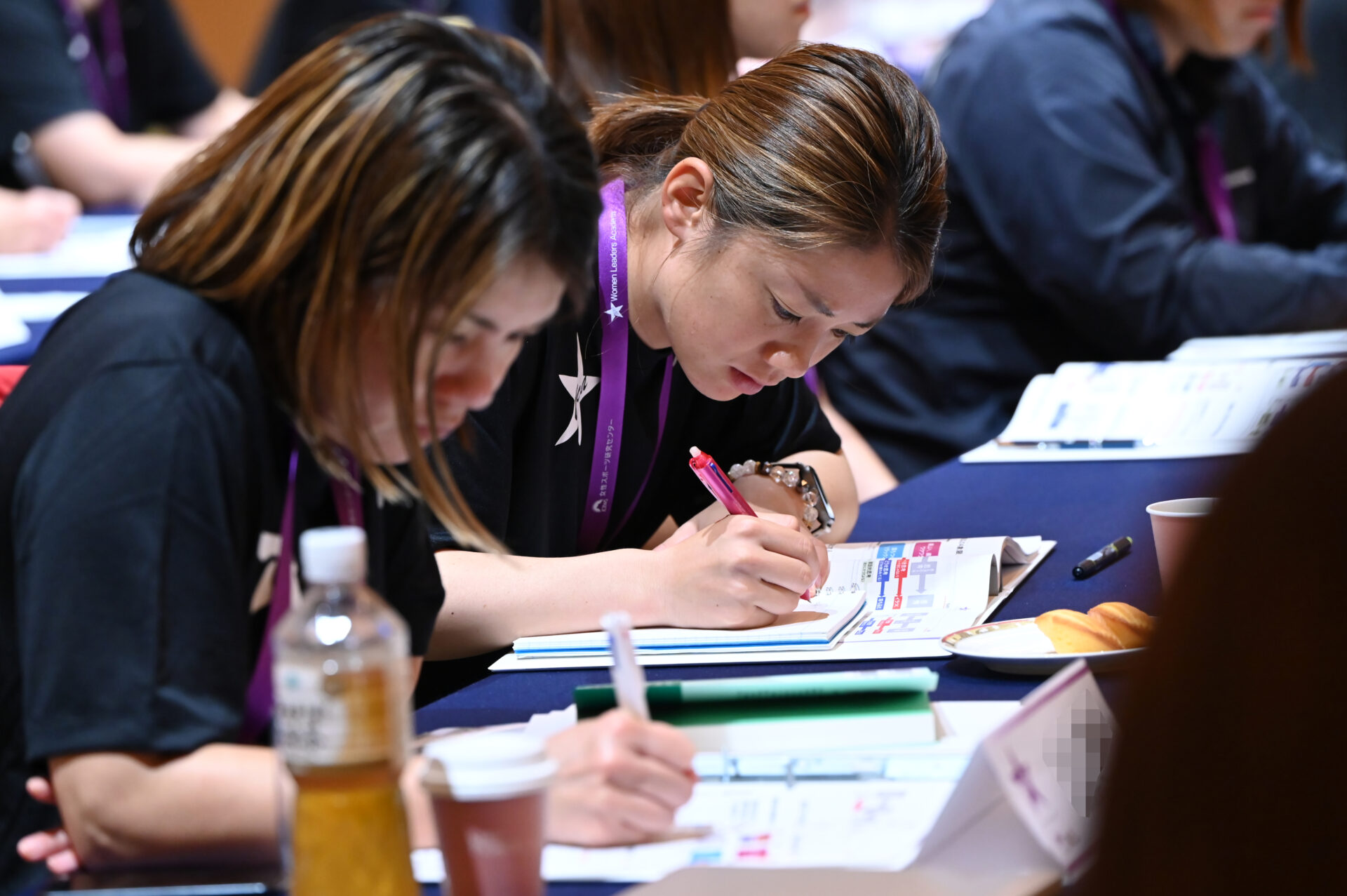
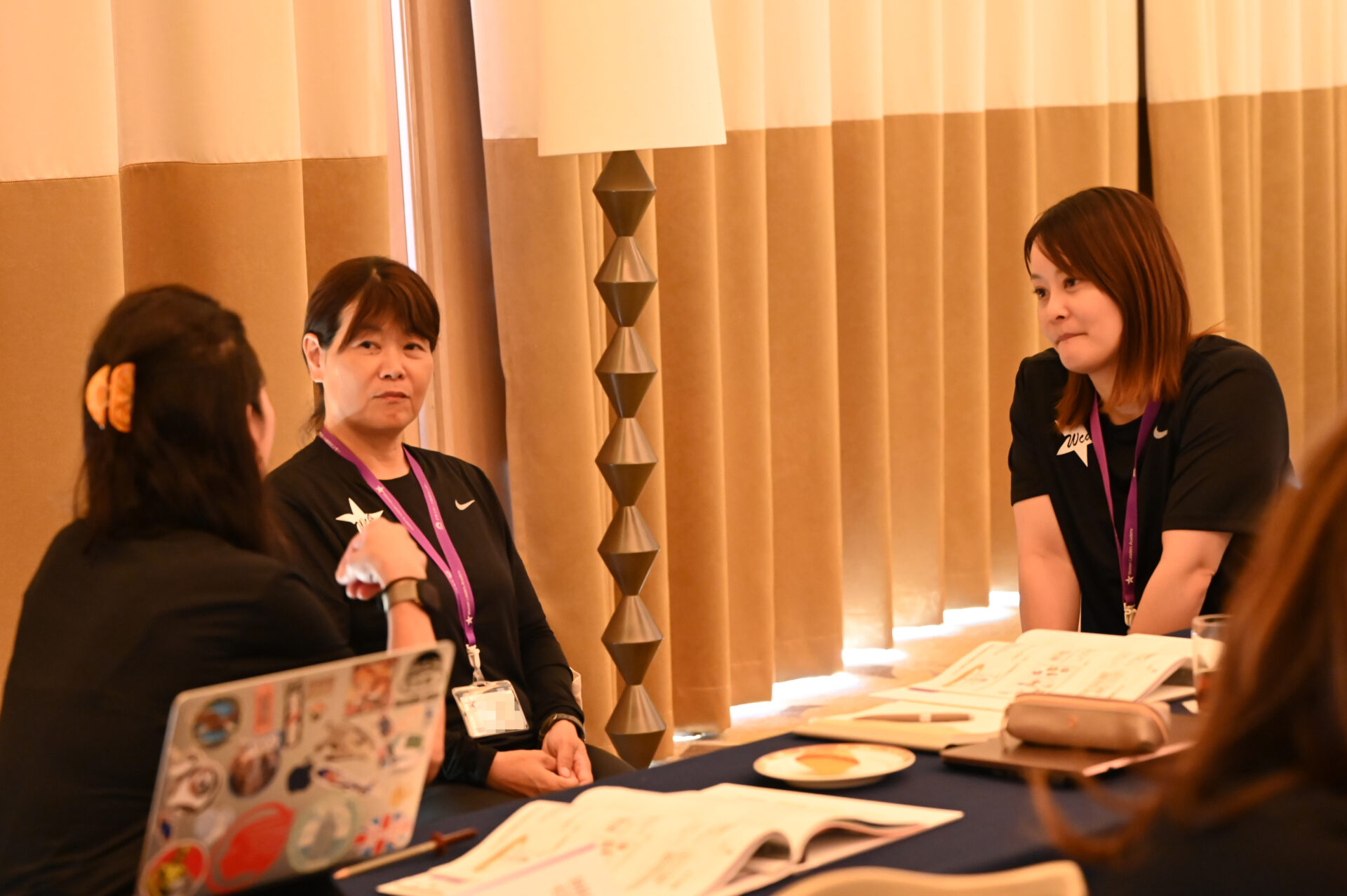
In the session “Mental Training for Thinking and Emotions,” led by Dr. Miyako Tanaka-Oulevey, participants learned practical strategies for managing stress and emotions. Dr. Tanaka emphasized that stress should not simply be endured or managed temporarily, but constructively transformed to support the achievement of one’s goals. Drawing on her experiences as both an athlete and a coach, she explained that emotions such as anger or sadness should not be suppressed, but rather acknowledged and channeled into productive energy.
During the lecture, participants engaged in exercises that involved verbalizing their emotions, helping them deepen their self-understanding. She highlighted that recognizing the “thinking patterns” underlying one’s thoughts and actions can improve relationships as well as athletic performance. Dr. Tanaka also addressed the issue of online harassment, underscoring the importance of accurately understanding emotions and responding to them in constructive and healthy ways.
09CoachDISC Program
LecturerMs. Elizabeth Masen, CEO, Athlete Assessments
Dr. Maki Itoh, Associate Professor,
Sport Management Department of Sports and Health Studies, Hosei University
Understand behavioral styles to move the team forward
Building a team of dialogue and growth with CoachDISC
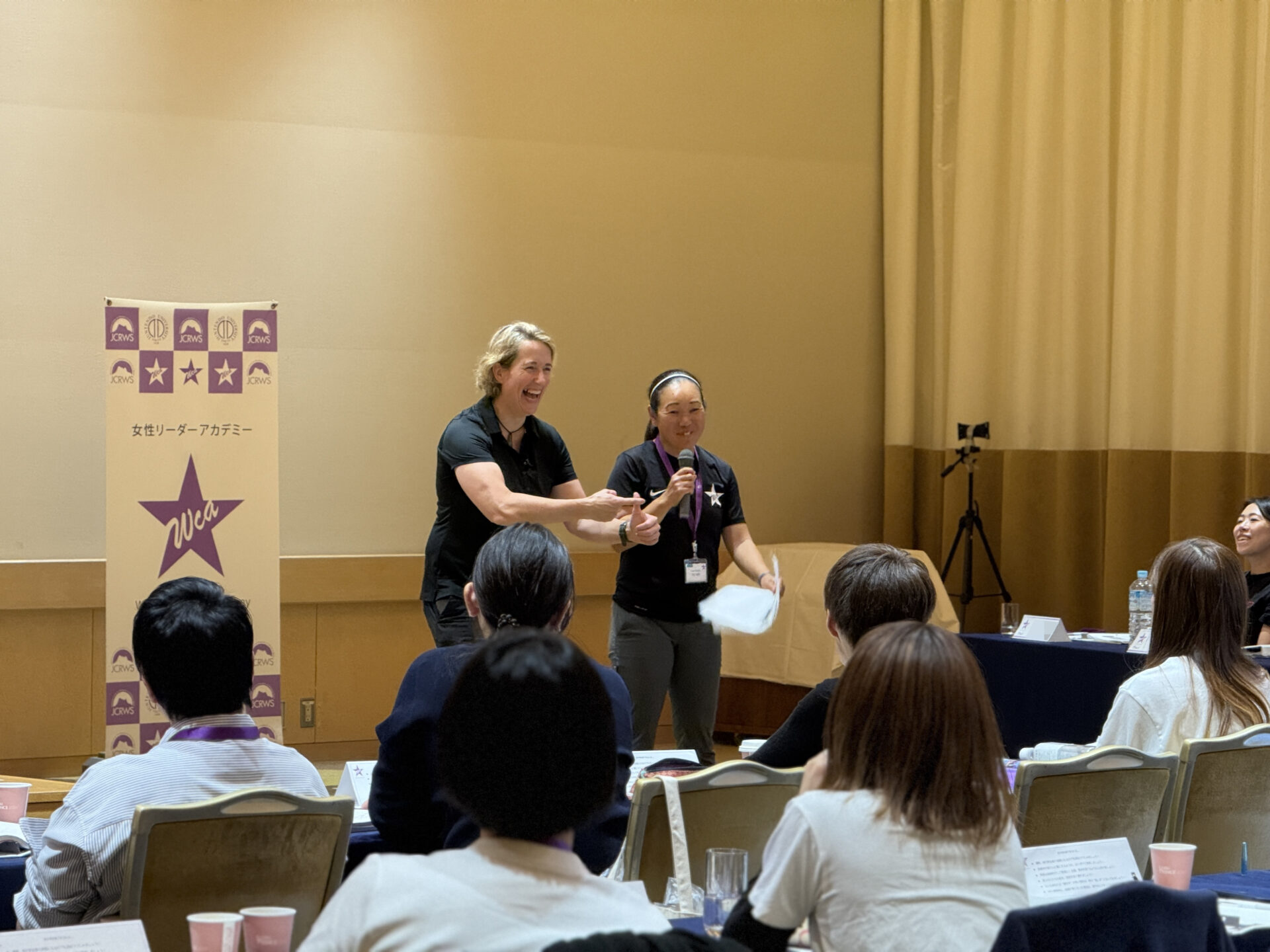
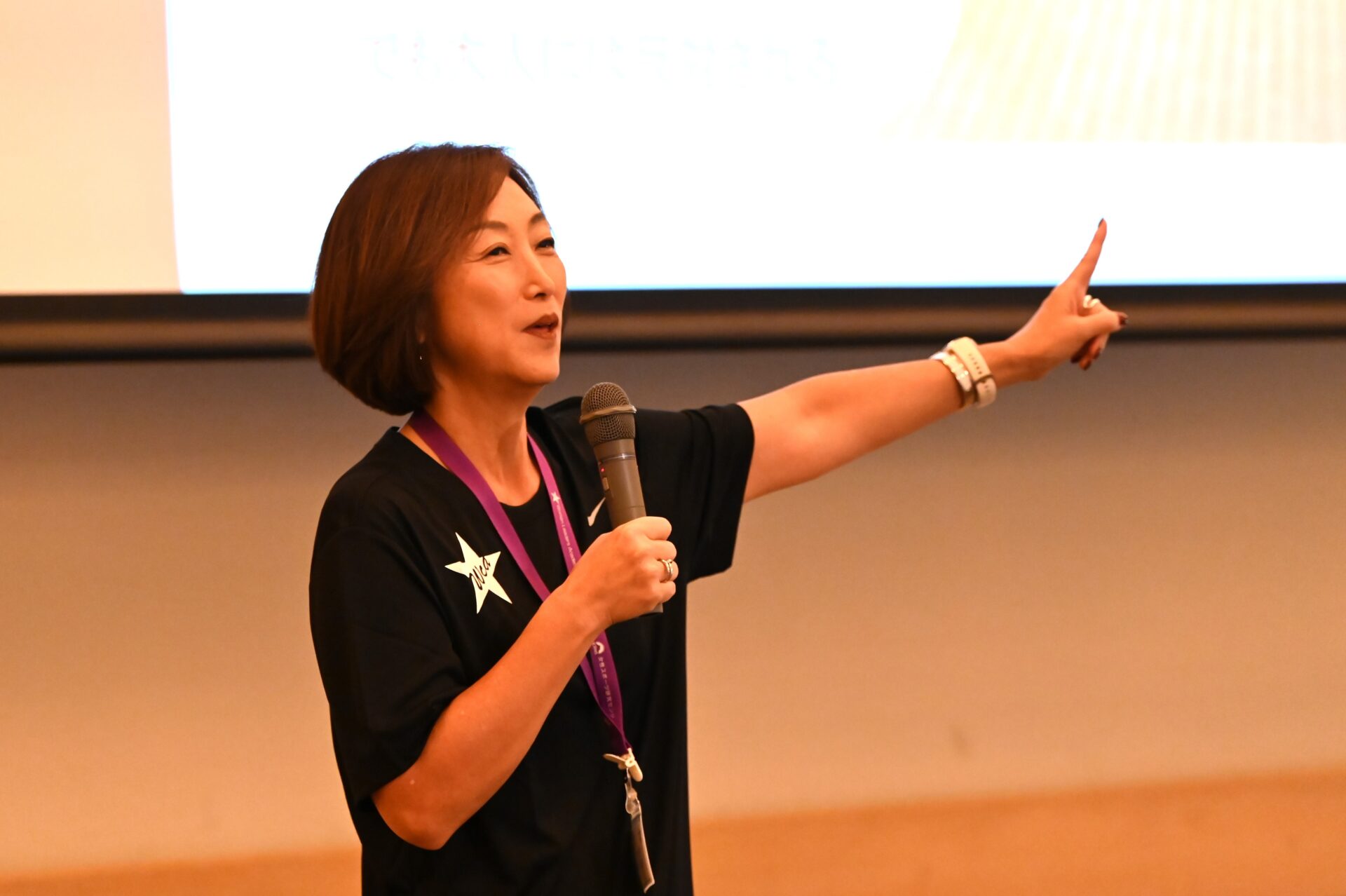
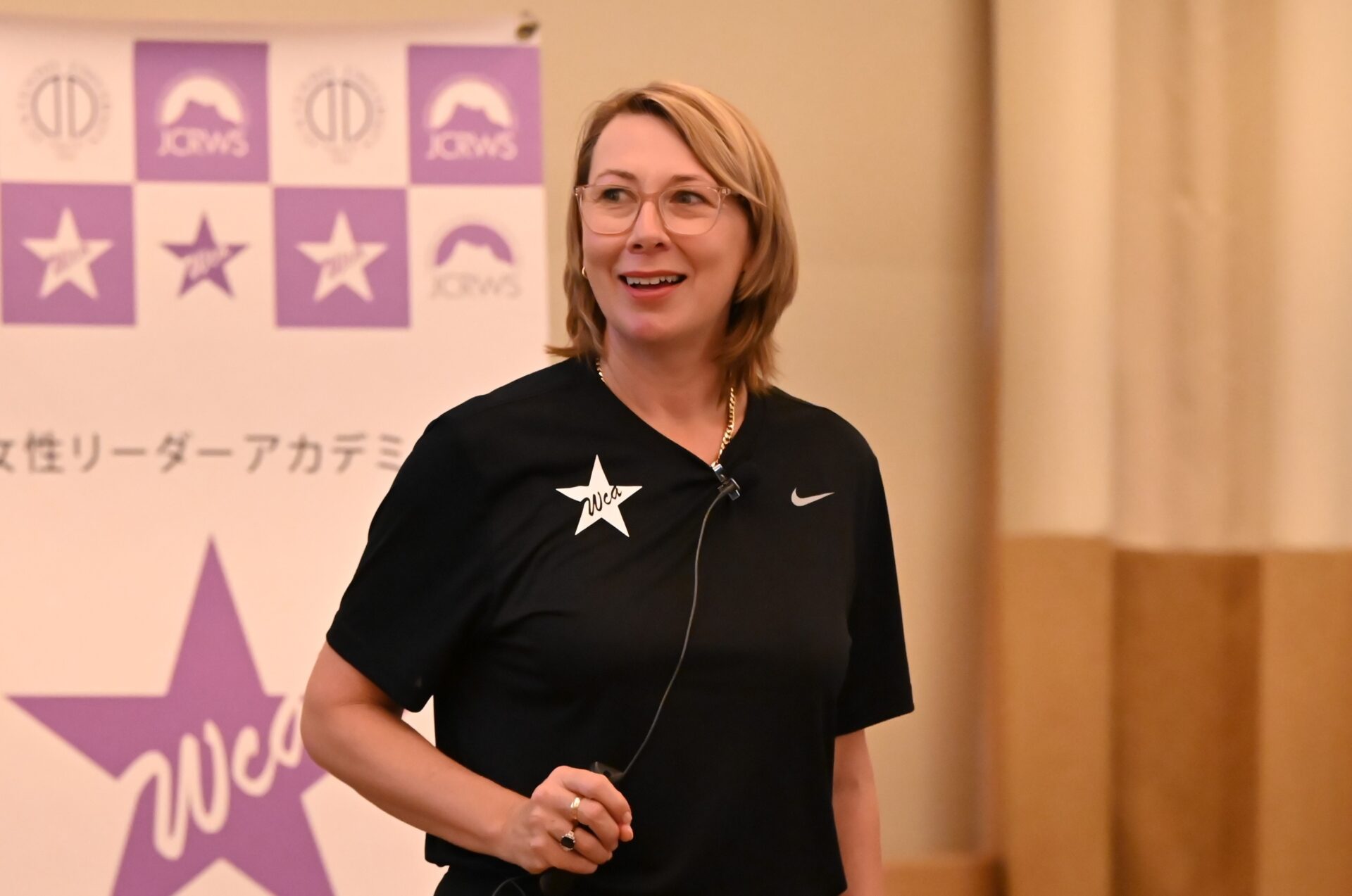
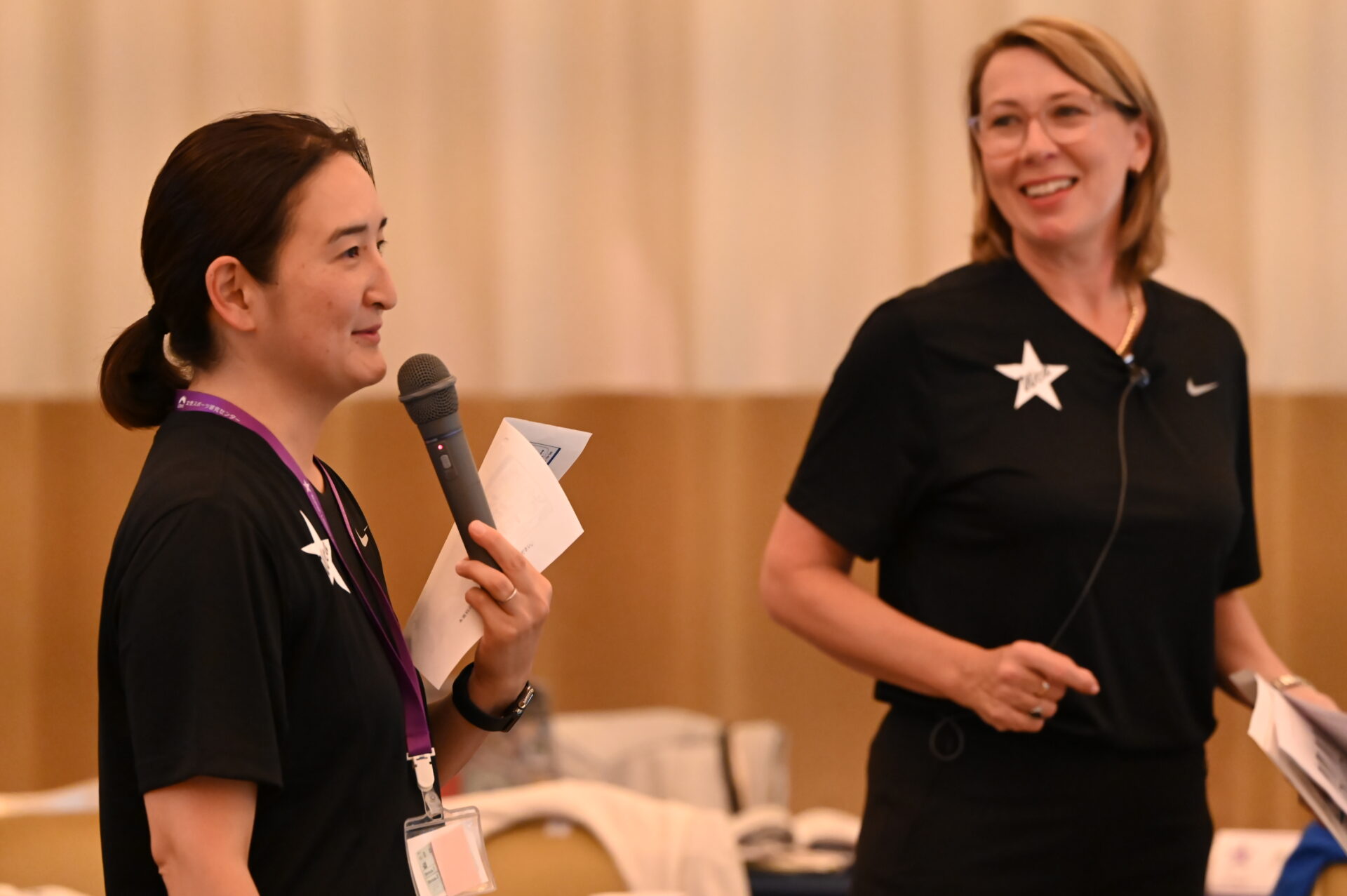
In a lecture delivered by Ms. Elizabeth Mason, CEO of Athlete Assessments (Australia), participants explored approaches to team development that embrace diversity by deepening both self-awareness and understanding of others through the organization’s proprietary program, CoachDISC.
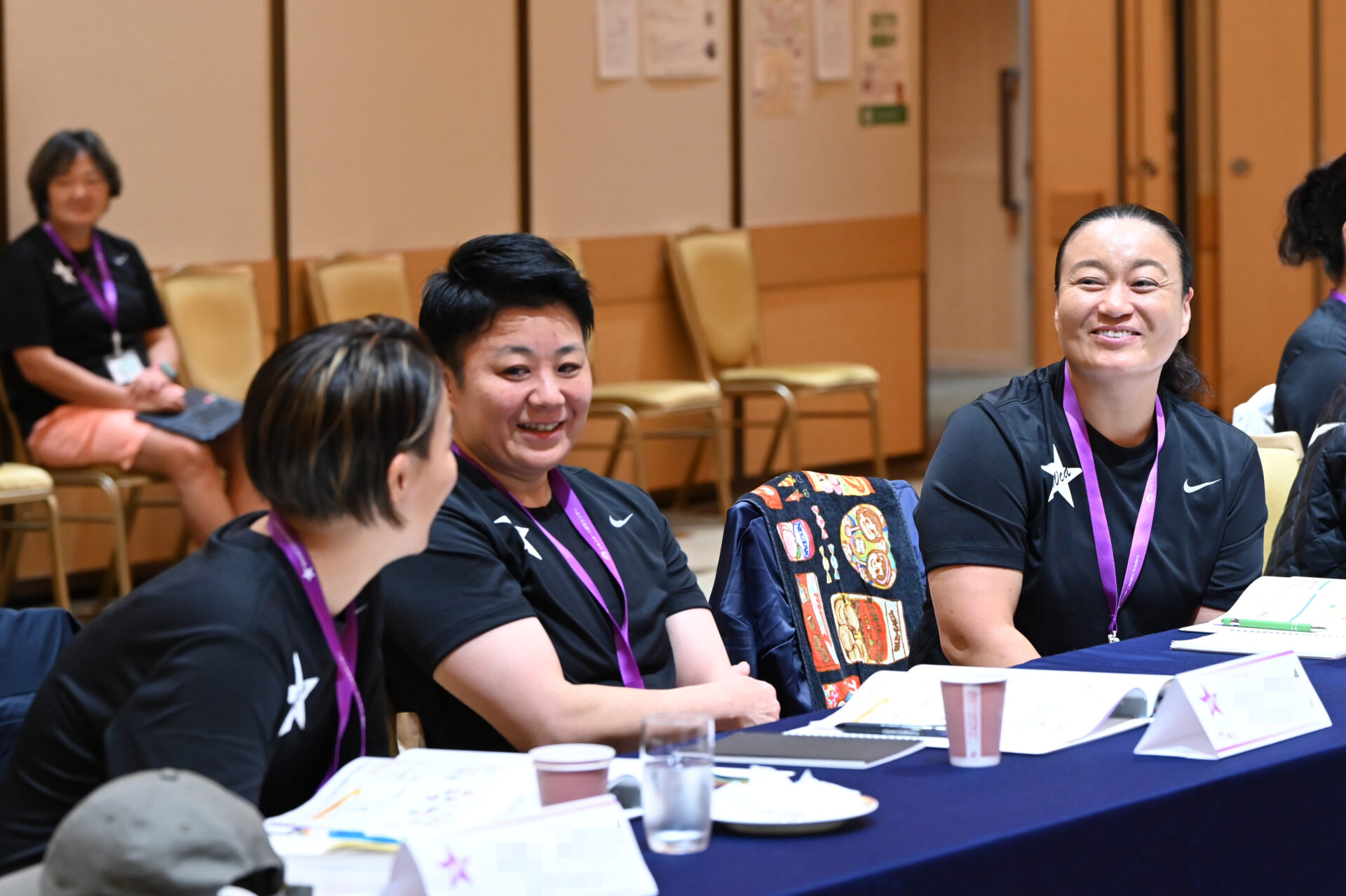
Prior to the session, all participants completed the CoachDISC assessment to identify their own behavioral styles. At the outset of the lecture, Ms. Mason clarified that DISC is not a tool for evaluating personality or capability, but rather “a tool that helps people understand behavioral tendencies and harness their strengths.” She explained how individuals are categorized into four distinct behavioral styles, outlining the characteristics of each and effective ways of interacting with others.
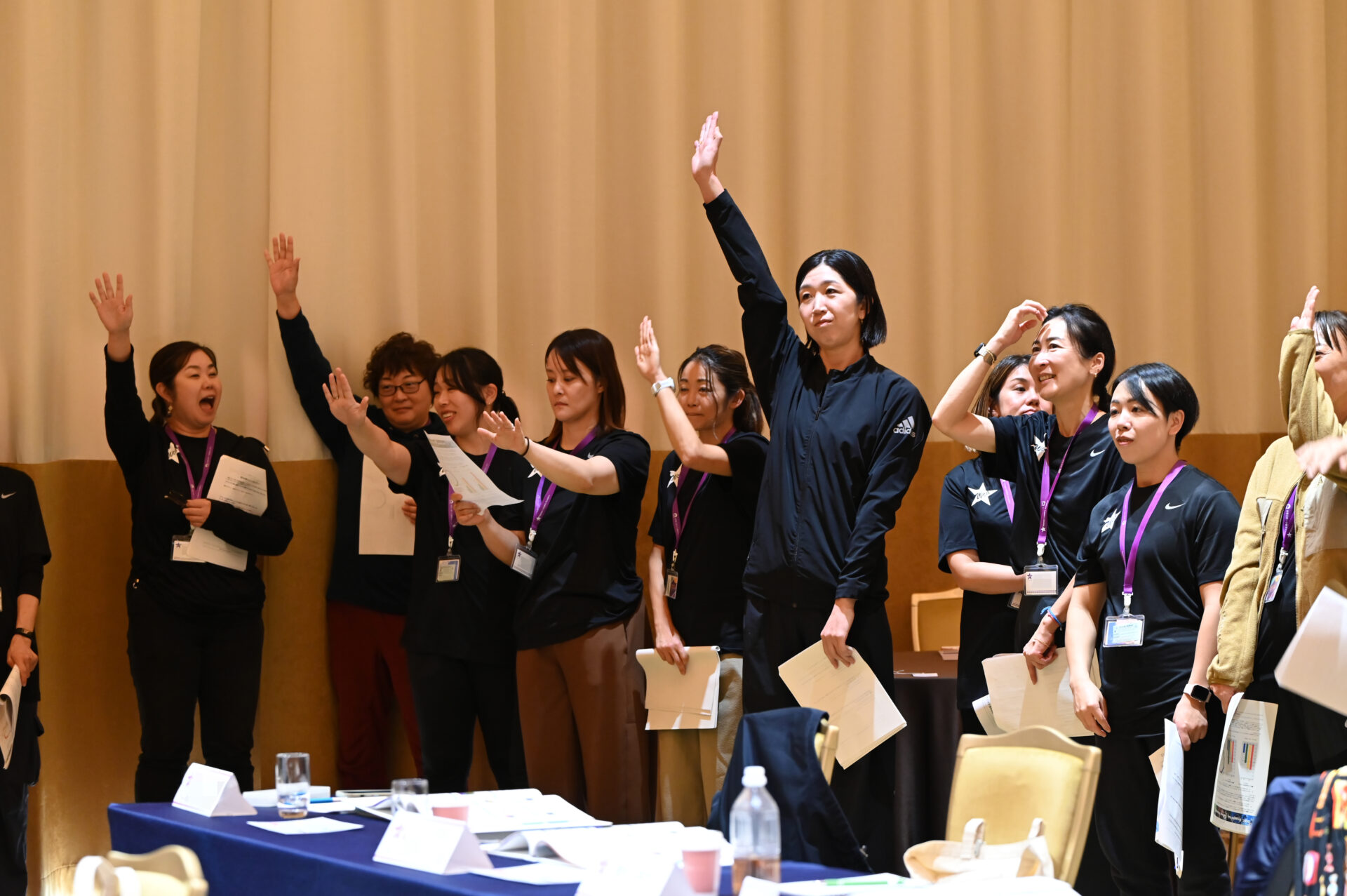
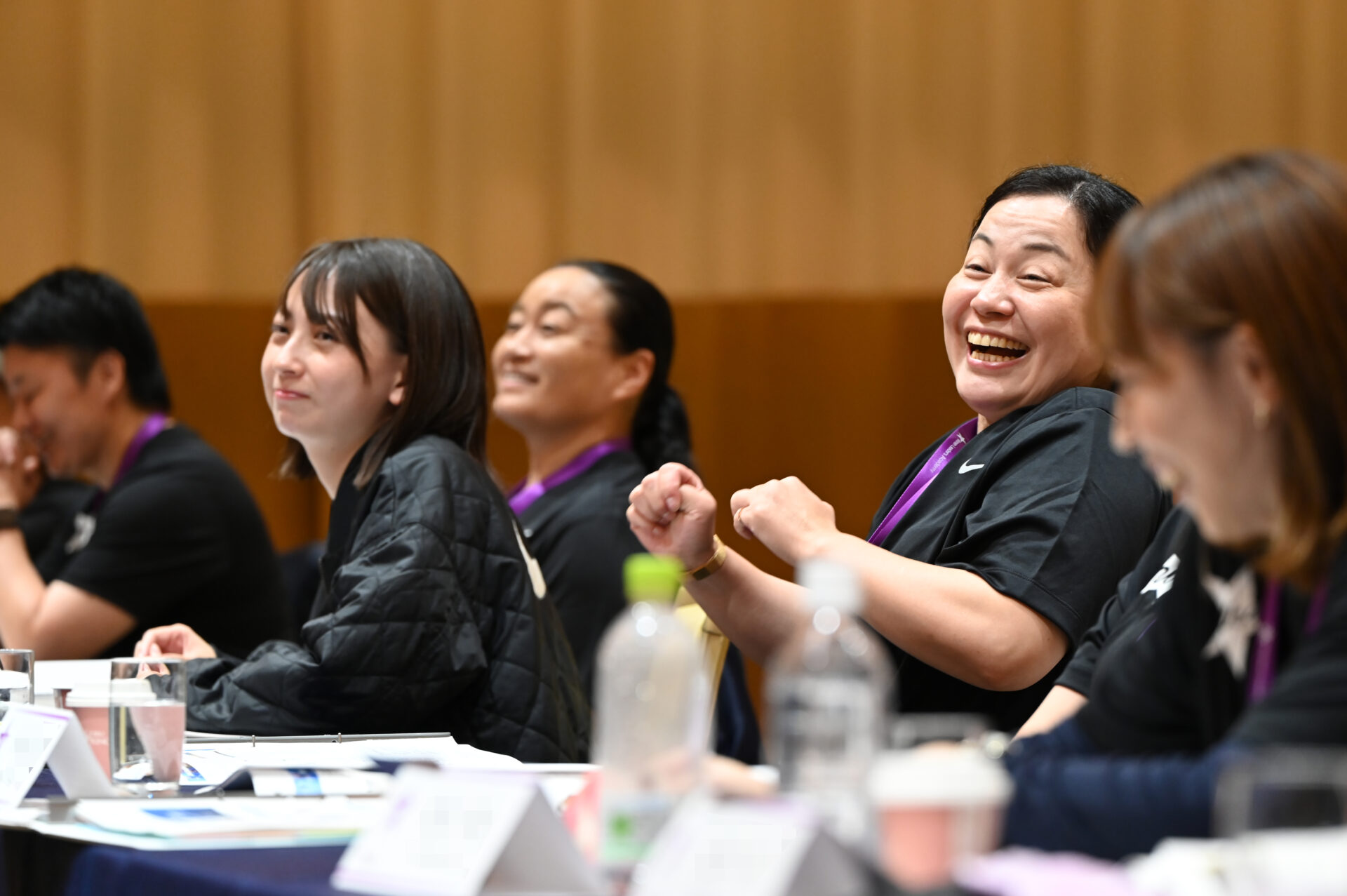
Through practical exercises, participants experienced differences in communication approaches—such as speaking styles and working pace—associated with each behavioral style. They then engaged in an activity that encouraged them to reflect on how adjusting their own behavior can positively influence others. Ms. Mason emphasized that “respecting diverse behavioral styles and adapting communication to the person in front of us is the key to building trust and maximizing a team’s potential.”
10CoachDISC Case Study
LecturerMs. Maki Moriya, President, Laurelgate Co., Ltd.
Good & Better
Hone your feedback skills with CoachDISC
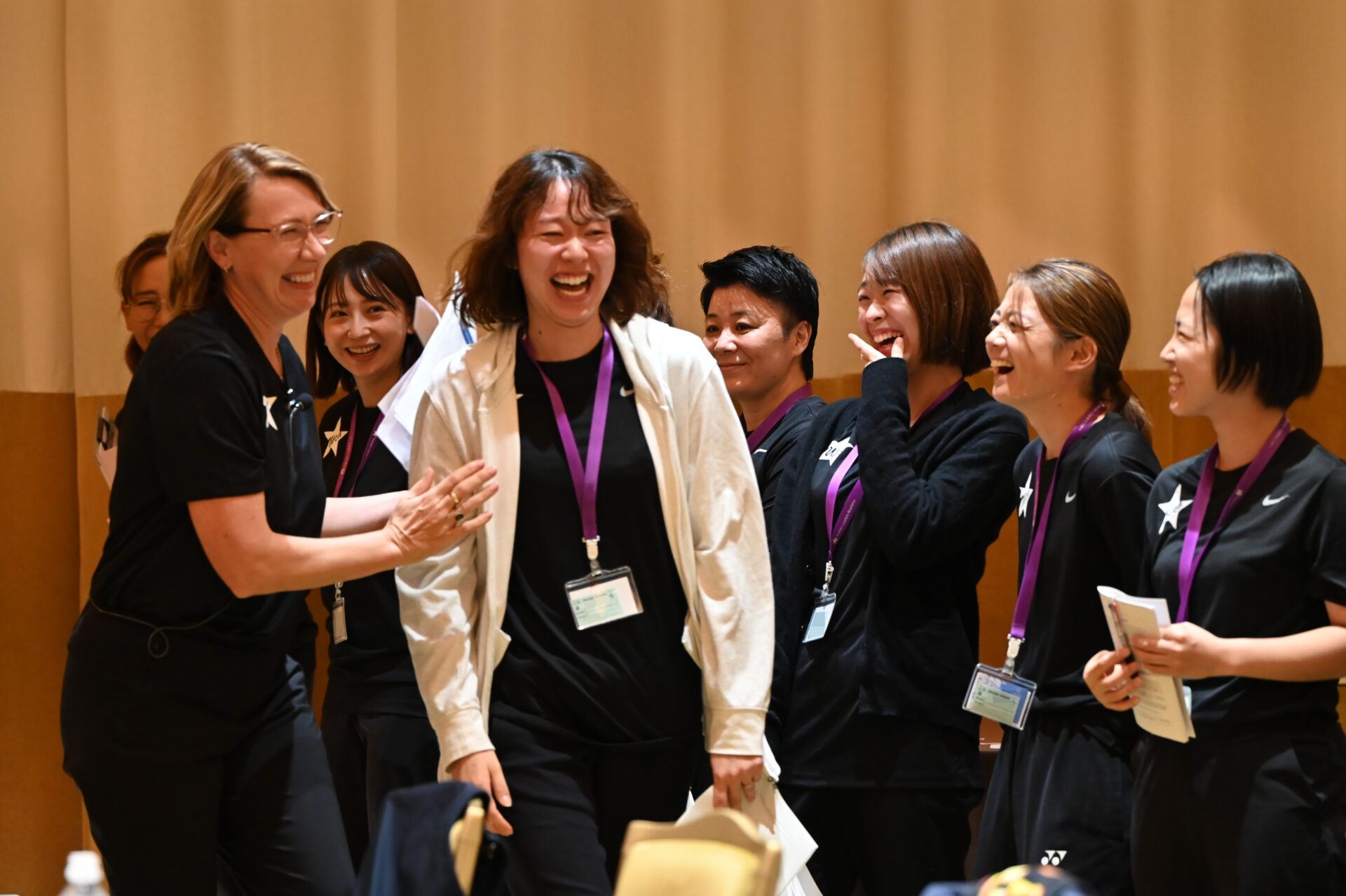
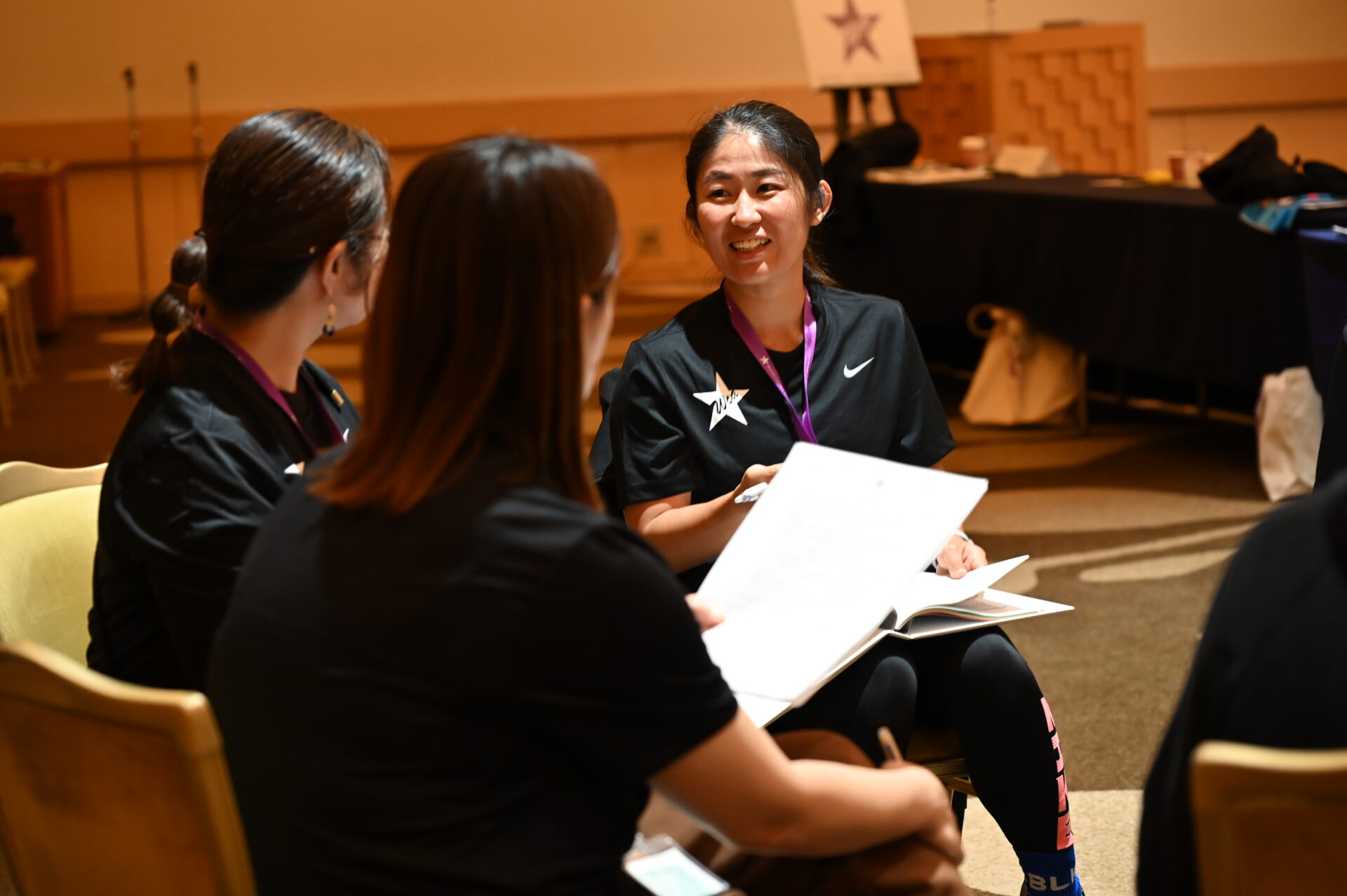
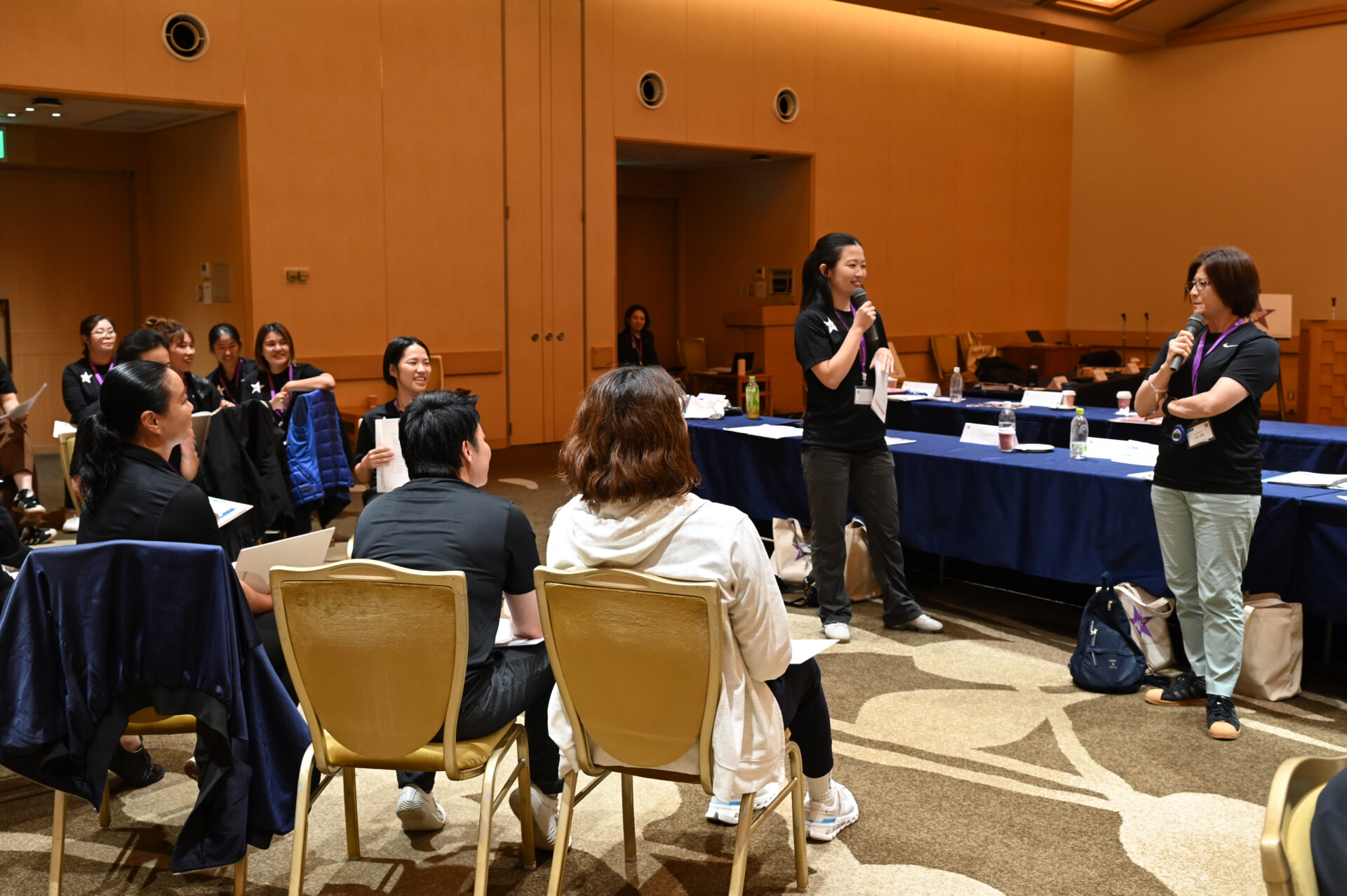
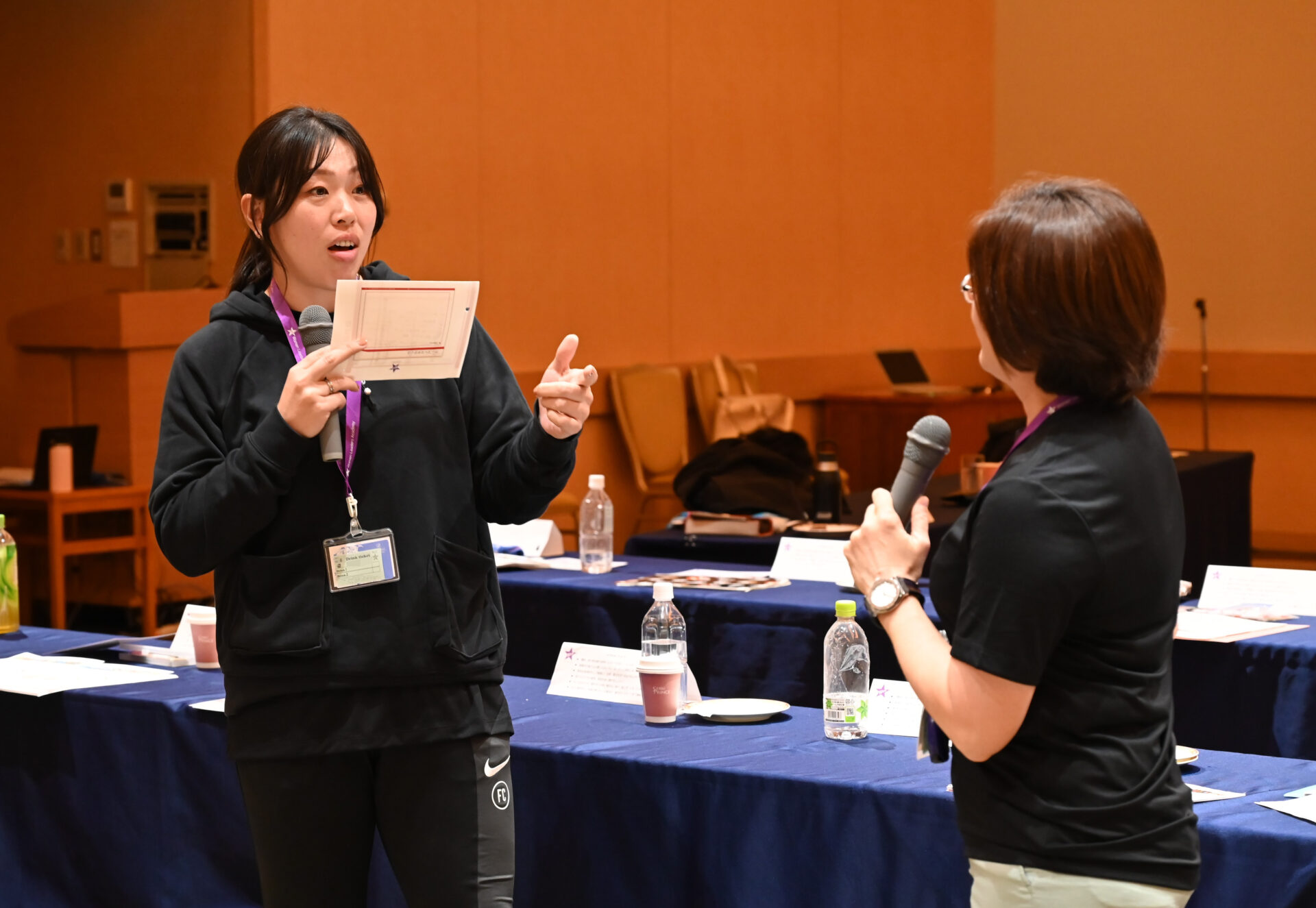
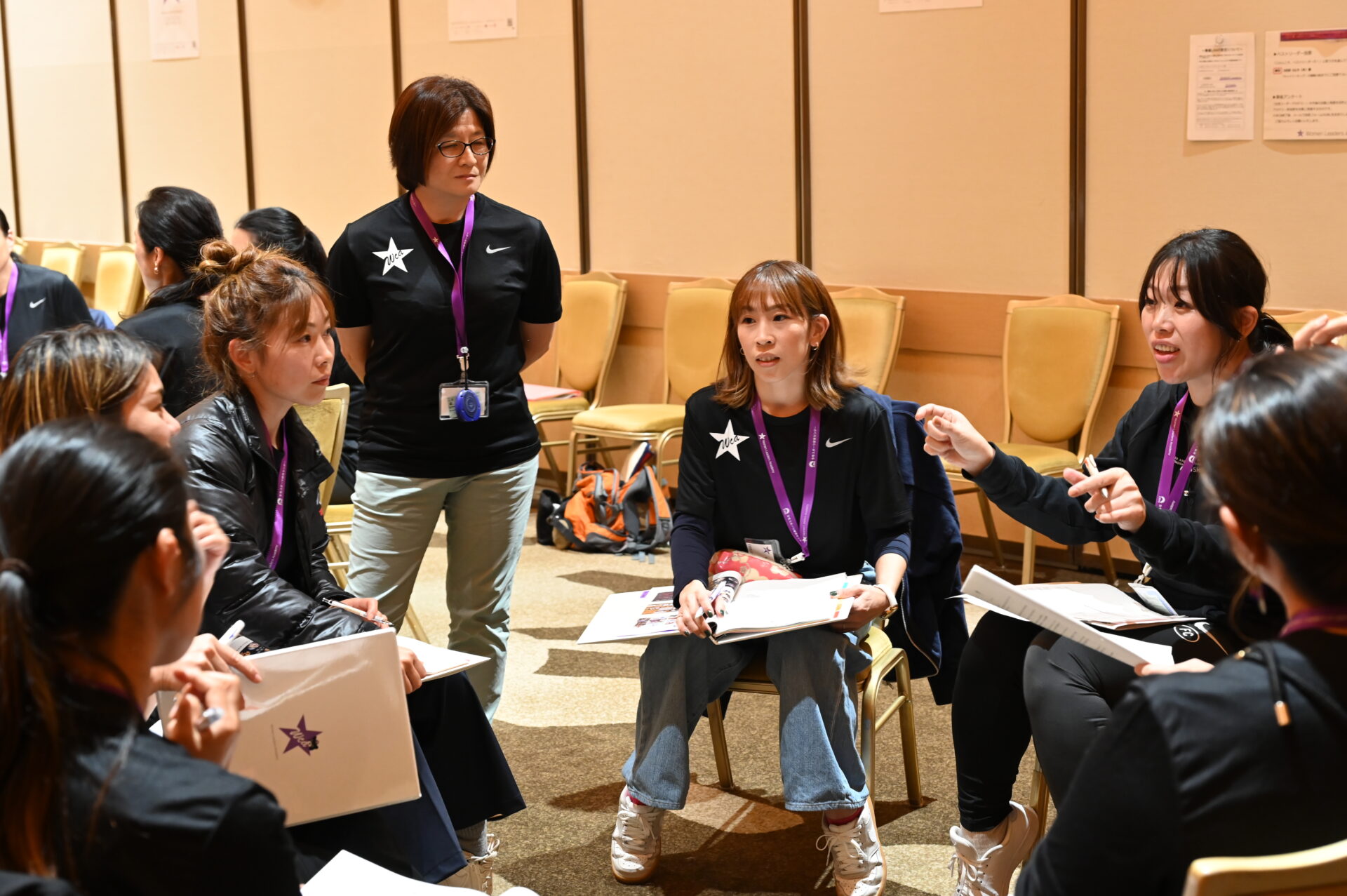
After learning the fundamentals and theory of CoachDISC, participants moved on to the “CoachDISC Case Study” session led by Ms. Maki Moriya, where they strengthened their ability to apply these concepts to communication with different types of athletes in their own coaching contexts.
The session began with an introduction to approaches tailored to individual athletes and techniques for delivering effective feedback. Ms. Moriya emphasized that “feedback is not about evaluation but about dialogue that promotes growth,” highlighting the importance of being specific, objective, and timely. She also introduced the “Good & Better” method, which acknowledges strengths before addressing areas for improvement. During group exercises, participants discussed case scenarios modeled on real coaching situations and practiced delivering feedback , with Ms. Moriya role-playing the athlete. This hands-on approach helped them develop greater flexibility in adapting their communication.
Ms. Moriya concluded the session by encouraging participants to “use feedback as an opportunity for self-reflection and to continually seek better ways of engaging with athletes.”
11The Significance of Diversity
and Inclusion and How to Promote Them
LecturerDr. Kanae Haneishi, Professor,
Western Colorado University
Shifting concepts of gender equality
embracing diversity and understanding one another
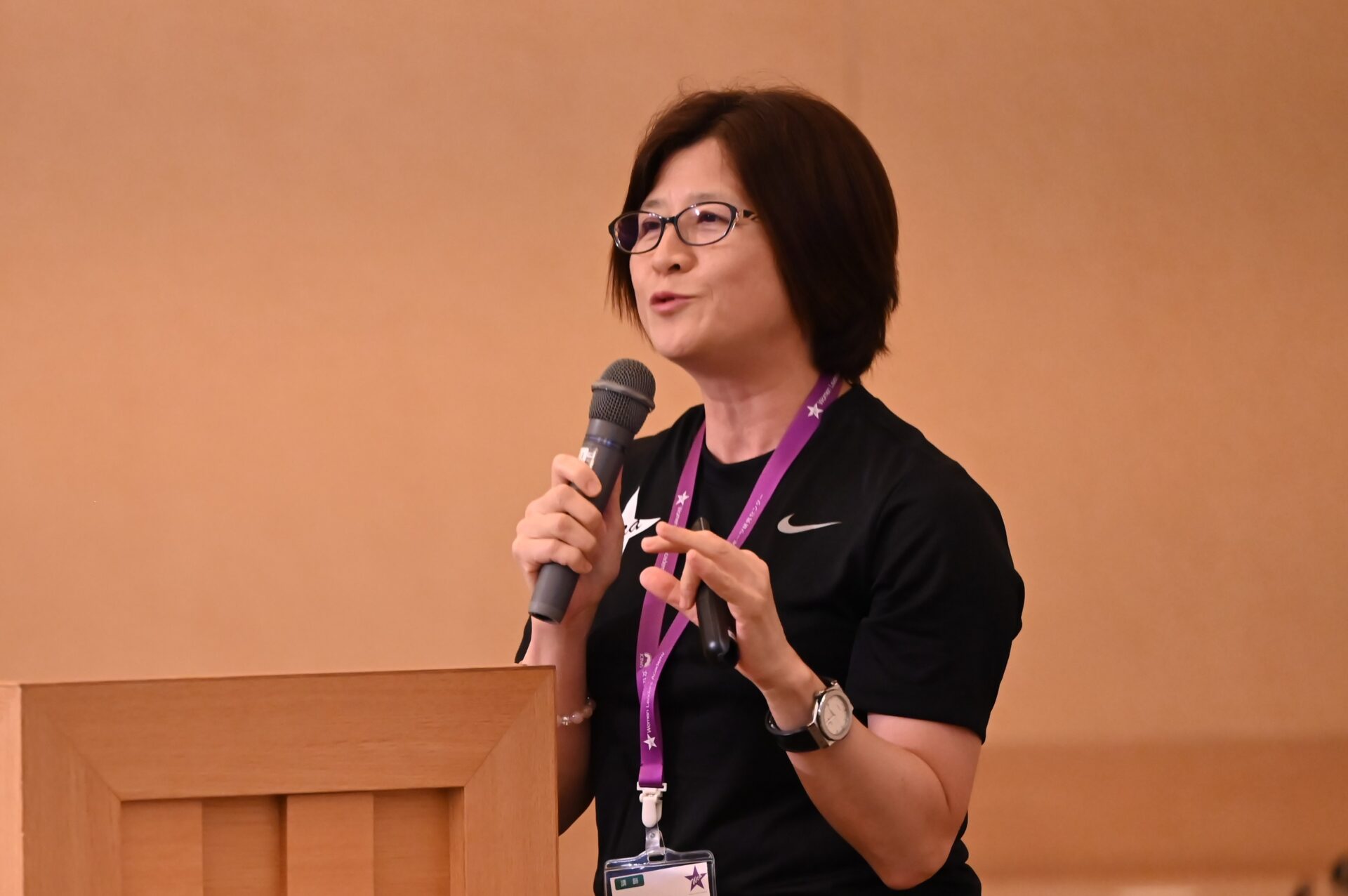
In this lecture, titled “The Significance of Diversity and Inclusion and How to Promote Them,” participants deepened their understanding of diversity in the field of sport and explored how they engage with athletes in their roles as leaders.
Joining from Colorado, Dr. Kanae Haneishi—drawing on her experiences as a former soccer player and coach, as well as her perspective as an educator at Western Colorado University—pointed out that social changes are influencing values and coaching styles within the sport environment.
She began by addressing the presence of unconscious bias, emphasizing that the goal is not to eliminate it entirely, but to recognize it and adopt a mindset that allows us to confront it constructively. She also introduced the concept of Universal Design for Learning (UDL), explaining the importance of designing instruction, expression, and learning opportunities in ways that take into account individuals’ diverse backgrounds and characteristics.
Dr. Haneishi concluded by stating that “understanding individual differences and creating environments where people from diverse backgrounds can thrive is a core responsibility of today’s leaders.” Her message encouraged participants to reexamine their own leadership practices and translate those reflections into action.
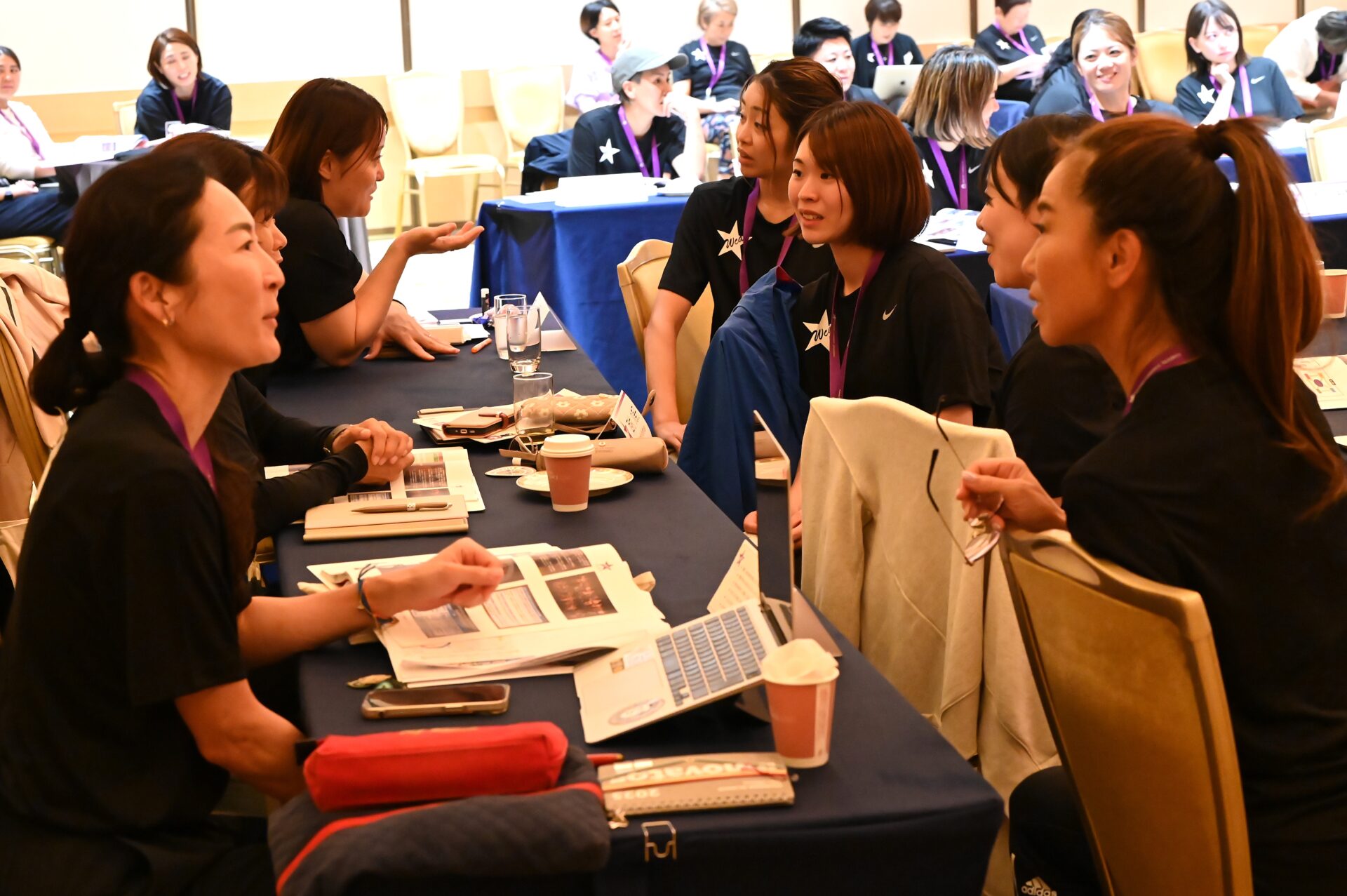
12Sport and Gender
LecturerDr. Rieko Yamaguchi, Associate Professor,
Faculty of Business Administration, Josai University
Start with what’s close to you
Transforming gender structures in sport
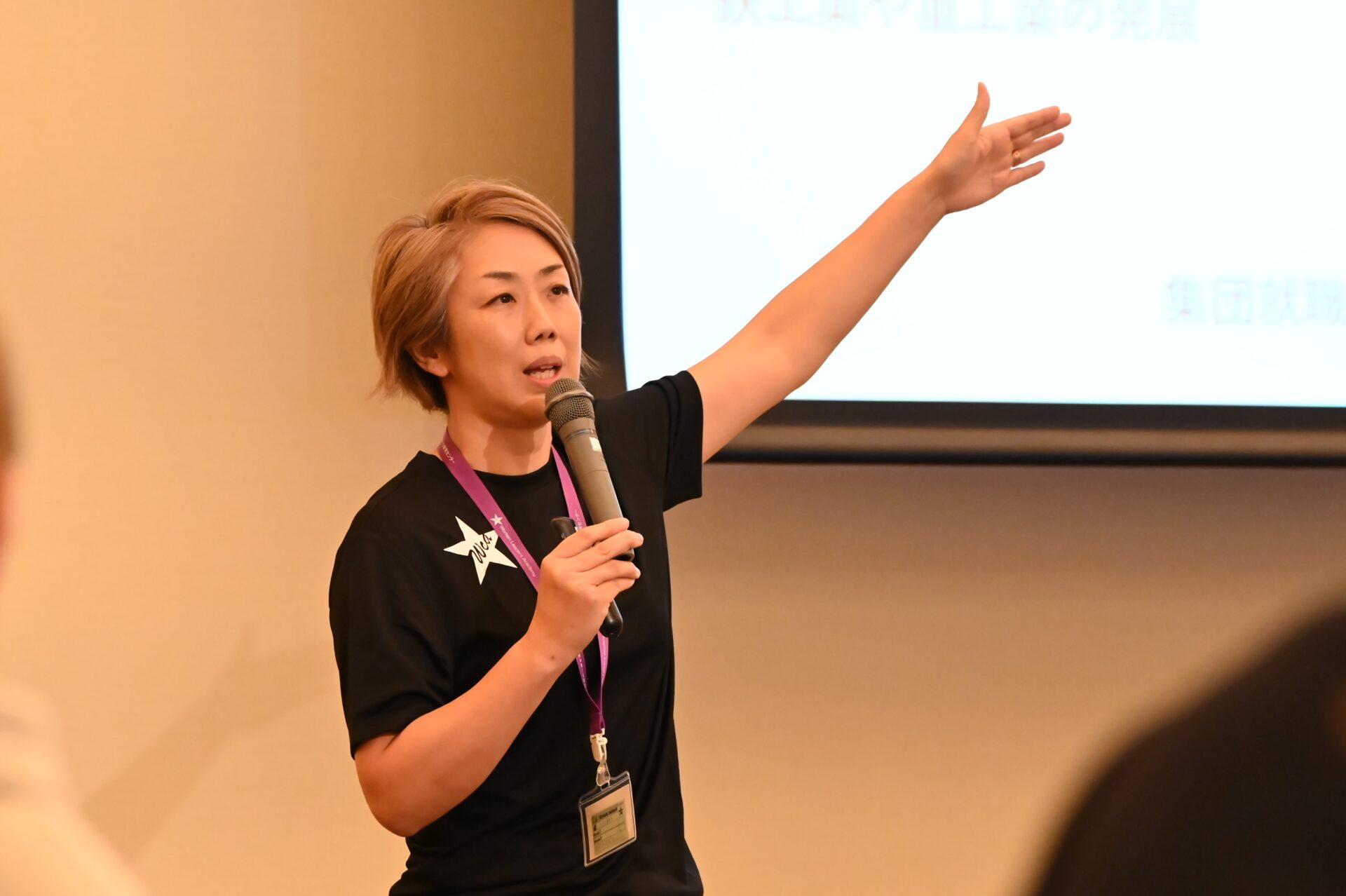
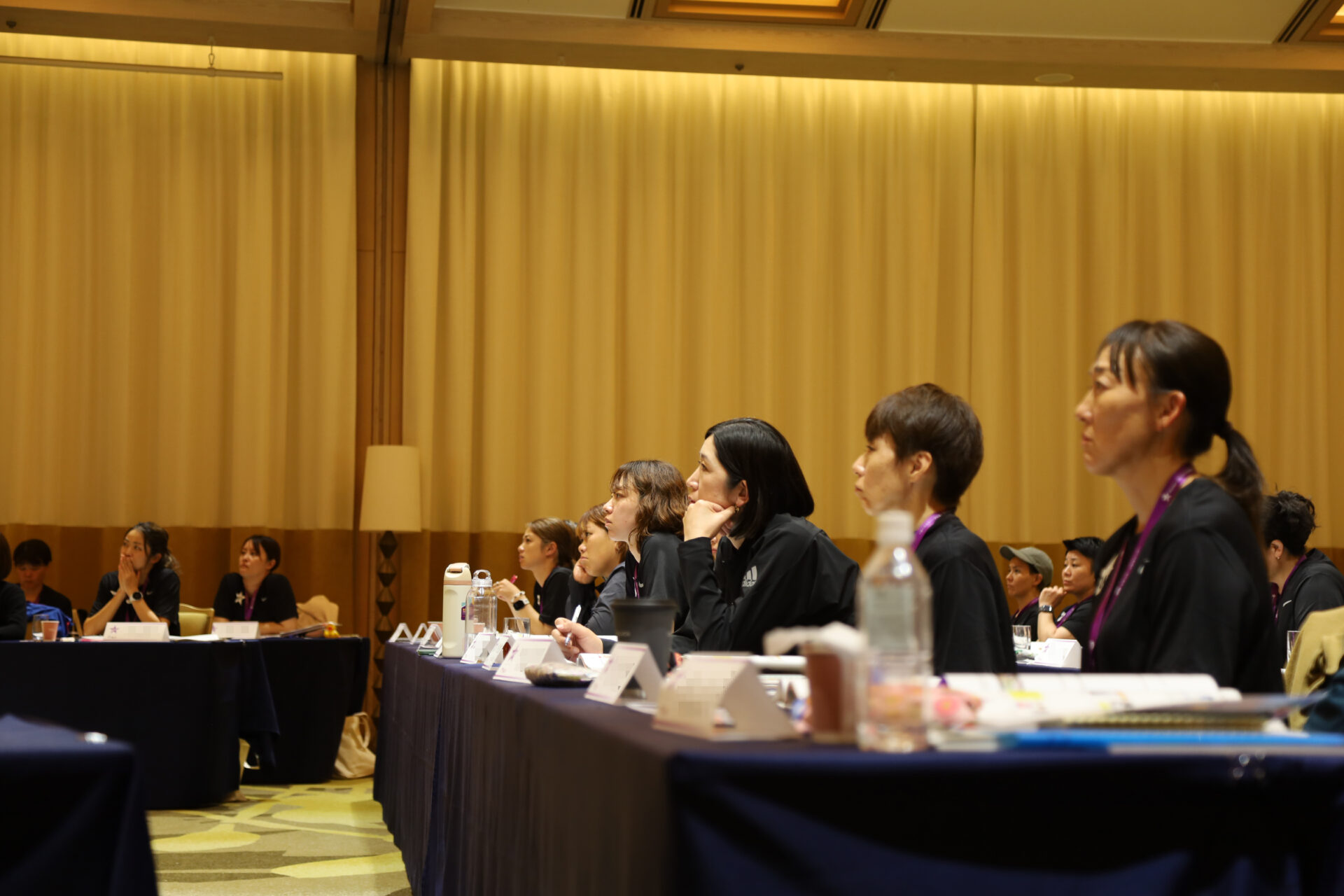
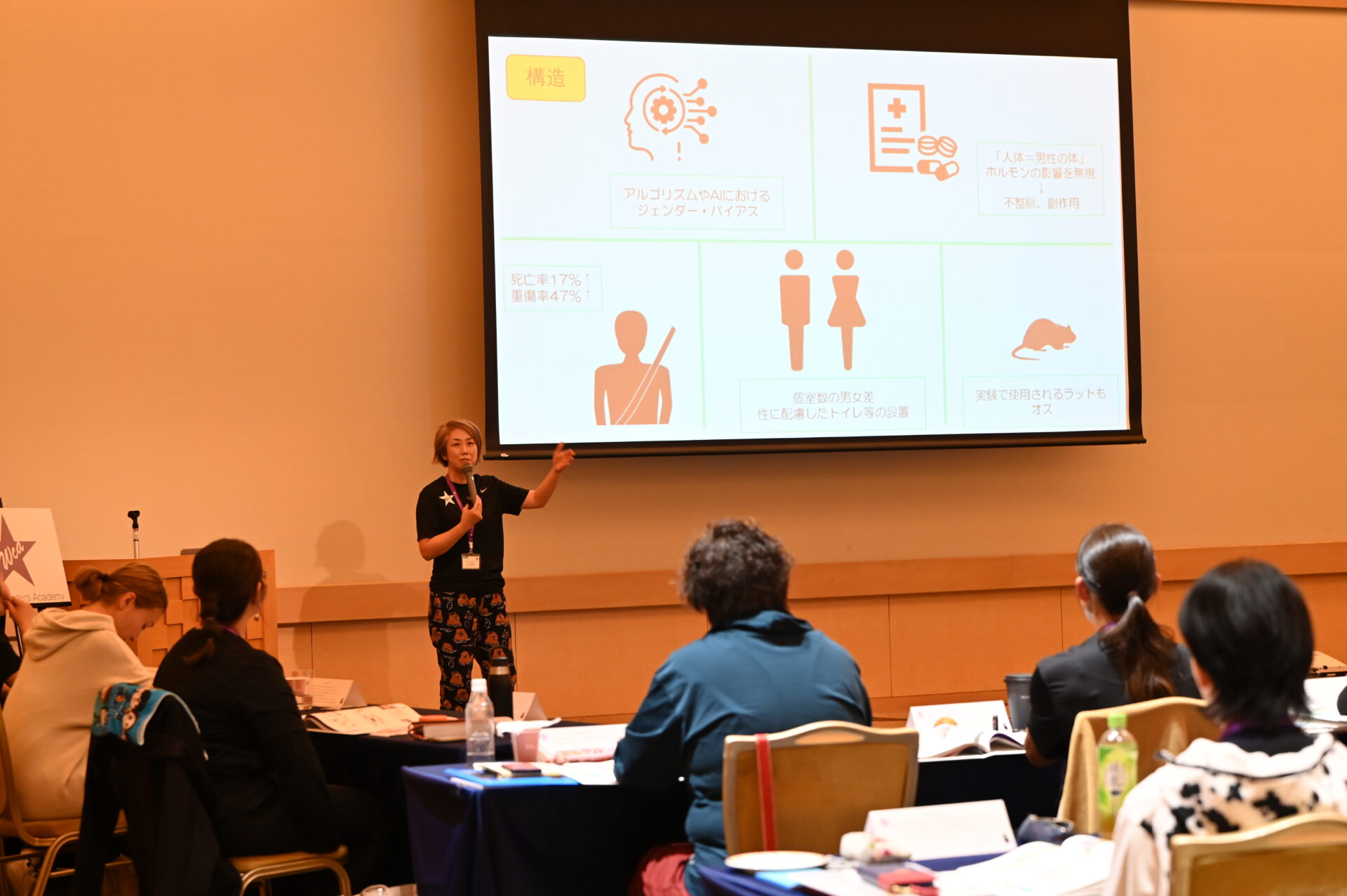
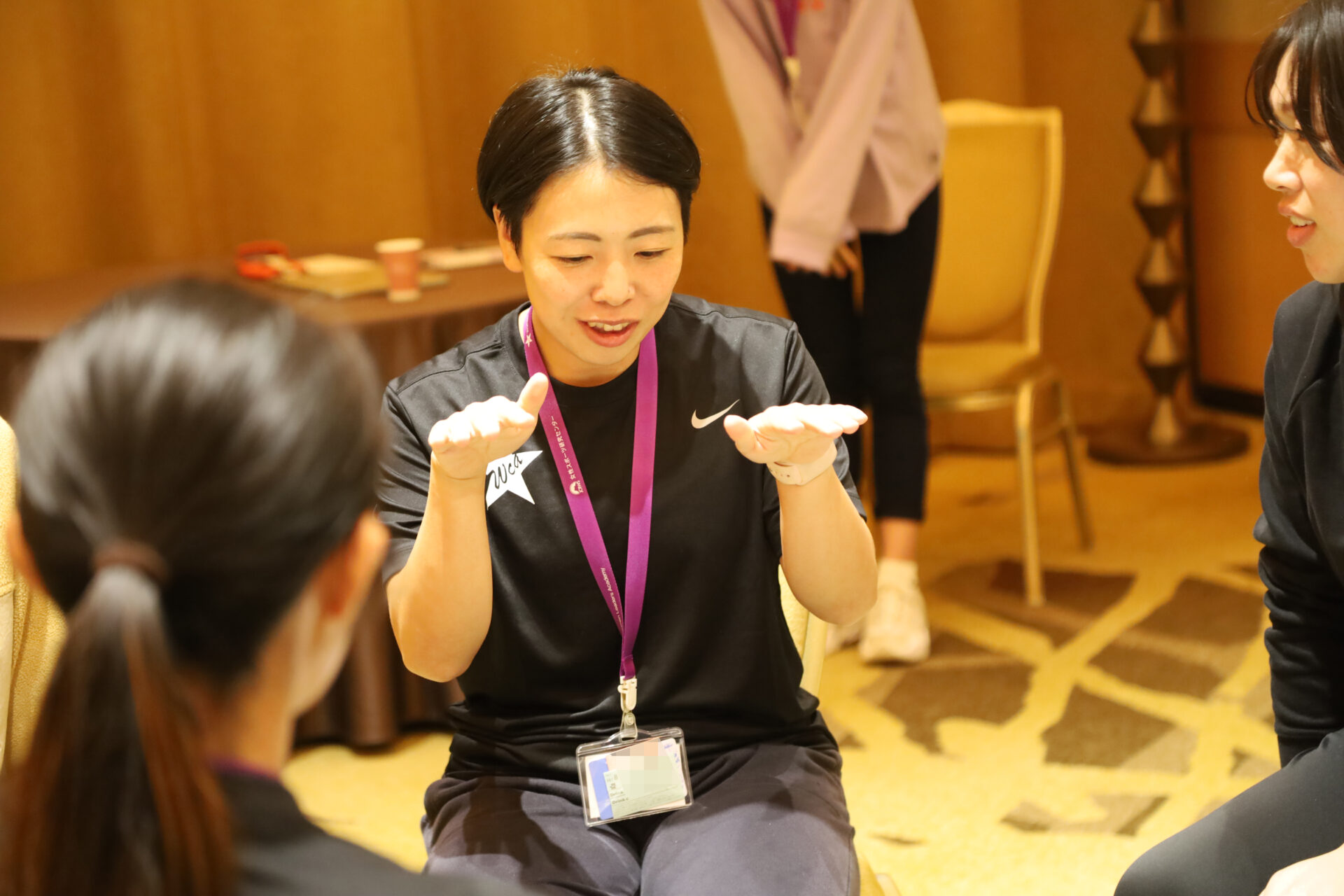
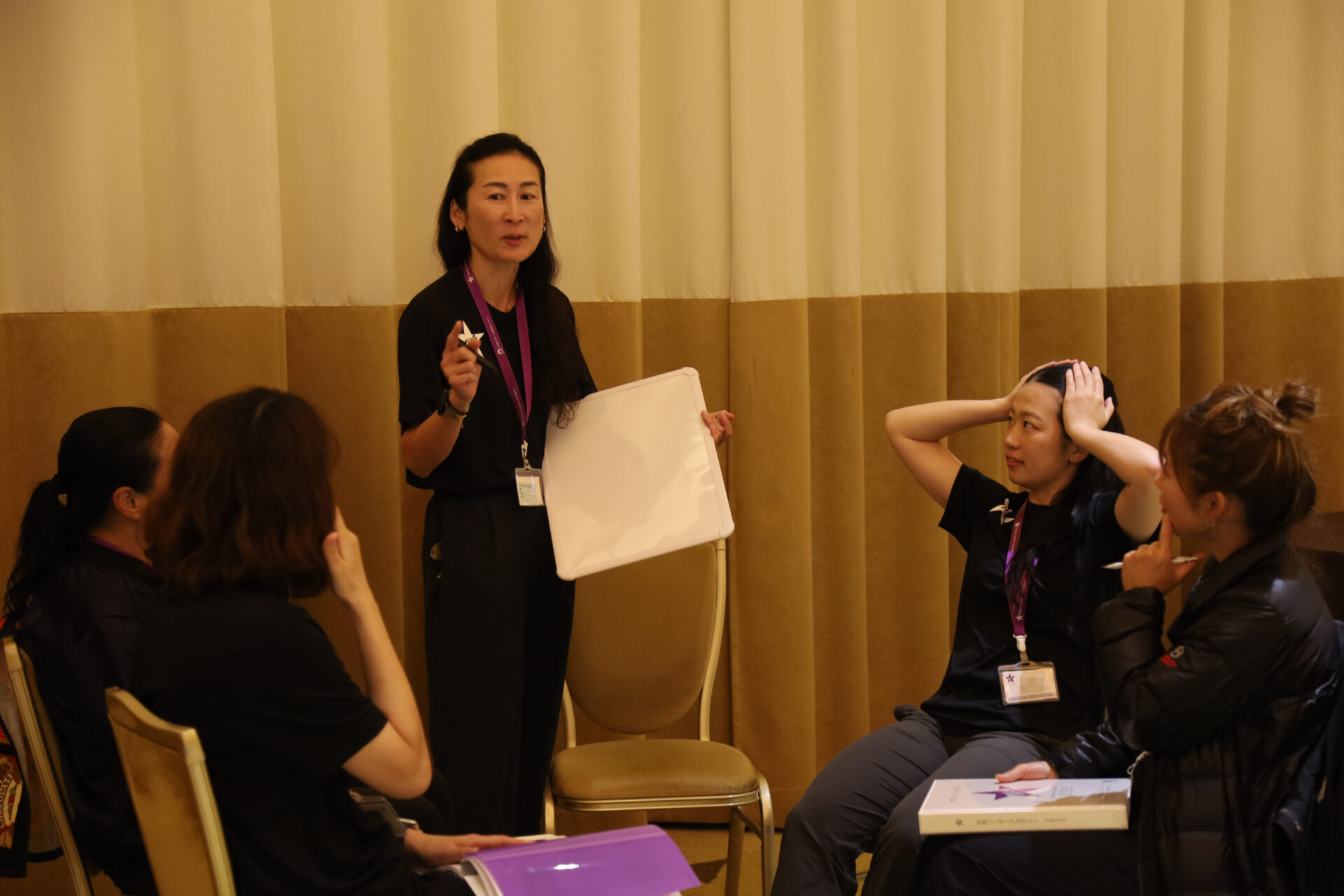
Dr. Rieko Yamaguchi provided a cross-cutting overview of gender concepts, structural inequalities in society, and the concrete challenges visible in the world of sport, and she highlighted deeply rooted gender biases—shaped not only by postwar gender role divisions, but also embedded across broader social fields such as AI, medicine, and public facility design. Building on the historical context of how modern sport developed around male norms, she shed light on persistent issues that remain today, including restrictions on female athletes’ participation, biased media coverage, and harassment in coaching and training environments.
In the latter half of the lecture, participants reflected on their own experiences and discussed ways of addressing gender bias, as well as practical actions for shifting mindsets. During group work, they engaged in lively discussions around the theme, “What can we do now to transform gender structures in sport?”
Dr. Yamaguchi concluded by emphasizing the power of solidarity, encouraging participants with the message: “What matters is joining forces. Start with what is close to you—begin with what you can do right now.”
13Leadership & Collaboration
LecturerMs. Lisa O’Keefe, IWG Secretary General (2022-2026)
InterpreterDr. Kanae Haneishi, Professor, Western Colorado University
Moving the future forward together
Practicing leadership and collaboration
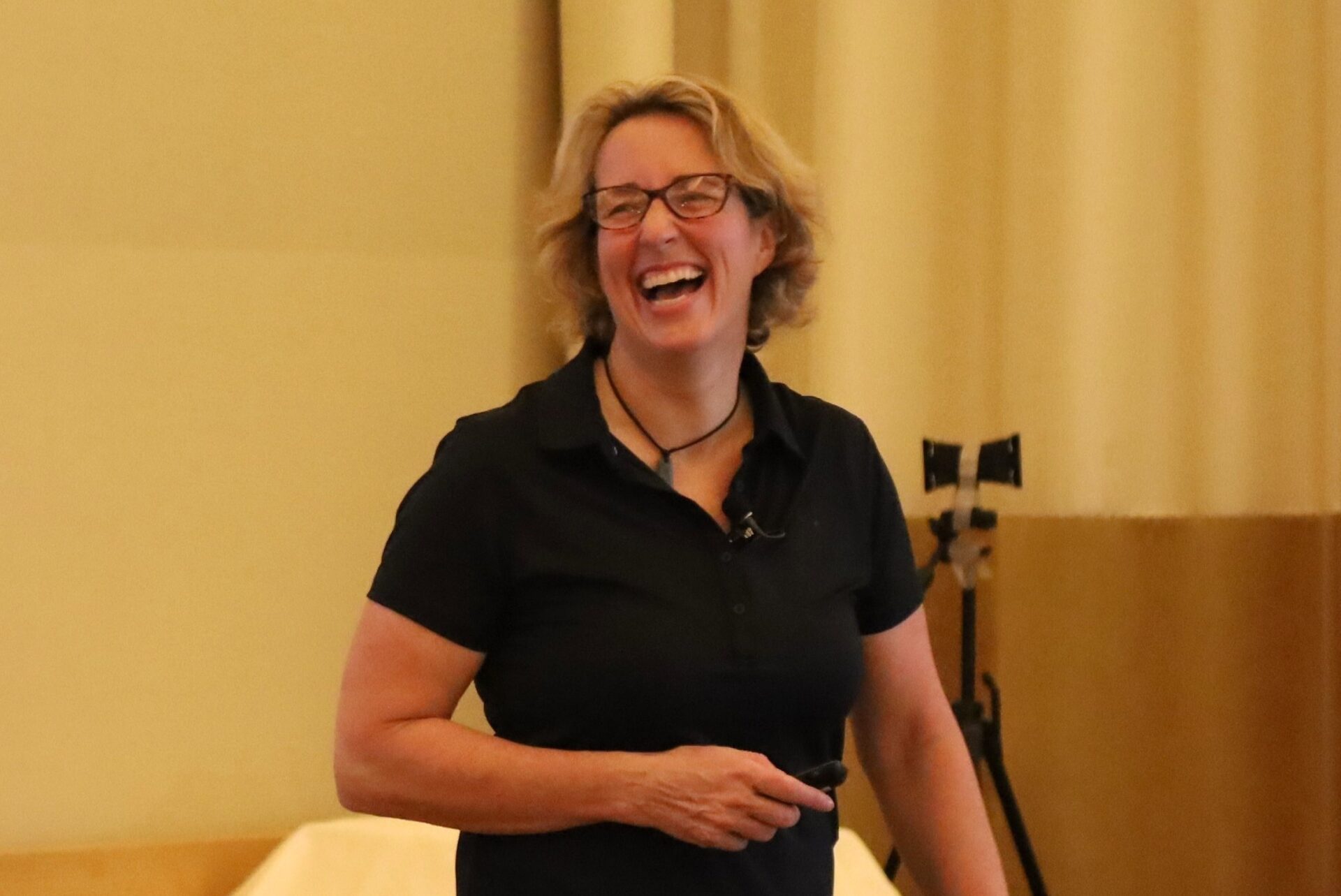
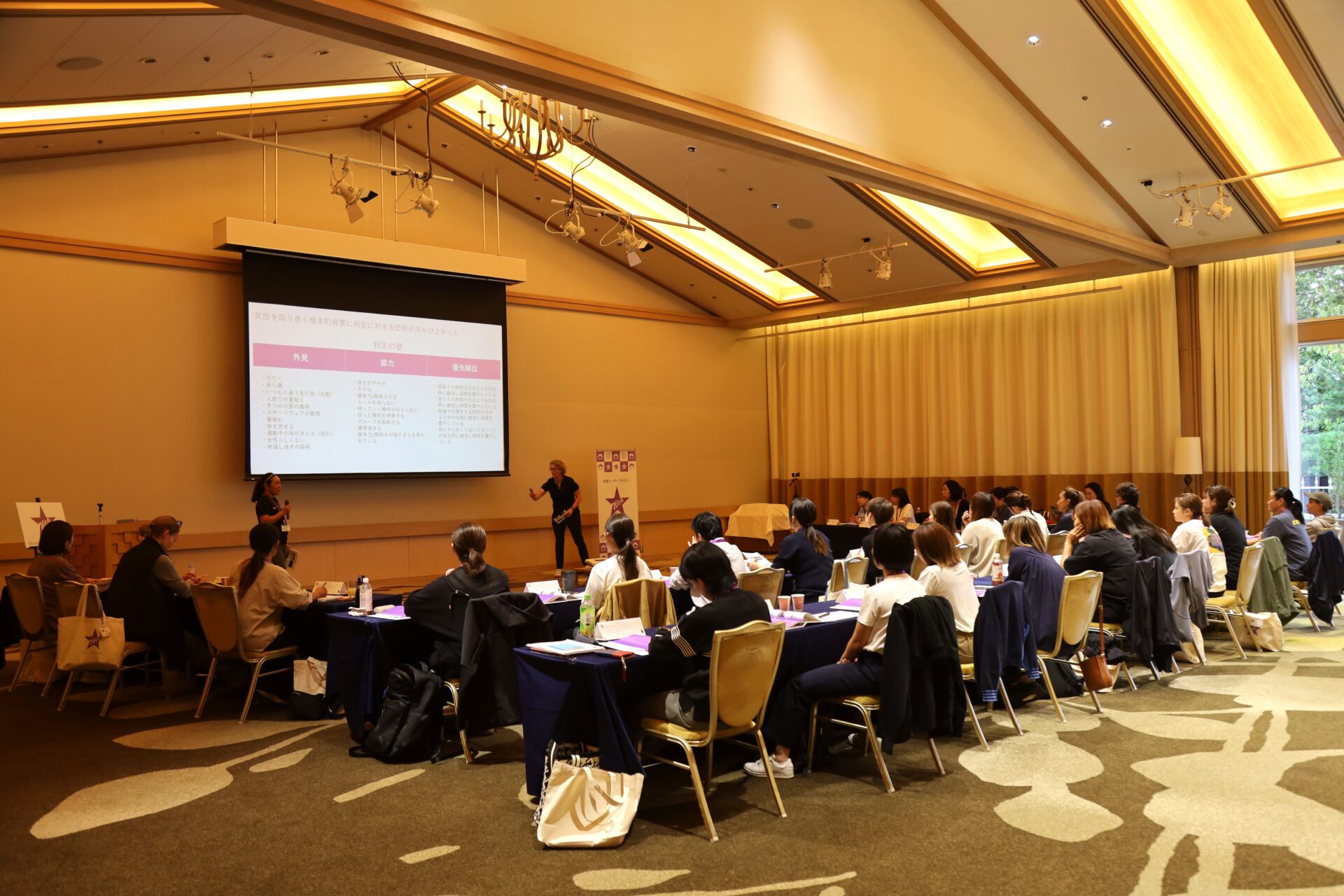
In a lecture delivered by Ms. Lisa O’Keefe—former member of the Scotland national rugby team and a long-time leader in advancing women’s sport at Sport England—participants explored leadership and collaboration through powerful messages grounded in her extensive experience.
Ms. O’Keefe defined leadership as “the ability to articulate a clear vision and guide people toward it,” and collaboration as “working together toward a shared purpose.” She then explained the essential differences between the two and how they interact to create meaningful impact.
During the session, she introduced This Girl Can, the national campaign she led to increase women’s participation in sport. She shared how the campaign brought visibility to psychological barriers—such as concerns about appearance or ability—that prevent women from engaging in sport, and how it ultimately grew into a broader social movement. She also emphasized the crucial role of cross-sector collaboration, including partnerships with private companies and the use of data analysis during the COVID-19 pandemic, in driving sustainable change. In addition, she spoke candidly about the challenges and dilemmas she faces in her current role as Secretary General for the upcoming IWG Global Summit 2026.
Ms. O’Keefe closed the lecture by stating, “Change cannot be created alone. Acting together with others is the essence of true leadership,” encouraging each participant to reflect on their own role in driving transformation within their organizations and communities.
14Navigating the Future
for Women Sports Leaders
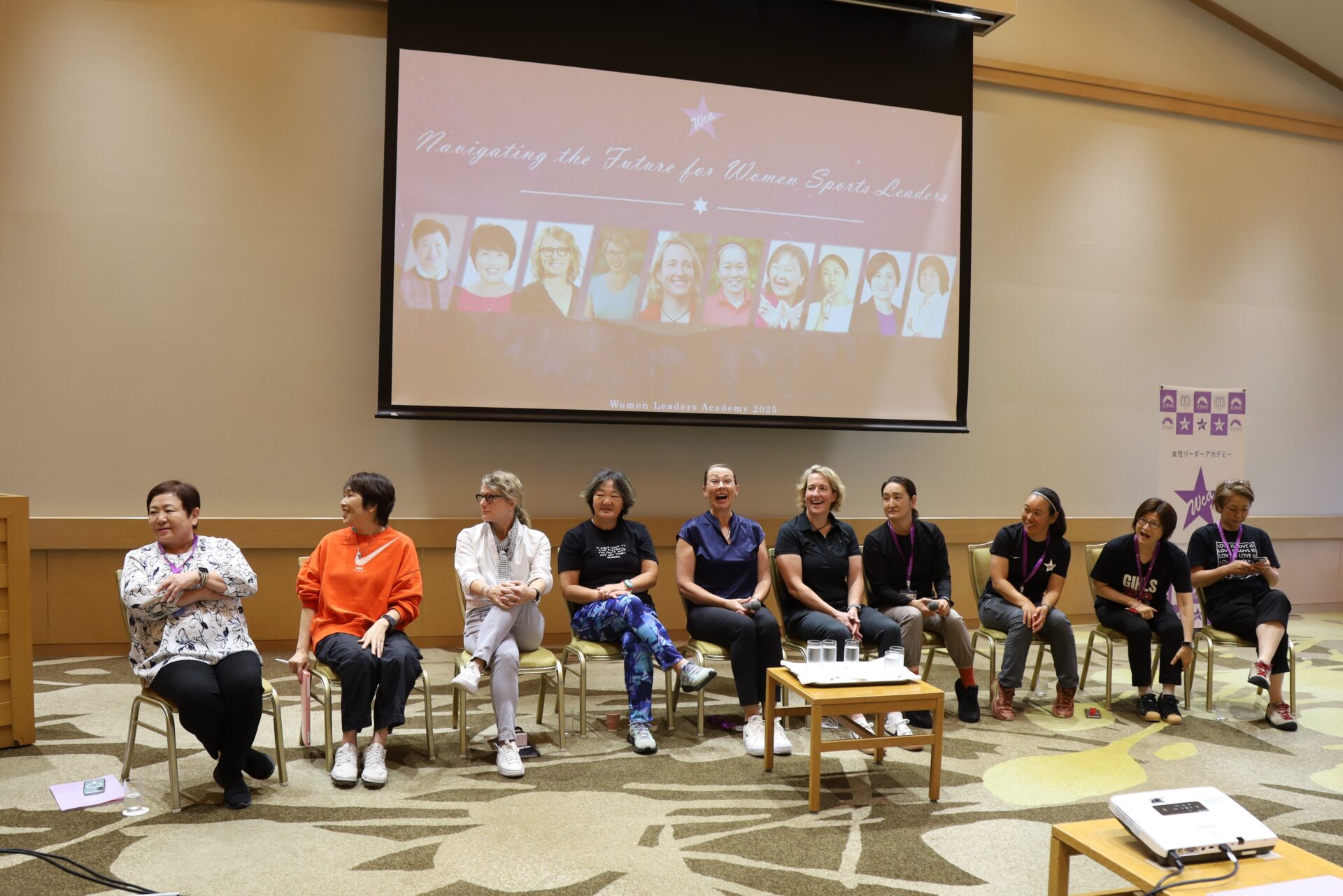
PanelistsDr. Nicole LaVoi
Ms. Elizabeth Masen
Ms. Lisa O'Keefe
Dr. Kanae Haneishi, Ms. Miyuki Kobayashi
Ms. Maki Moriya, Dr. Natsue Koikawa
Dr. Rieko Yamaguchi, Dr. Maki Itoh,
CoordinatorDr. Etsuko Ogasawara
Learning into action
New leadership from the connection
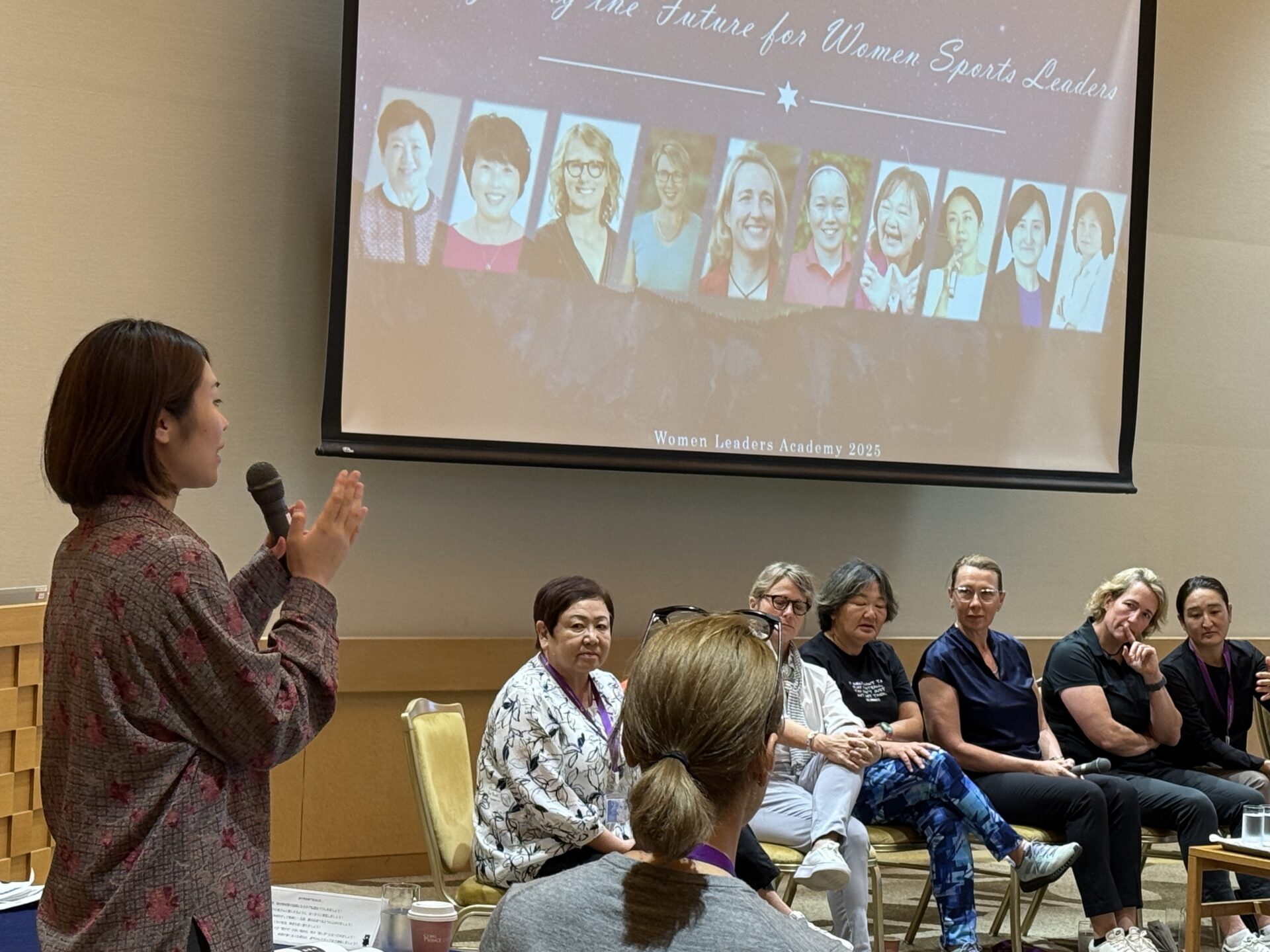
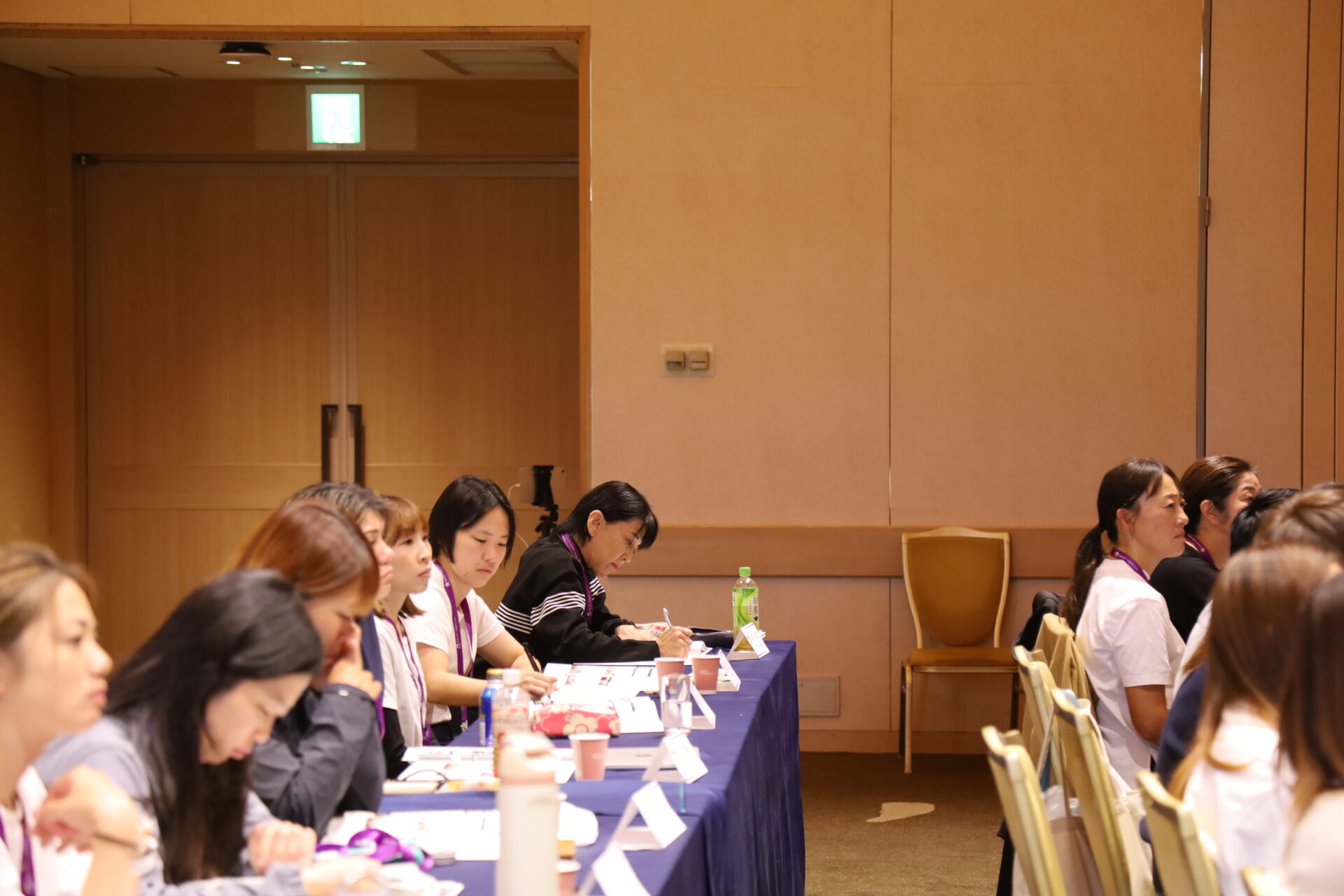
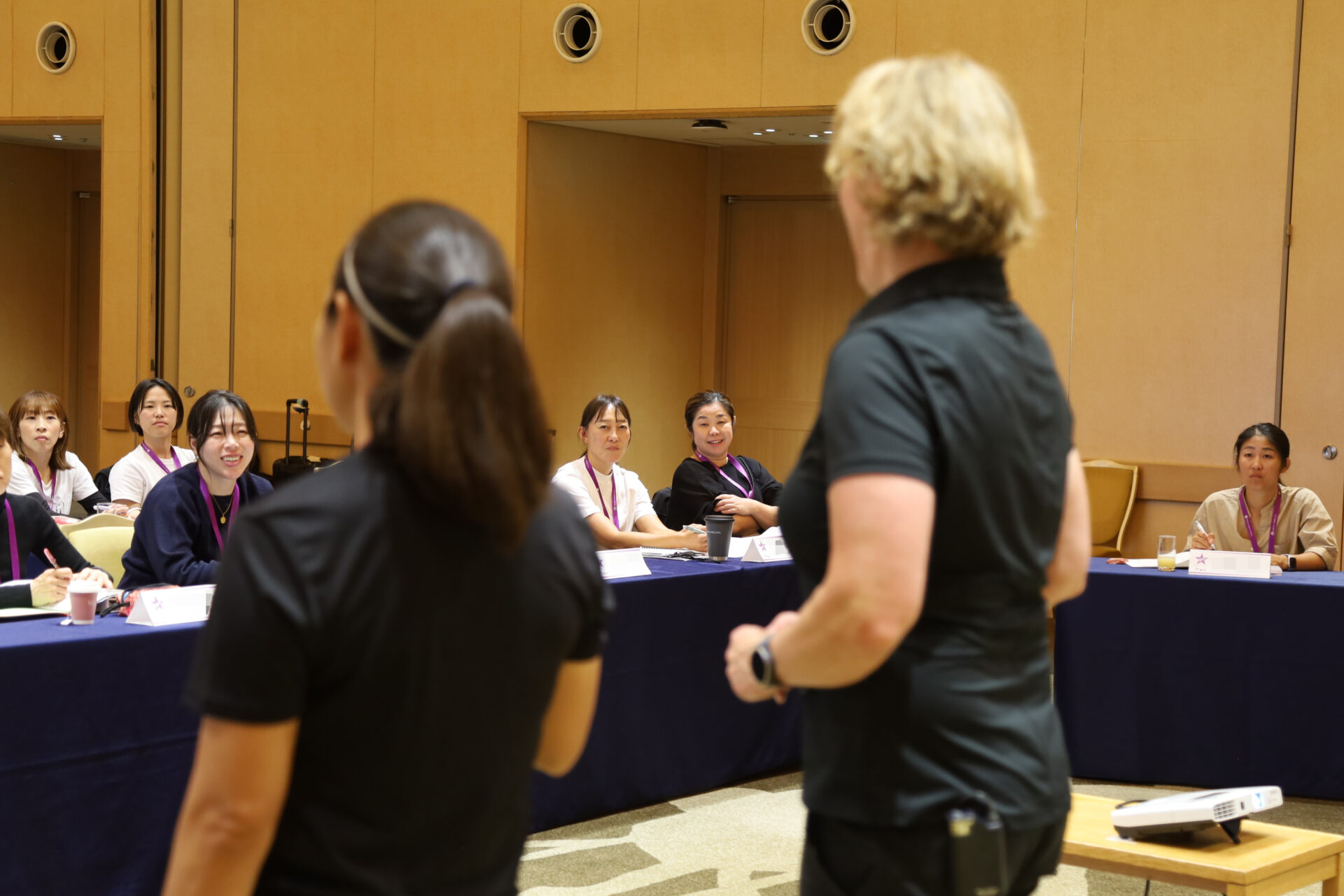
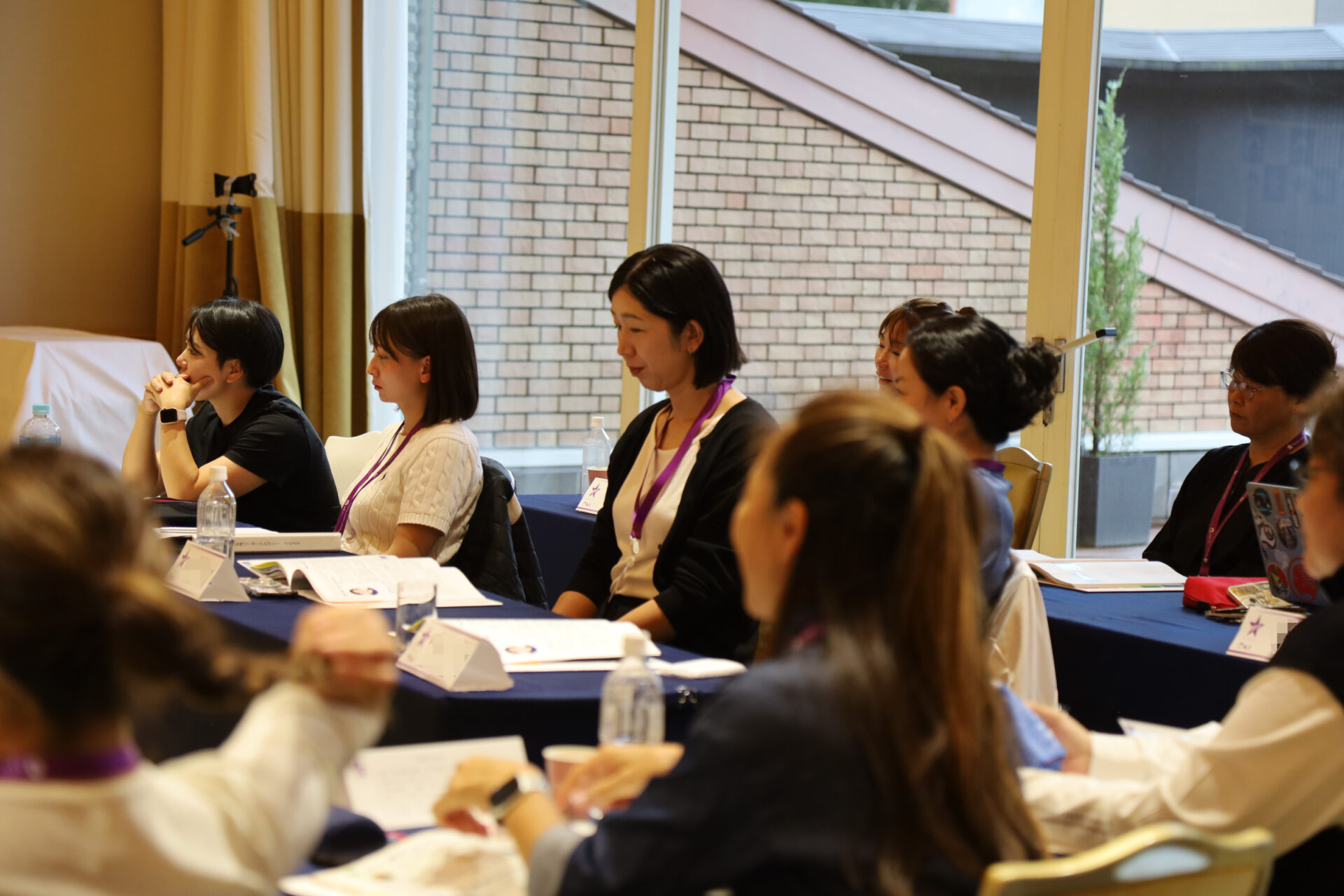
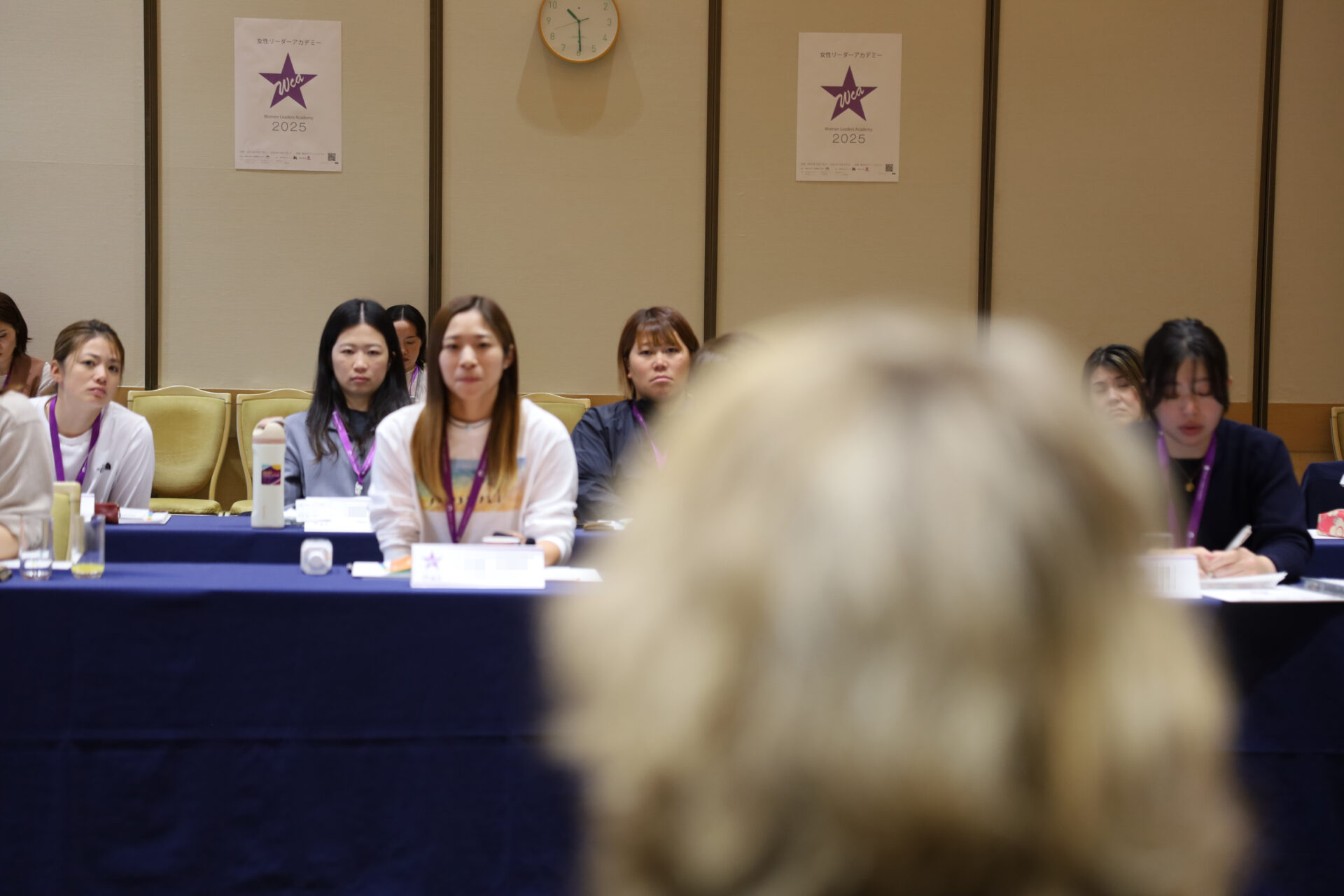
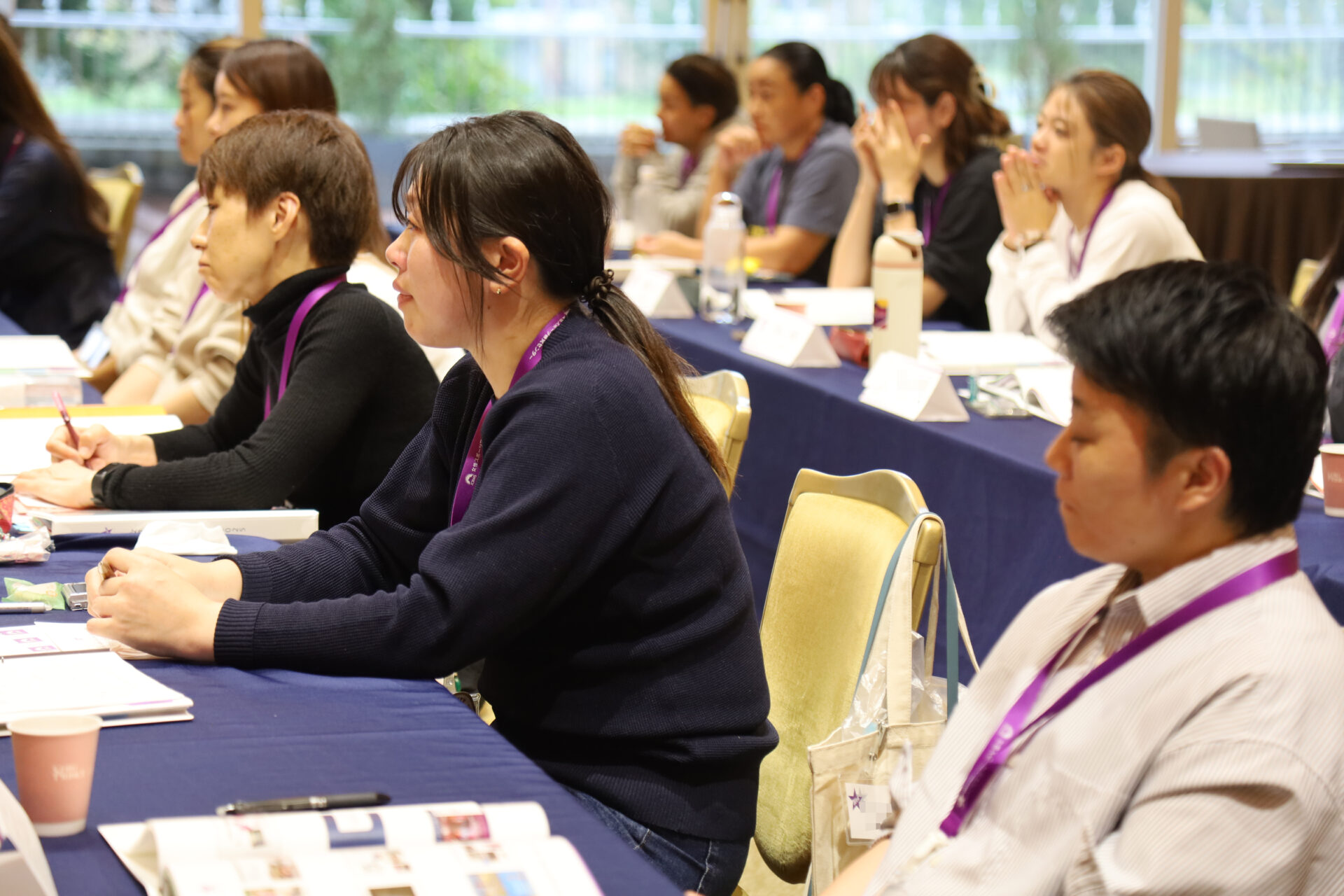
The panel discussion offered an opportunity to reflect on the learnings from the three-day program and to consider how each participant might take action and envision their future path. As participants from a wide range of professions and fields engaged with one another, new perspectives emerged—allowing them to view sport from diverse standpoints and revealing possibilities for collaboration that transcend individual areas of expertise.
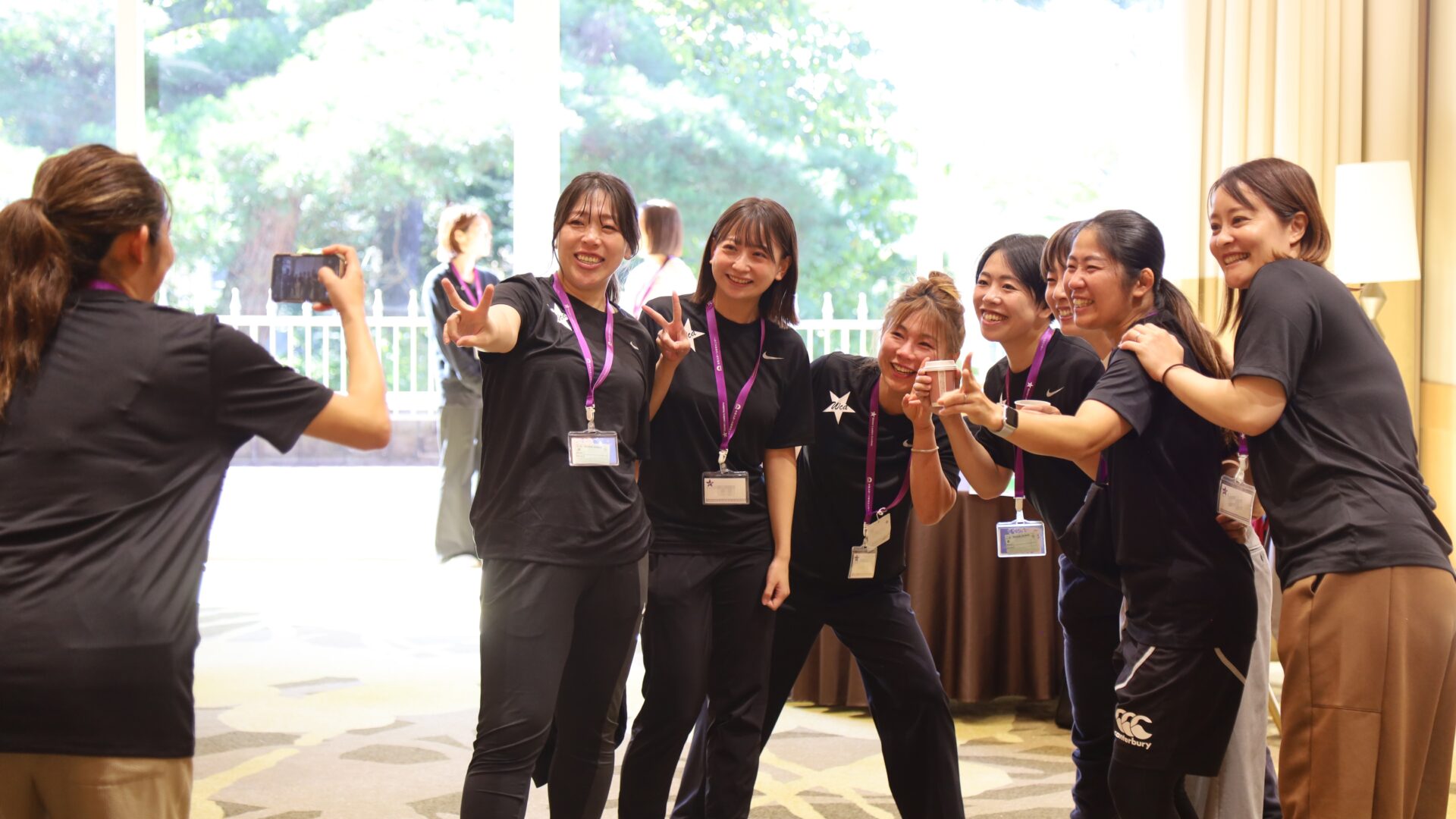
Participants shared how the passion they encountered at WCA inspired them, expressing pride in being women, confidence in their ability to create change through action, and deep appreciation for the connections they built with one another.
The panelists repeatedly emphasized the importance of translating knowledge into action and accumulating small steps toward change. They noted that leadership does not require perfection; rather, it is grounded in the courage to take the first step. They encouraged participants to grow as leaders who can flexibly draw on both traditionally “masculine” and “feminine” qualities, leverage their expertise, and engage those around them.
In the latter part of the Q&A session, topics such as childcare and maternity leave were also discussed, with participants sharing their own experiences and advice alongside insights from the panelists.
Under the shared message that “some things cannot be changed alone, but can be realized through connection,” participants reaffirmed the value of community and networks. The panel concluded by encouraging attendees to continue making use of the WCA network—now comprising more than 300 alumnae—as a platform for shared learning and sustained action.
15Networking
LecturerMs. Miyuki Kobayashi, President,
Japan University Women Football Association
The power that leads to action
The transformation generated by the network
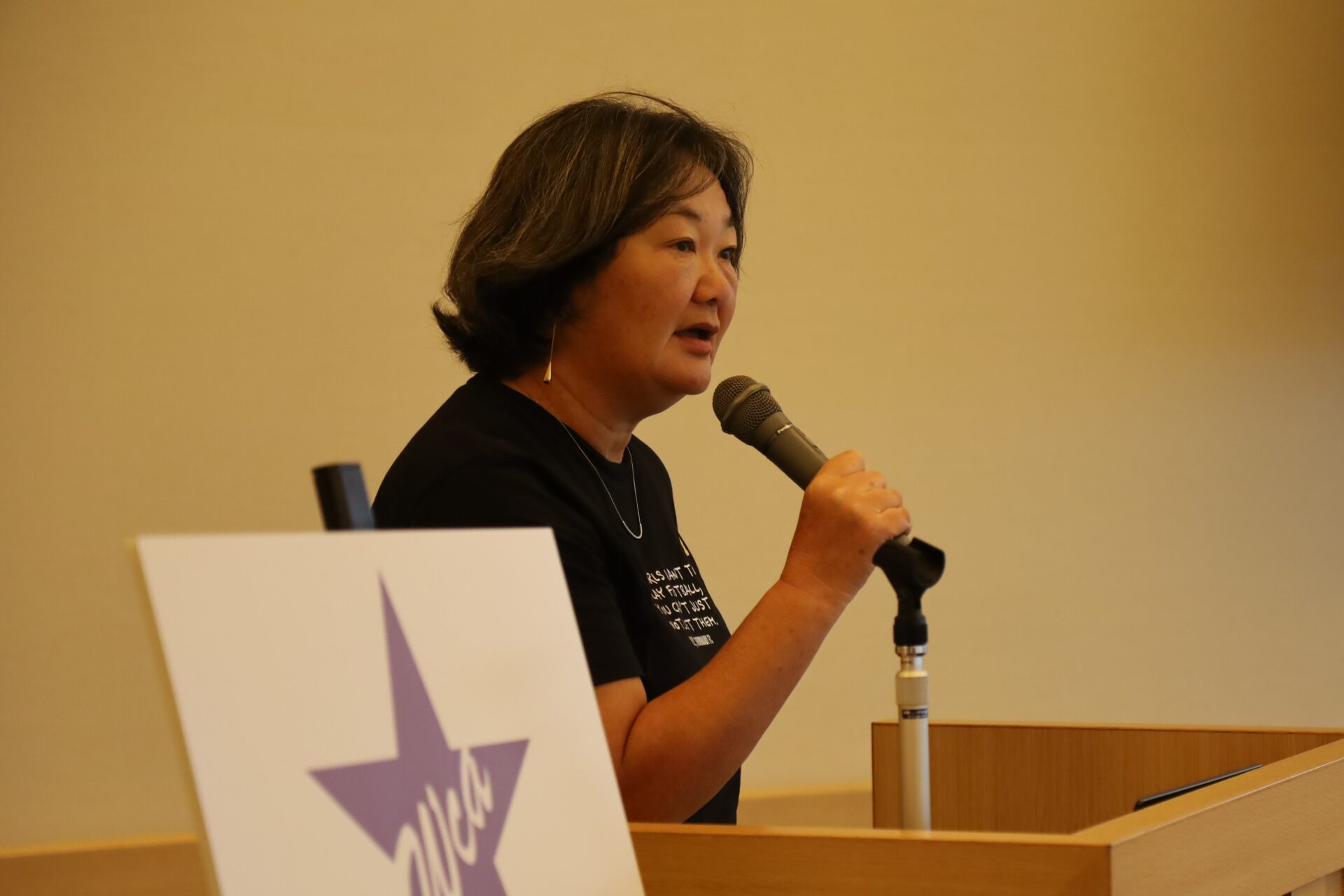
The final lecture, delivered by Ms. Miyuki Kobayashi, focused on the theme of “Networking.” For more than 30 years, Ms. Kobayashi has run “BRIDGE,” a study-abroad support program for women’s football. She also works on the ground with JEF United Ichihara Chiba Ladies, where she is committed to developing women leaders and advancing change within the sport.
She began by introducing the background and core philosophy behind the establishment of the WE League, where she has served as a board member since its launch in 2021. Alongside efforts to bring this philosophy to life, she spoke candidly about the realities she has encountered—including defamatory comments on social media, challenges in securing sponsors, and a general lack of understanding of the league’s philosophy. Her reflections highlighted both the difficulty of professionalizing women’s sport in Japan and the pressing need for transformation.
In the latter half of the session, each participant presented her own “action plan,” drawing on what she had learned over the three days. Their commitments spanned a wide range of areas, from implementing anti-harassment measures and promoting community sport to providing life-stage-appropriate support and advancing initiatives in educational settings. One after another, participants articulated concrete steps they were ready to take in their respective contexts.
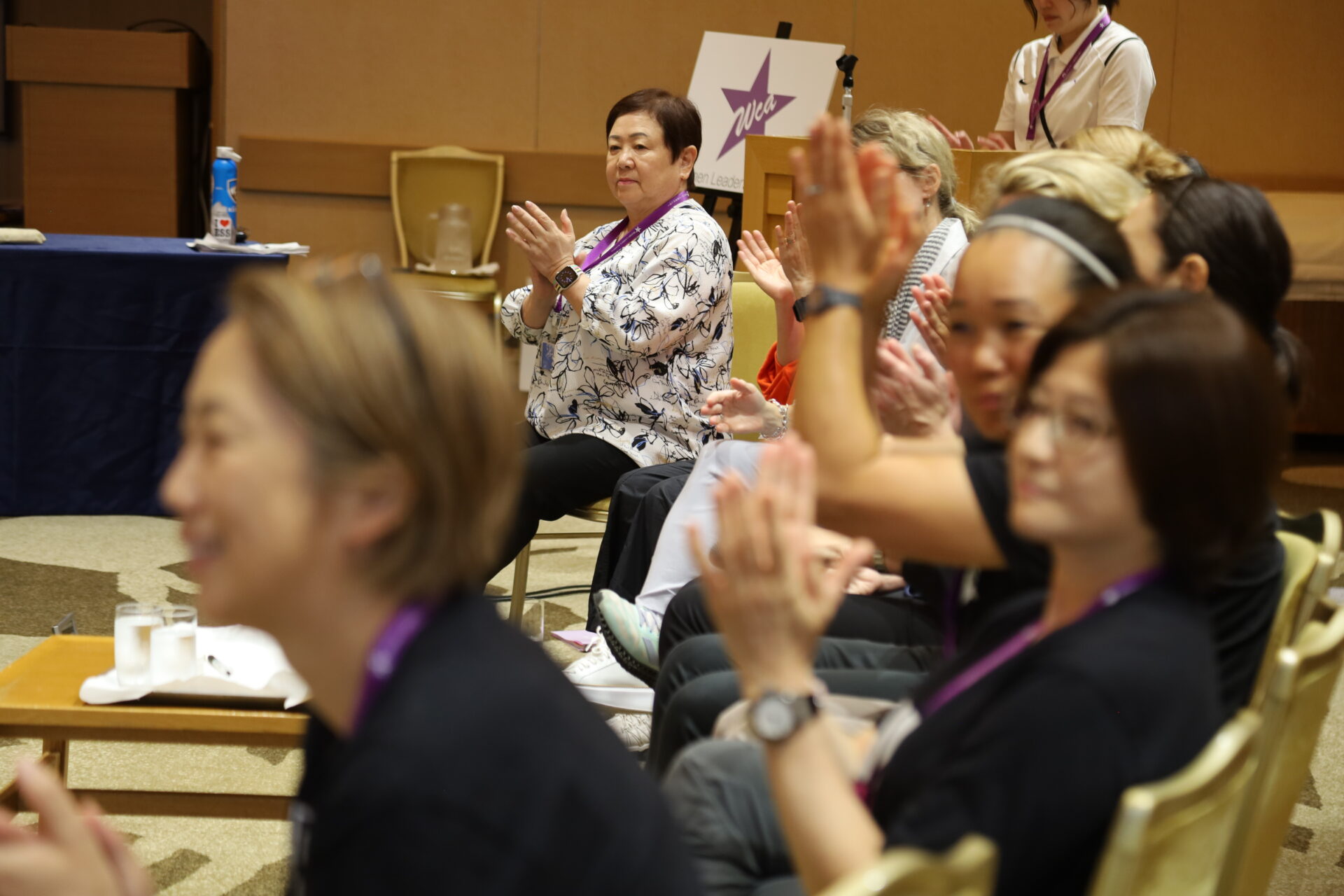
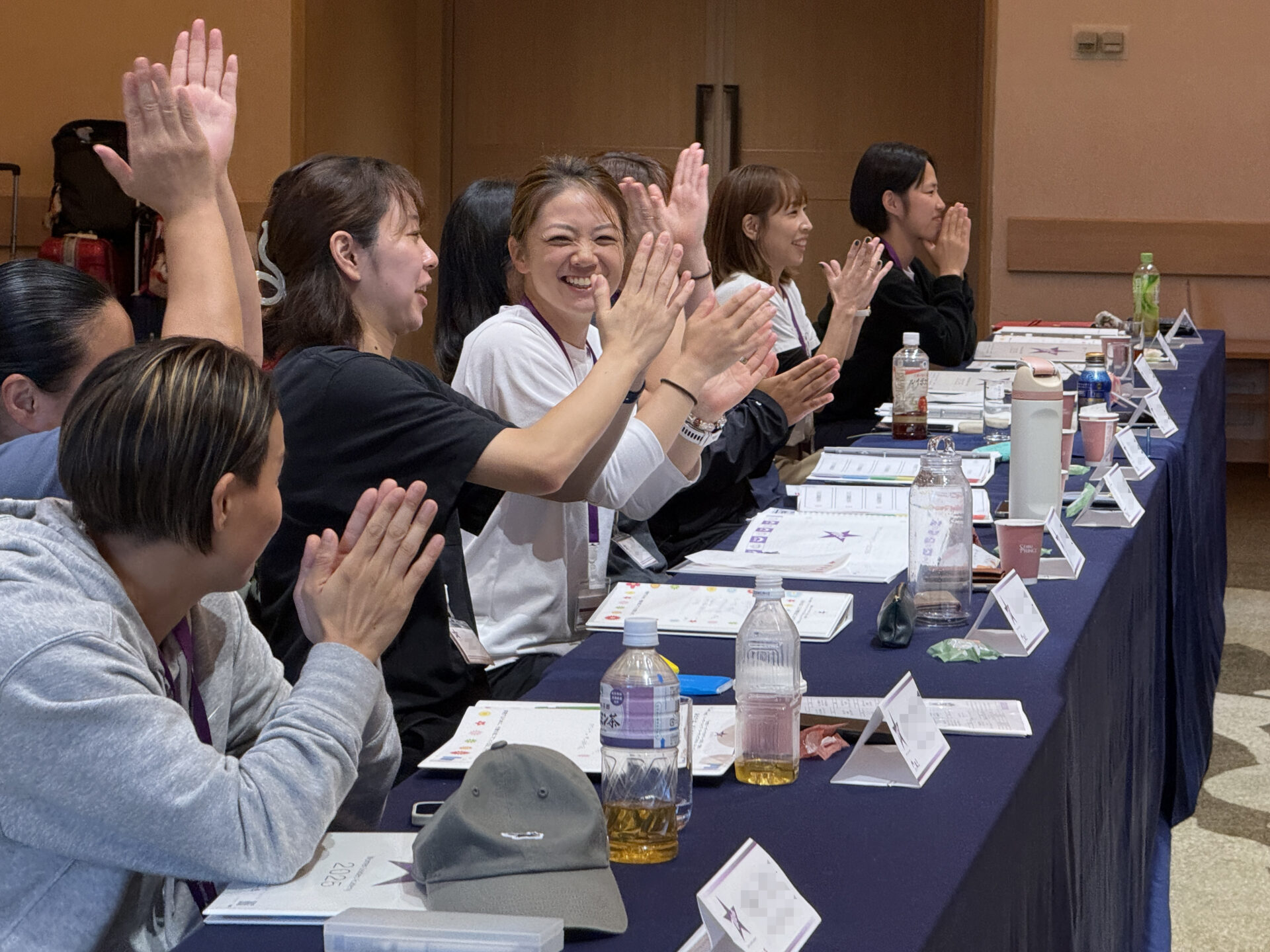
Ms. Kobayashi encouraged them with the message, “The moment you put something into words, your action begins,” empowering participants as they set their resolutions. She concluded by reaffirming the importance of sustaining action through mutual support and strengthening the network formed through WCA. With warm applause filling the room, the three-day program came to a powerful close.
Ms. Kobayashi encouraged them with the message, “The moment you put something into words, your action begins,” empowering participants as they set their resolutions. She concluded by reaffirming the importance of sustaining action through mutual support and strengthening the network formed through WCA. With warm applause filling the room, the three-day program came to a powerful close.

16Closing Ceremony
Leaders shaping the future
New challenges begin now for the WCA 11th graduates
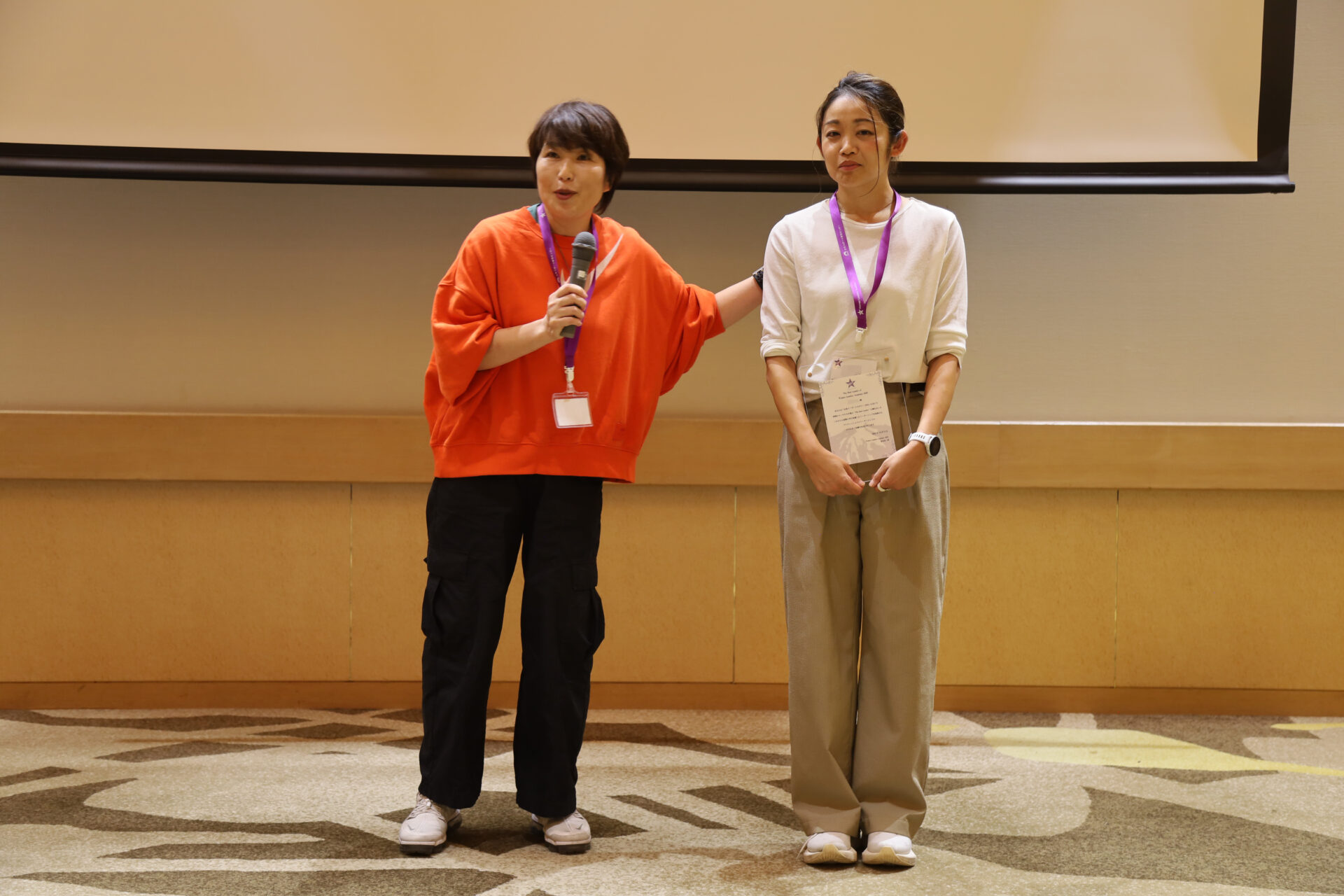
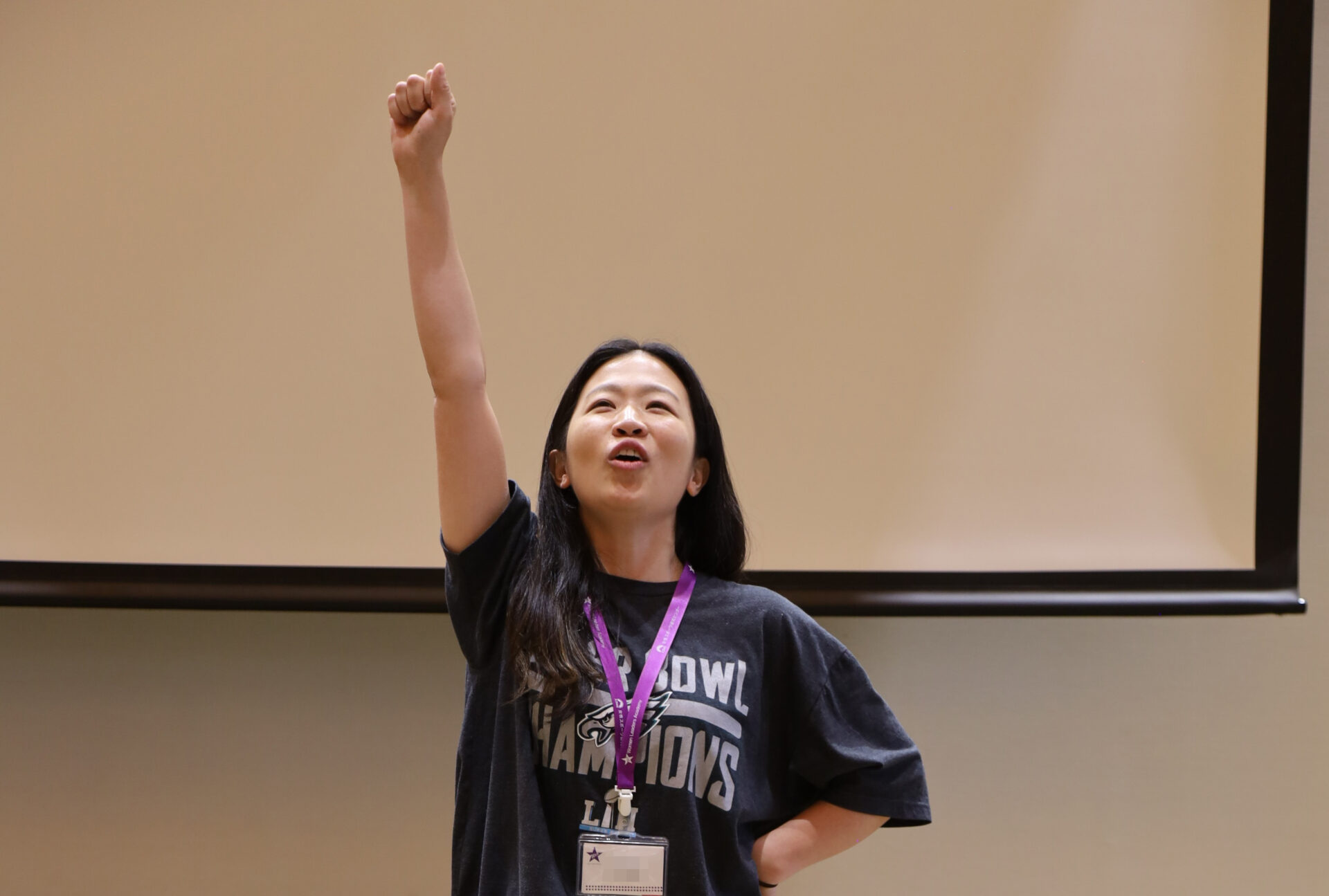
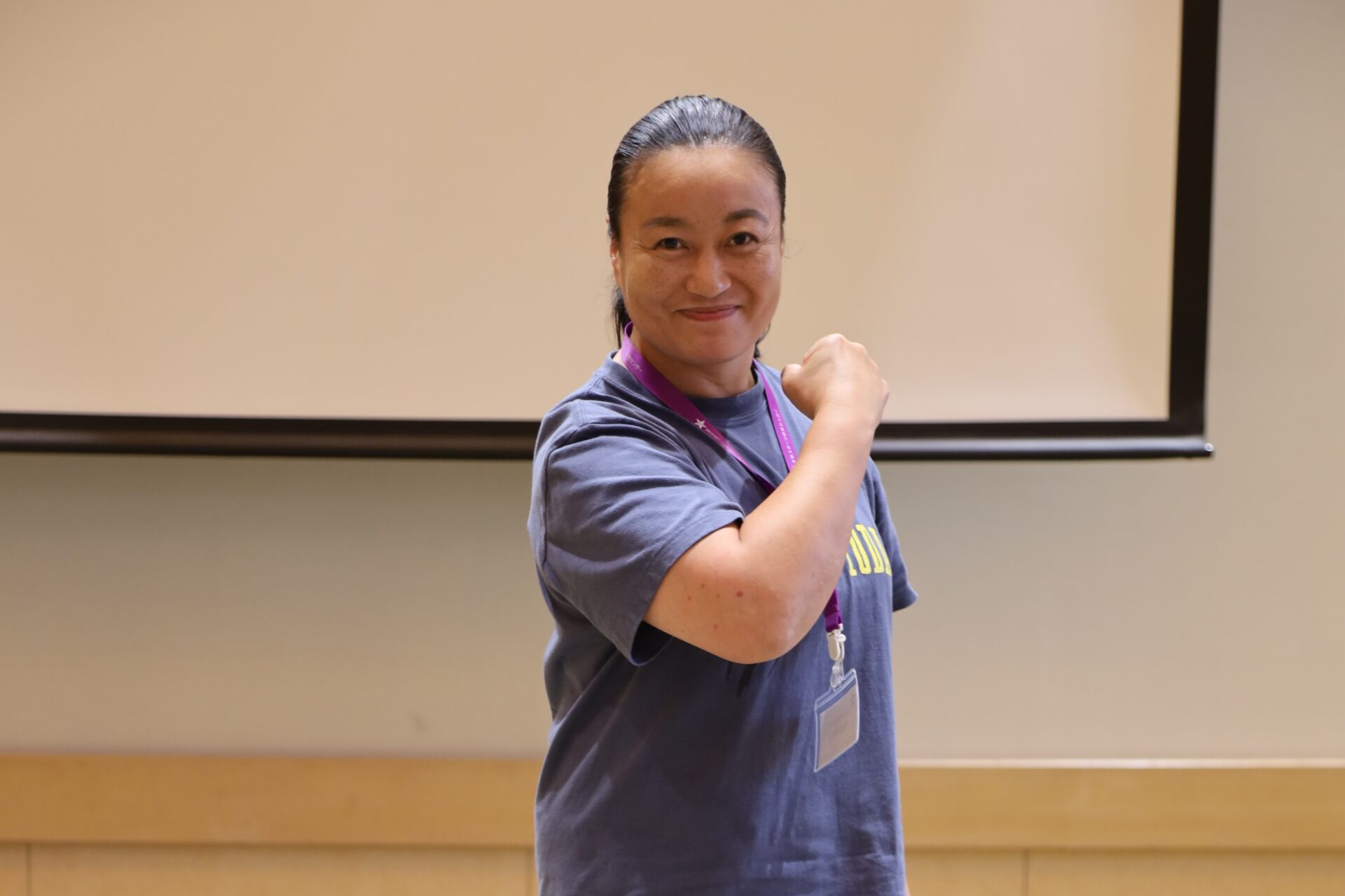
The closing ceremony marked the culmination of the three days and featured the announcement of the “Best Leader Award,” presented to Ms. Yoko Inoue. She was selected with strong support from her peers, in recognition of her “insightful contributions grounded in knowledge and experience,” “ability to translate ideas into action,” and “leadership that brings others along.” Upon receiving the commemorative plaque from Professor Koikawa, Ms. Inoue shared her determination: “I want to energize Japan’s sport culture through the synergy of collaborative impact.” Her words were met with warm, enthusiastic applause.
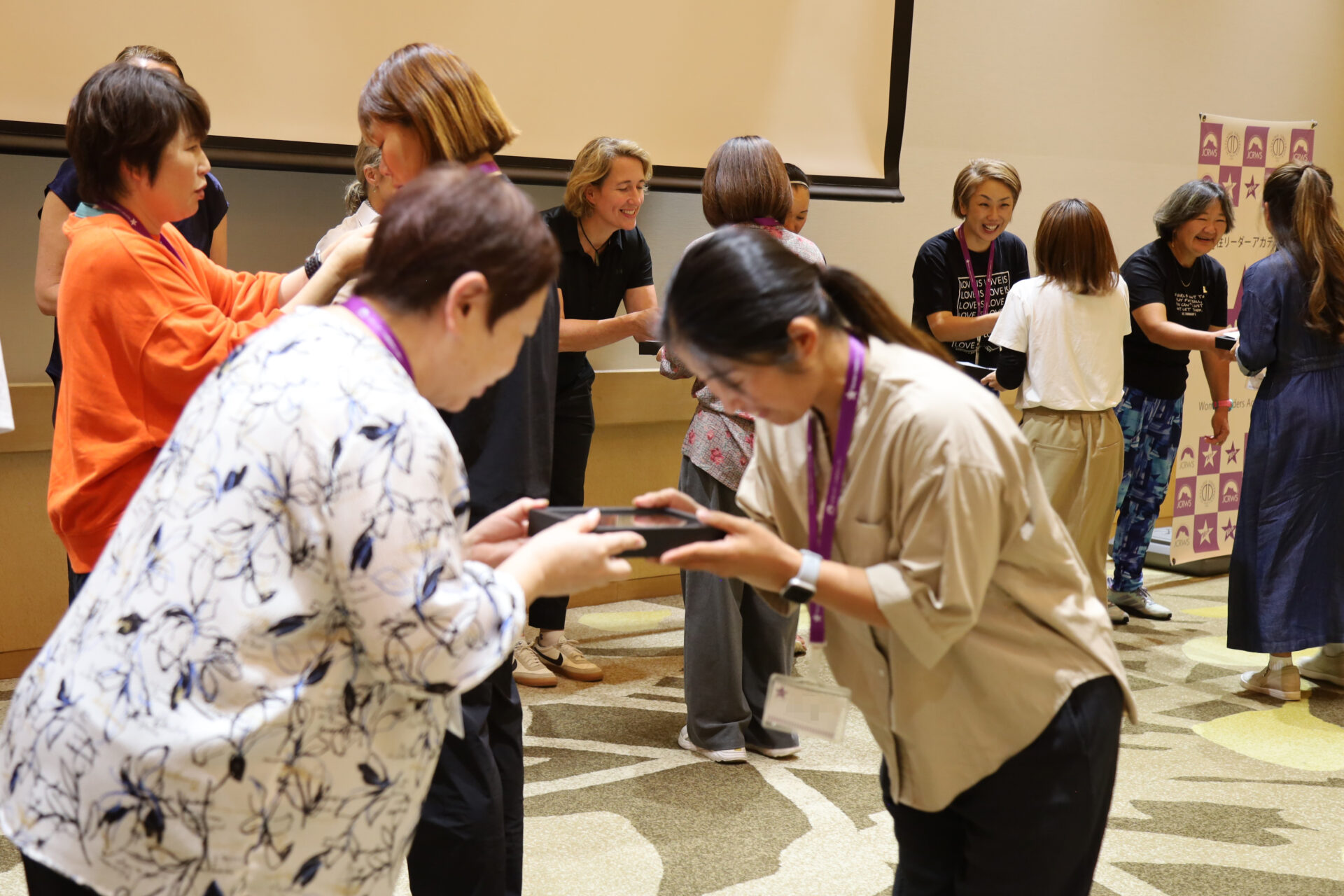
Following the award presentation, the lecturers delivered heartfelt messages to each participant, after which Dr. Ogasawara presented certificates of completion to all who successfully completed the full WCA program.
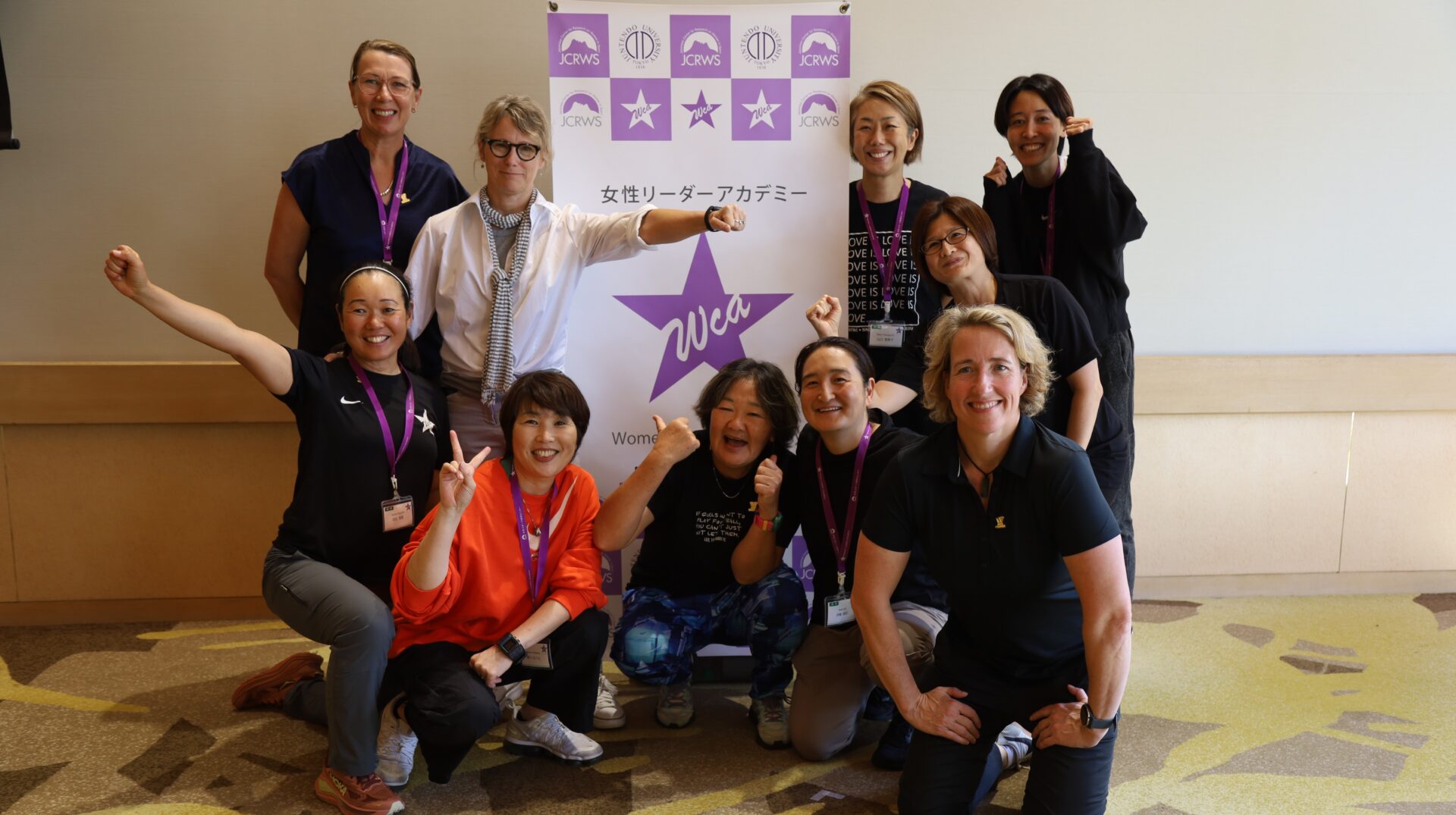
In her closing remarks, Dr. Ogasawara encouraged the graduates as they take on new challenges in their respective fields, saying:“ When 335 shining stars come together, something remarkable will undoubtedly emerge. At the same time, it is important not to carry everything alone. Share your aspirations, expand the circle of people who will walk alongside you, and continue moving forward while evolving together. As leaders, grow with your peers and embrace the sense of empowerment that comes from creating impact.” Surrounded by warm applause and bright smiles, the 11th WCA graduates took their first steps toward new challenges, beginning their journey as leaders who will help shape the future.
To date, eleven WCA cohorts have produced a total of 335 graduates. Beyond the connections formed within each cohort, graduates are now beginning to collaborate across regions, sport disciplines, and professional fields, with many of these collaborations gradually taking shape.